
Charred vs. Burned: What’s the Difference?
Why One Tastes Amazing and the Other Ruins Your Food
If you cook with live fire long enough, at some point you’re going to hear it: “That’s burnt.”
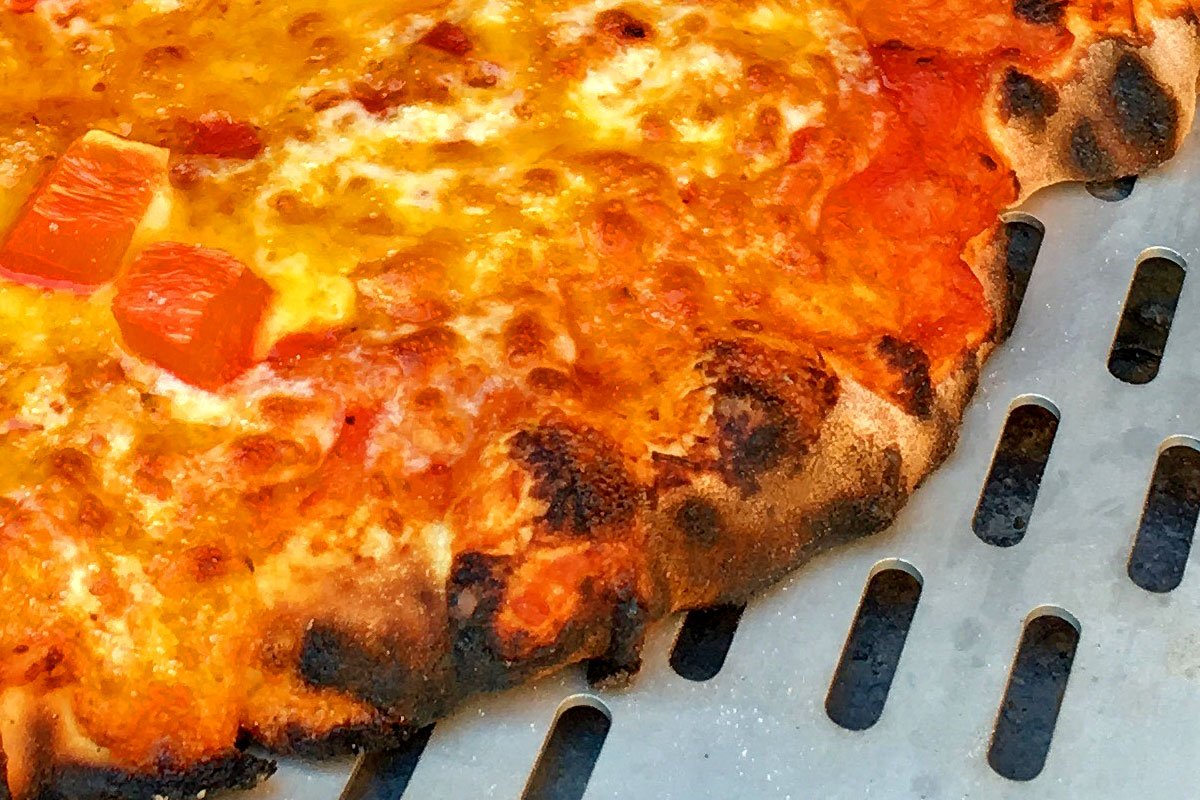
It happens almost every time I pull a Neapolitan pizza from the brick oven for someone new — blistered crust, leopard‑spotted edges, blackened bubbles... To the untrained eye, it looks scorched. To anyone who knows live‑fire cooking, it’s perfection.
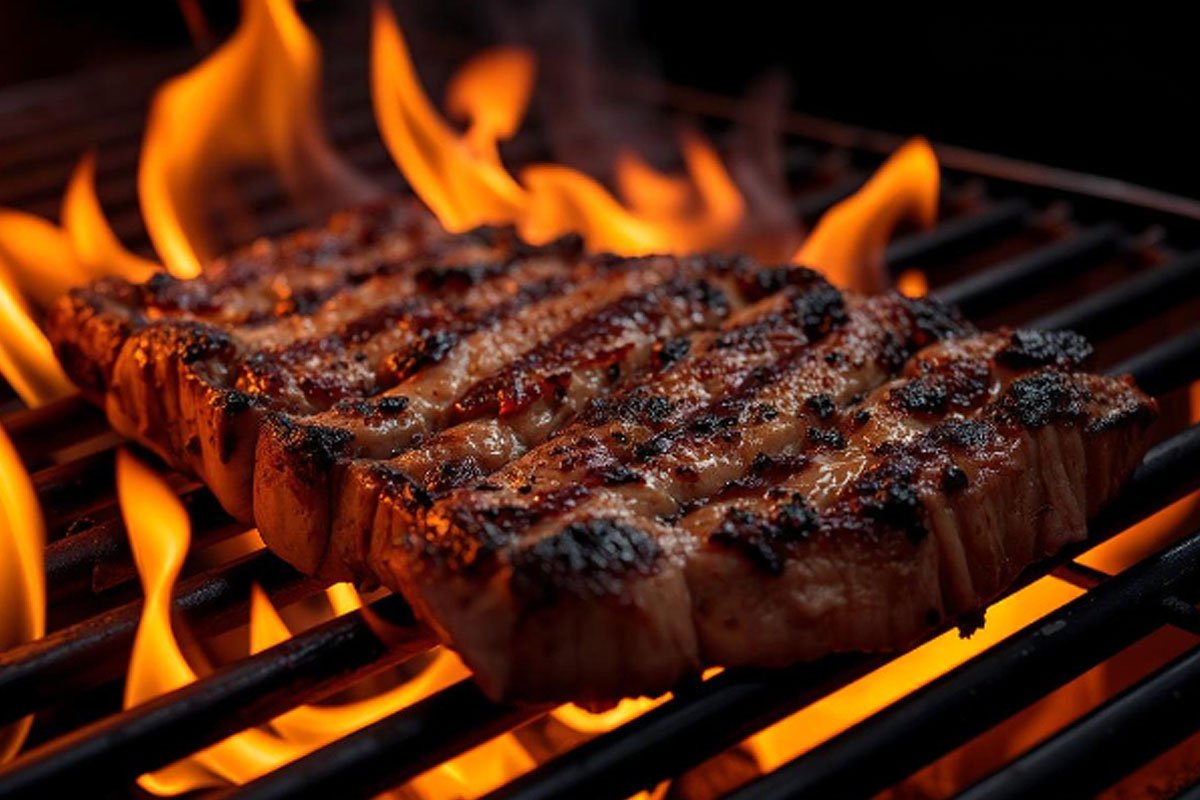
The same goes for a steak with a deep, crackling crust or a grilled chicken breast with blackened, caramelized BBQ sauce. People love that flavour — even if they don’t always understand what they’re looking at.
So let’s clear it up once and for all: Good char is intentional. Burned food is accidental. And the difference between the two is the difference between grilling magic and disappointment.
What is Good Char?
A definition of good char for me is that it’s the result of controlled, high‑heat cooking that creates:
caramelization
smoky, complex flavour
texture that crackles and melts at the same time
Controlled is the key word here. It’s the blackened bubbles on a Neapolitan pizza crust, or the crust on a ribeye steak that tastes like roasted beef candy. Or maybe the sticky (almost lacquered) edges of BBQ sauce that turn almost black, but never bitter (a guest favourite at my place).
Good char is flavour.
It’s what happens when heat, time, and technique meet with perfect intention. Your intention.
What Does “Burned” Actually Mean?
Burned food is what happens when you go past the point of flavour development and into the dark and dreary land of:
bitterness
acrid smoke
dryness
carbonized sugars
unpleasant texture
Burning is not a technique. It’s a mistake — usually caused by too much heat for too long, or not pulling the food at the right moment.
Burned food tastes harsh and one‑dimensional, whereas charred food tastes layered, smoky, sweet, and savoury.
Why People Confuse Charred and Burned
It’s not hard to understand why your guests may think your perfectly-cooked charred dish is burned. It’s probably because most home cooks grew up with dishes that were cooked on gas grills or low‑heat ovens by cooks who were scared of blackened edges because the idea was that black equals bad (i.e. burned).
So when your guests see a pizza crust with leopard spots, or a steak with a dark crust, they assume something went wrong. There you are marvelling at your perfection and they’re thinking you don’t know what you’re doing.
This is the opportunity for a little polite, subtle and informative education (you can flex your cooking knowledge here).
In live‑fire cooking — especially charcoal and wood‑fired cooking — black isn’t a warning sign. It’s a flavour signal.
Neapolitan pizza is supposed to have black spots. A steak is supposed to have a dark crust. BBQ sauce is supposed to caramelize until it’s nearly black.
This is the heart of live-fire cooking. And yes, getting it right with consistency is an art that requires skill and practice. Fortunately for you and your guests, the proof and validation come with that first bite.
The Moment Char Becomes Burned
However, it’s not all tasty deliciousness in the land of perfect char, because there is one important truth that you need to respect if you’re working on getting that perfect char for the first time: The line between char and burnt is razor‑thin.
That’s why live‑fire cooking is a skill, not a button you press.
The key to perfect char is learning to recognize the exact moment when:
sugars have caramelized
proteins have browned
smoke has kissed the surface
the crust has formed
and then pulling the food (or moving it to an indirect zone) before those things push your food into the land of bitterness (i.e. it starts to burn).
This is where experience matters. This is where you will develop an intuition based on learning and repetition. This is where the Northern Barbecue™ Method shines — because it teaches you how to read heat, not just follow a recipe.
Examples of Good Char vs. Burned
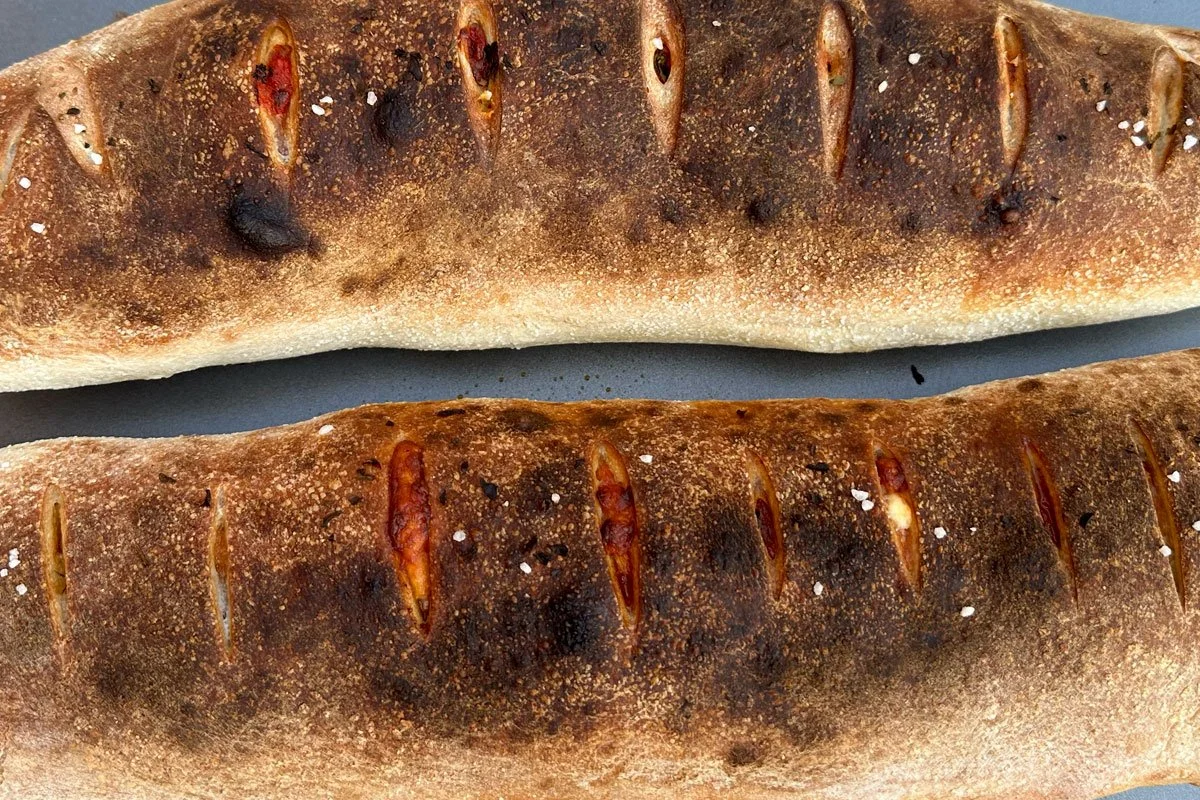
Neapolitan Pizza
Good char: black bubbles, leopard spots, blistered edges
Burned: crust is uniformly black, dry, and brittle (including a blackened bottom) and has an acrid burned taste and smell
Steak
Good char: deep brown‑black crust, juicy interior
Burned: surface is ashy, bitter, and flakes off
BBQ Chicken
Good char: dark, sticky, caramelized sauce
Burned: sauce turns chalky, bitter, and hard (if it turns hard, you are way too far gone)
Vegetables
Good char: smoky edges, sweet interior
Burned: shriveled, dry, and acrid
Can You Get Char Without a Grill? Yes — But it’s Not Barbecue.
Char itself isn’t restricted to hardwood heat. You can absolutely create a beautiful char/crust in a cast‑iron pan with butter. In fact, many restaurant steaks rely on pan‑searing to build a deep, flavourful crust. That char comes from the same reactions (Maillard browning and caramelization) that you get over charcoal or wood. In fact, the char on a steak from a pan will generally be more uniform (because of the flat, even surface of a pan).
But pan char isn’t barbecue, and it isn’t grilling. It’s a different technique with a different heat source and a different flavour profile. Live‑fire char has smoke, radiant heat, and flame interaction that a pan simply can’t offer (even though pan char is very tasty).
Why Charcoal and Wood Make Better Char
Charcoal and wood-burning cooking creates a better (or at least a more flavourful) char for a few key reasons:
higher heat
more radiant energy
more complex smoke
faster browning
deeper flavour
Gas and electric rigs aren’t good at these things. They can cook food, infrared can give you some char, but they can’t create the same kind of flavourful char as hardwood lump charcoal or wood fire. Sometimes you’ll see cooks use a torch to char something. That is usually more for aesthetics than anything else (no wood flavour there), because it’s the same kind of char you get from a gas grill flame.
This is one reason the Northern Barbecue™ Method requires charcoal or wood. You need real fire to learn real fire cooking (and to get real char).
How to Get Good Char Without Burning Your Food
This is what everyone wants to know.
In addition to practice makes perfect (burning is learning), here are a few basic principles to keep in mind when you’re working on your techniques to get that perfect char (and not go too far):
1. Use high heat — but not for longer than needed
Char happens fast. Burning happens when you leave something for too long.
2. Watch the edges
Edges burn first, so they are your early warning system. When the edges darken, you’re close.
3. Listen for the sizzle
For something like a steak, a steady sizzle is a good sound. A harsh crackle sound is a warning that you’re approaching the danger zone (or possibly already there).
4. Move the food, don’t abandon it
Char is active cooking. You are part of the process. So keep engaged and don’t get lost chatting with friends or going for another beverage (especially when you’re right on the cusp of that char).
5. Trust your nose
Char smells sweet and smoky. Burning smells sharp and acrid. Once you smell the difference, you’ll know the warning sign of something about to cross into the burn zone.
So the next time you’re trying to get that perfect tasty char on whatever dish you’re cooking, remember that you are, in fact, playing with fire. So pay close attention and know when to pull your prized dish away from the heat.
By BBQ Chef Mike Belobradic
Founder of the Northern Barbecue™ Method of live-fire cooking courses.
FAQ: Charred vs. Burned Food
Is char the same as burned food?
No. Char is intentional browning and caramelization that adds flavour. Burnt food is overcooked, bitter, and unpleasant (usually beyond saving).
Why is Neapolitan pizza black on the edges?
Those black spots are called “leopard spotting,” and they’re essential to the flavour and texture of true Neapolitan pizza. They’re not burned, they’re part of the style.
Is it safe to eat charred food?
Moderate char from proper cooking is normal and safe. Burned, carbonized food is not desirable and should be avoided.
Why does char taste good?
Char develops from the Maillard reaction and caramelization, creating deep, complex flavours you can’t get from low heat cooking.
How do I avoid burning food on a grill?
Use high heat briefly, watch the edges, move the food as needed, and pull it the moment the char looks and smells right. This is why cooks will often set-up direct and indirect cooking zones on a live-fire grill.
Can I get good char on a gas grill?
You can get some browning (and some char if you have infrared), but true char — the kind you see on pizza, grilled steak, and BBQ — requires charcoal or wood for the best results, because these chars have an added flavour profile that gas cannot deliver.