Global Grilling Techniques & Live-Fire Skills
Grilling is often treated as a casual cooking style, but across cultures it represents one of the most refined forms of fire technique.
From street vendors to ceremonial feasts, grilling combines timing, positioning, and surface control to create fast, expressive cooking that rewards attention and precision.
Direct vs. Indirect Grilling

At the core of grilling is the relationship between food and heat.
Direct cooking places food over the heat source for fast, high-energy cooking.
Indirect cooking uses surrounding heat for slower, controlled exposure.
Mastering when to use each — and how to move between them — allows cooks to handle everything from thin skewers to large, bone-in cuts.
Read more about how to control temperature on a charcoal grill.
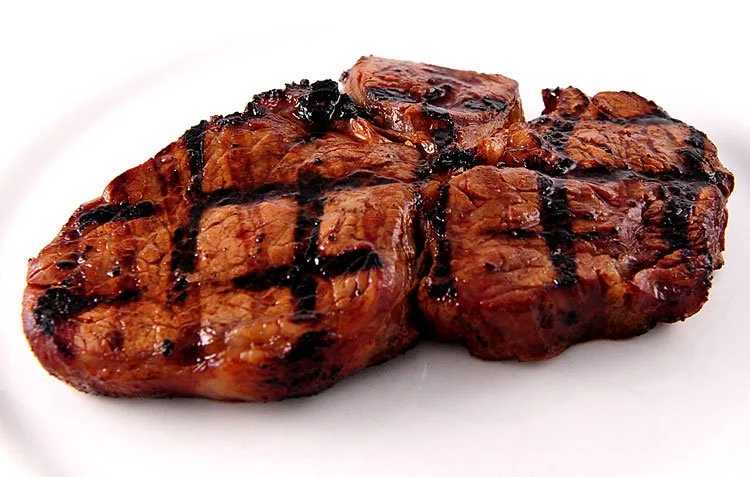
See these techniques in action in my post on how to grill a perfect steak over charcoal.
Grilling Tools & Surfaces
The cooking surface shapes technique.
Grates emphasize searing and airflow
Skewers allow vertical and rotational control
Baskets manage small or delicate items
Flat surfaces create contact cooking and caramelization
Different cultures design tools to match their ingredients, shaping how food interacts with fire.
Global Grilling Styles
Grilling appears in nearly every cuisine:
Yakitori in Japan
Churrasco in Brazil
Satay across Southeast Asia
Braai in Southern Africa
Kebabs throughout the Middle East and Mediterranean
These traditions demonstrate how marinades, cuts, and fire placement evolve together.
Tools, Gear & Adaptation

Rather than focusing on brand-specific equipment, the Northern Barbecue™ Method teaches cooks to evaluate:
Heat control capability
Airflow design
Surface versatility
Fuel compatibility
This approach allows skill to transfer between backyard grills, professional setups, and open-fire environments.
Grilling in the Northern Barbecue™ Method
Grilling is taught as a precision discipline, not just a fast cooking method. You will learn to:
Read surface heat through visual and tactile cues
Control doneness through positioning rather than timers
Adjust technique for different proteins, cuts, and cultural styles
The goal is to build adaptable grilling skill that works anywhere fire exists. Learn more about the Foundations in Fire barbecue course.