
How to Control Temperature on a Charcoal Grill (with Confidence)
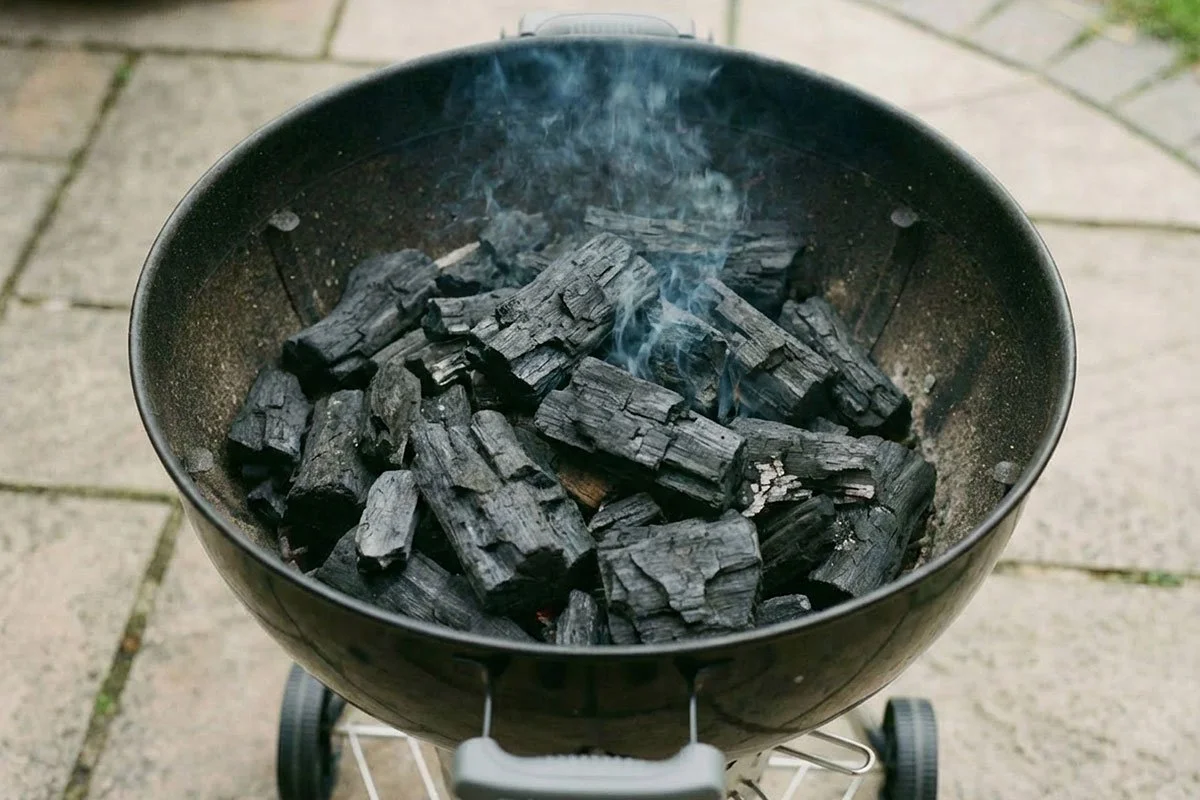
No dials, buttons or knobs. Just fire that responds to oxygen, structure, and restraint.
One of the most common frustrations I hear from people who are new to charcoal grilling and smoking has to do with temperature control. Especially when they’re a little ambitious trying to tackle a long cook with with ribs, pulled pork or brisket right off the bat.
“How do I control heat on a charcoal grill?”
“The grill always gets too hot.”
“It won’t stay at 225°F.”
“It spiked out of nowhere.”
All of these are pretty normal questions when you’re brand new to charcoal grilling. The important thing to remember (and the point of this post) is that charcoal grills don’t have temperature problems: they have airflow and fuel-management problems.
The good part is that once you understand how combustion works, temperature on a charcoal grill stops feeling unpredictable and mysterious.
And this applies whether you’re cooking on a kettle, a kamado, a hibachi, or a completely open grill. So let’s get started.
The Only Three Things That Control Charcoal Temperature
Every charcoal fire is managed and controlled by three variables:
Fuel mass (how much charcoal is burning)
Oxygen supply (how much air is reaching it)
Coal structure (how the charcoal is arranged)
That’s it. And luckily, you can control all three of those.
Temperature is simply the output of these three inputs.
This is a core principle that you learn in the Northern Barbecue™ framework and that I often teach during coaching sessions: stop chasing temperature and start managing combustion.
Airflow is Your Temperature Knob
Charcoal burns because oxygen feeds it.
More oxygen = more combustion = more heat.
Less oxygen = slower combustion = lower heat.
On most grills, airflow is controlled by vents (usually a lower vent and an upper vent). Since heat rises, you can guess which way the airflow will go (from the bottom coals, to your food, and out the top).
Let’s look at this with a few popular types of charcoal grills.
Kettle Grills
On a kettle grill (that classic round charcoal grill with a lid), you typically have:
A bottom vent (intake)
A top vent (exhaust)
The bottom vent controls oxygen entry. The top vent controls how quickly air goes out, which influences the flow of heat.
General rule:
Adjust the bottom vent to change the intensity of the coals.
Use the top vent to fine-tune airflow and maintain clean combustion.
Closing both vents chokes the fire (this is bad, unless you’re shutting down for the day). Opening both vents will increase the burn rate and make the grill hotter.
Because hardwood lump charcoal reacts quickly to oxygen changes, small adjustments matter. A lot.
A good lesson to learn early is that you should open and close vents very gradually (in increments) and wait before reacting again. After a few cooks, you’ll start to get a good idea of how your particular grill reacts to vent opening/closing combinations and things will get easier.
Kamado Grills
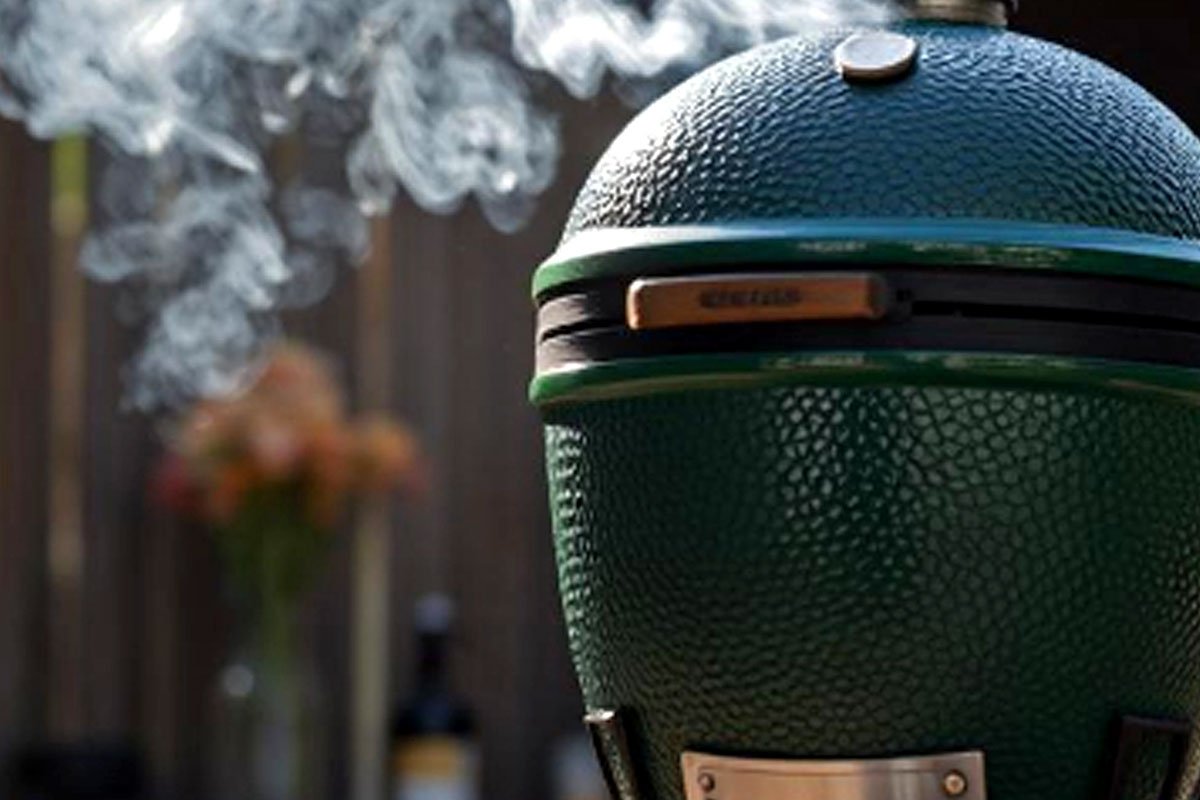
Kamados grills are usually ceramic and highly insulated (there are some metal/steel options out there as well). They are incredibly efficient and flexible heat machines.
That means:
Small vent adjustments cause big changes.
Once stable, they hold temperature very well.
They require restraint to avoid sudden increases (or drops) in temperature.
A lot of people overshoot temperature on a kamado because they light too much charcoal at the start. Or, they leave the vents open and walk away.
With my kamado, I like to start the charcoal inside the unit and let it come up to temp slowly (no charcoal chimney). This gives me more control over landing at the right temp in one go. Beware, though, because a kamado can lull you into not paying attention, because it seems to take forever to get to 250°F or 300°F. But then, just as you turn your back for five minutes, you see the temperature gage rising past 500°F. So always be aware.
With lump charcoal in a kamado:
Light a small area.
Allow the fire to grow gradually.
Stabilize airflow before starting to cook.
If you overshoot your target temperature, it takes longer to bring the temperature back down because the ceramic retains heat.
Kamados reward patience.
Hibachis and Open Grills (No Lid, No Vents)
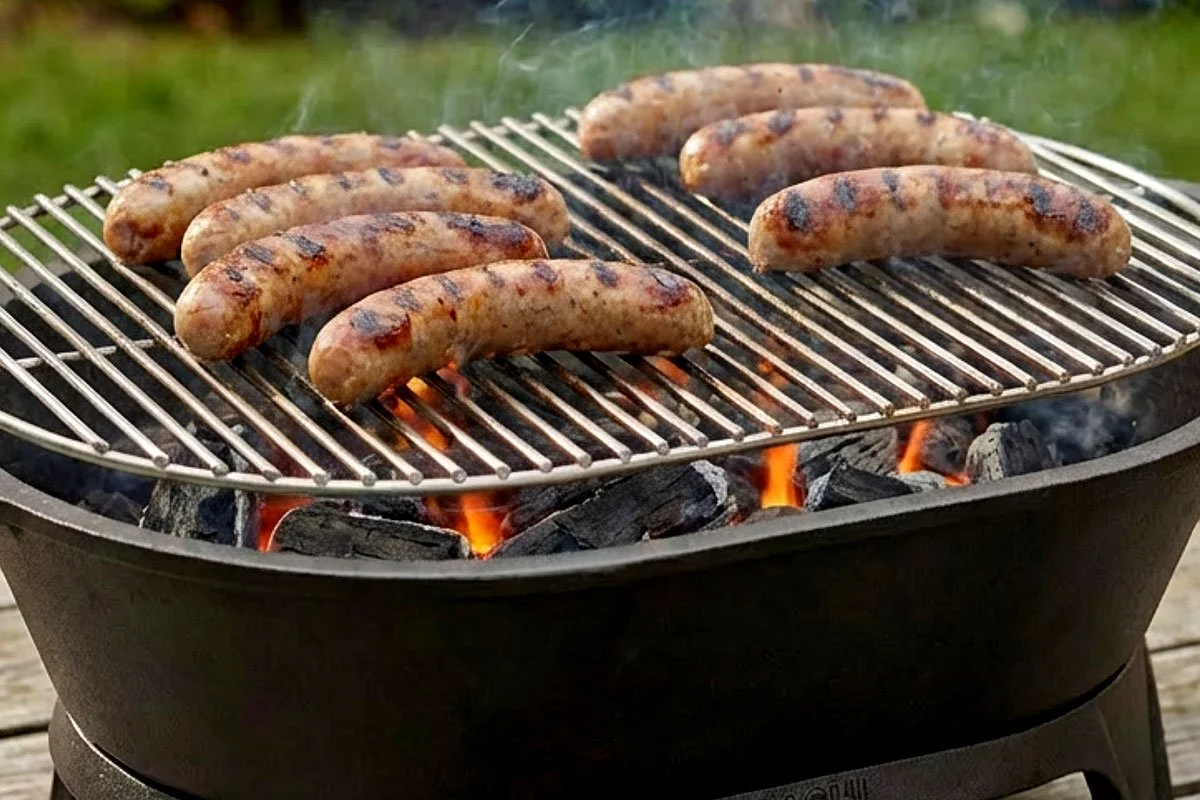
Ah yes, the open charcoal grills. These innocent looking little units are actually the big leagues and it’s where real fire literacy shows up.
When there’s no lid and no vent system, you control temperature by:
Fuel quantity
Coal proximity to food
Coal distribution
Time
With a hibachi or open Argentine-style grill, you can’t choke oxygen. The fire is fully exposed.
So, you now have to manage heat by:
Spreading coals thinner to reduce intensity
Stacking coals to increase intensity
Moving food up/down/sideways instead of adjusting airflow
Allowing coals to mature before cooking
Here, lump charcoal’s responsiveness becomes an advantage. You can shape the coal bed dynamically and see temperature changes more quickly, based on how you tend your coals.
This environment forces you to read the fire directly — visually and physically — instead of relying on a lid thermometer.
The Hand Test: A Simple, Reliable Tool
The hand test is still a staple for open-bed charcoal cooking (like asado). Before digital probes were common, cooks used feel.
The hand test is simple:
Hold your hand a few inches above the cooking grate.
Count how long you can comfortably keep it there.
1–2 seconds = very high heat (searing zone)
3–4 seconds = medium-high
5–6 seconds = medium
7+ seconds = low
It’s not precise in degrees. But it’s very practical in determining how much heat is hitting your protein.
You’re measuring radiant heat — the heat your food actually experiences — not just air temperature under a lid.
This approach really trains instinct, which is why I love it.
And instinct matters when you’re cooking over flame.
Coal Structure: The Hidden Variable
While there can be temperature problems due to bad airflow, it’s not always an airflow issue.
Your coal arrangement is also important. For example, there are a few common setups that people use. Learn these and you’ll be well on your way.
Flat Bed of Charcoal
An even layer of coals means even heat on your grill and food.
Two-Zone Fire
Coals on one side, empty space on the other.
This approach creates:
A direct heat zone and
An indirect heat zone
This is a very common and important structure for temperature control, and one worth learning (consider how you will do this on your specific charcoal grill).
In some cases, like a kamado for example, you could use a heat shield to create the indirect heat.
Stacked / Concentrated Pile
A stacked pile of hot lump charcoal increases intensity for searing.
With lump charcoal, because pieces vary in size, your coal structure directly affects burn speed and heat output. Larger pieces burn longer. Smaller pieces ignite faster.
Managing structure is managing temperature.
Fuel Mass: Don’t Light More Than You Need
Another common mistake that I run into is cooks who light too much charcoal at once.
More lit charcoal = higher maximum potential temperature.
If you’re aiming for 250°F, you don’t need a full chimney fully lit.
This is why I will never use a charcoal chimney for a low and slow cook. Start smaller. Let the fire grow.
As I noted above, in rigs like kamados in particular, controlling the initial ignition size is more effective than trying to dial back a raging fire later.
Managing Lump Charcoal Longevity
Lump charcoal burns hotter and faster than briquettes. That’s part of its appeal — but it requires management.
To extend burn time:
Use larger pieces at the base of your coal bed.
Restrict airflow gradually, not suddenly.
Avoid stirring or moving the charcoal more than needed (or at all, unless necessary for heat distribution) once stabilized.
Close vents fully when your cook is finished to save unburned charcoal for next time.
In efficient grills like kamados, leftover lump can usually be reused. Mix in some new charcoal before lighting it up the next time.
In open grills, managing longevity means learning to add fuel in stages rather than all at once.
Fire control isn’t just about lowering temperature. It’s about pacing how quickly your fuel burns.
Clean Smoke and Stable Heat
Temperature control isn’t only about hitting the target number, it’s also about combustion quality.
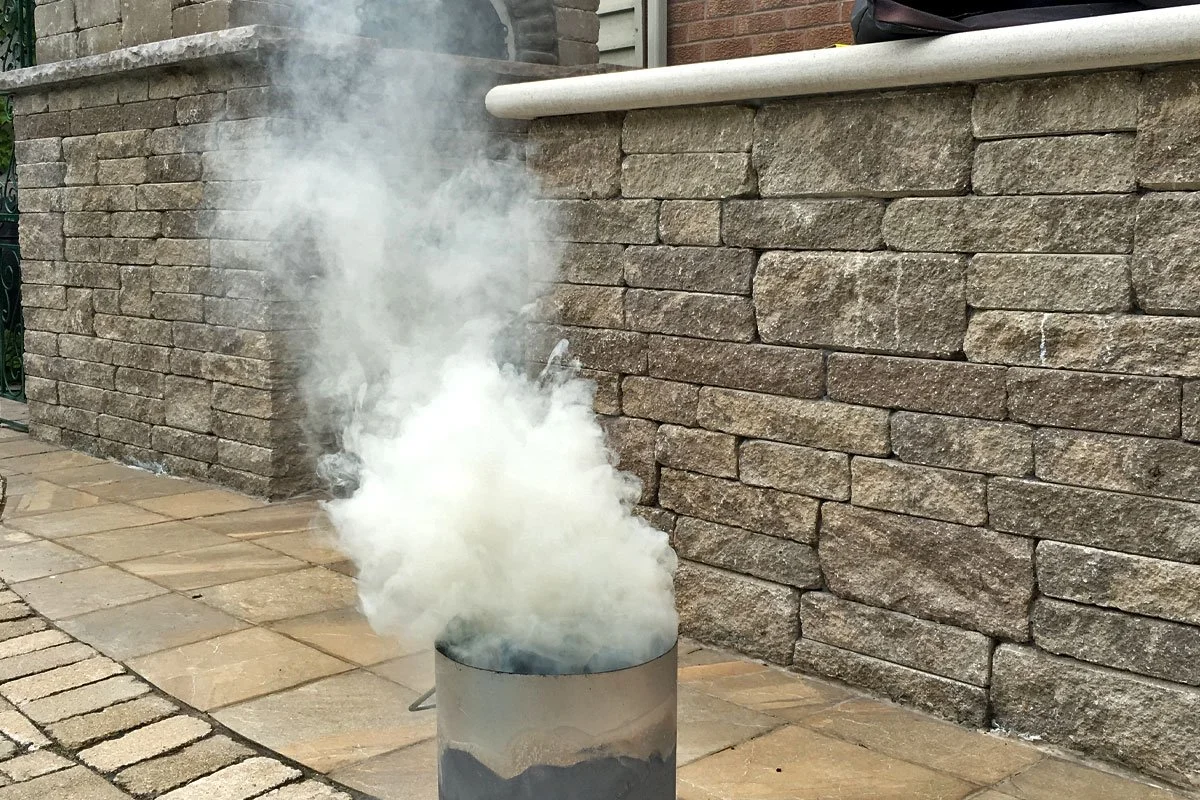
If your smoke is thick and white, your fire isn’t burning cleanly.
Thin (almost invisible) smoke means cleaner combustion. This is your objective.
Adjust your airflow to get to the clean smoke state before you add any food.
Clean combustion produces better flavour and more predictable heat. So it’s a double win worth paying attention to.
Getting Good Cooking with Charcoal Isn’t Hard
Once you understand all of the factors that affect how you cook with charcoal, the whole process becomes a lot easier. When you understand:
Fuel mass
Airflow
Coal structure
you are well on your way to charcoal mastery.
Temperature on a charcoal grill stops feeling mysterious or out of reach. You stop reacting emotionally or in a panic to temperature spikes. You stop chasing only the exact number and consider how to get to that number cleanly.
Doing all of this means that you will be shaping the fire deliberately.
That’s the difference between cooking with charcoal and mastering it.
You Don’t Need Digital Readouts or Knobs to Become a Master
Charcoal grills don’t come with digital dial guaranteed temperatures: they come with their own sense of harsh feedback. You just need to know what signs to watch for and it all becomes so much easier.
If you learn how to read airflow, how to structure your coals intentionally, and respect how lump charcoal behaves, temperature becomes something you influence — not something you fight.
Fire doesn’t respond to dials. It responds to a cook who understands it.
And once you understand it, you’re not just grilling.
You’re managing combustion.
By Mike Belobradic
Creator of the Northern Barbecue™ Method