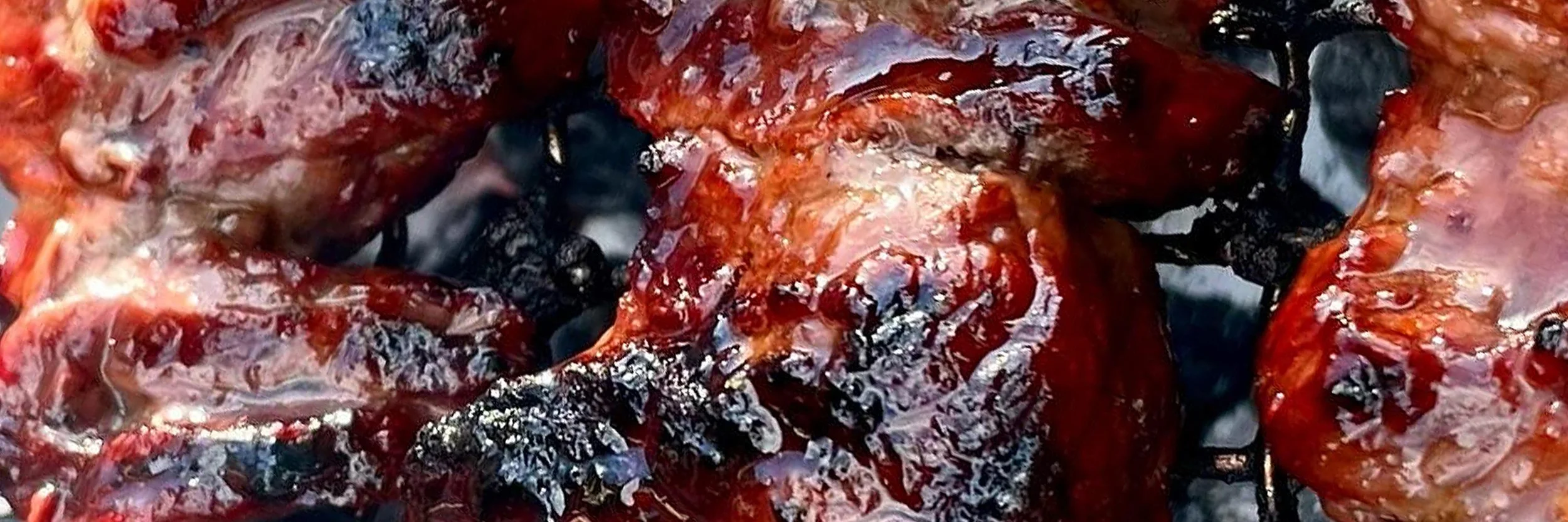
Live-Fire Cooking Principles & Heat Management.
Before recipes, before tools, and before technique, there is fire.
Fire is the original cooking technology, and every grill, smoker, and pit is simply a modern way of shaping flame, heat, and airflow.
The Northern Barbecue™ Method treats fire management as a primary skill, not a background detail.
Fire Management as a Skill

This page explores how cooks around the world build, control and cook with fire — and how those principles translate into practical, repeatable technique.
Fire is not a static heat source: it is a living system shaped by:
Fuel
Oxygen
Space
Time
Learning to manage fire means learning to control rate of burn, heat distribution, and airflow. This skill allows cooks to adapt across charcoal, wood, gas-assisted systems, and open-fire setups.
Heat Zones and Spatial Cooking
One of the most universal fire-cooking principles is zoning.
By creating areas of high heat, moderate heat, and resting space, cooks gain the ability to:
Sear and finish separately
Hold food without overcooking
Move proteins through stages of heat exposure
This principle appears in cultures ranging from Argentine asado to Asian street grilling and traditional pit cooking.
Ember Cooking and Radiant Heat
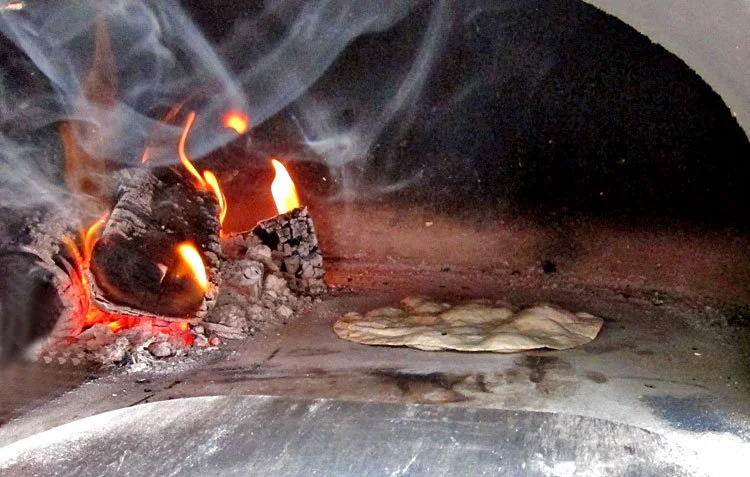
Some of the world’s oldest fire techniques rely on embers rather than flame.
Cooking over glowing coals produces radiant heat, which penetrates food differently than direct flame. This method is used for thing like flatbreads, whole fish, root vegetables, and large cuts of meat across many global traditions.
In the Northern Barbecue™ curriculum, ember cooking is learned as a way to develop heat sensitivity and timing awareness through global dishes that use this type of heat.
Global Fire Traditions
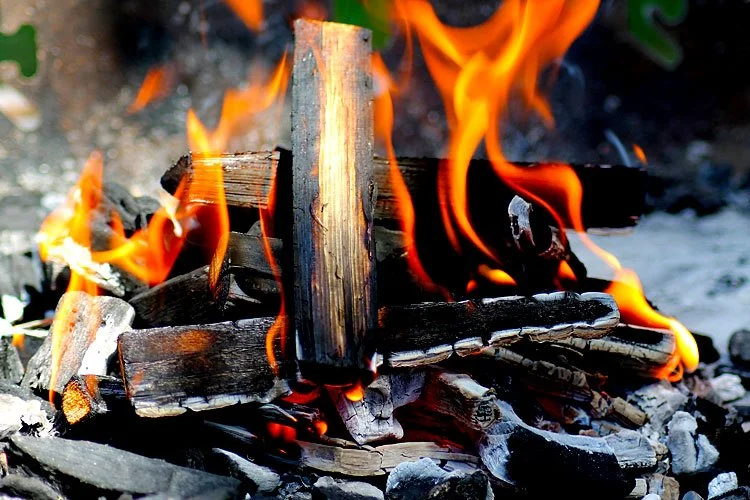
Every culture adapts fire to its environment.
Open pit cooking in Southern Africa
Santa Maria–style grilling in California
Tandoor cooking in South Asia
Plancha and griddle systems in Latin and Mediterranean cuisines
These methods demonstrate how fire shape, airflow, and cooking surface design influence technique.
Level up your live-fire cooking skills with Foundations in Fire.
The Philosophy of Cooking with Fire
Fire cooking is both technical and intuitive.
The Northern Barbecue™ Method emphasizes:
Observation over automation
Adjustment over rigid timing
Understanding heat behavior rather than memorizing temperatures
This philosophy encourages cooks to develop situational awareness, making them more adaptable across equipment, weather, and ingredients.