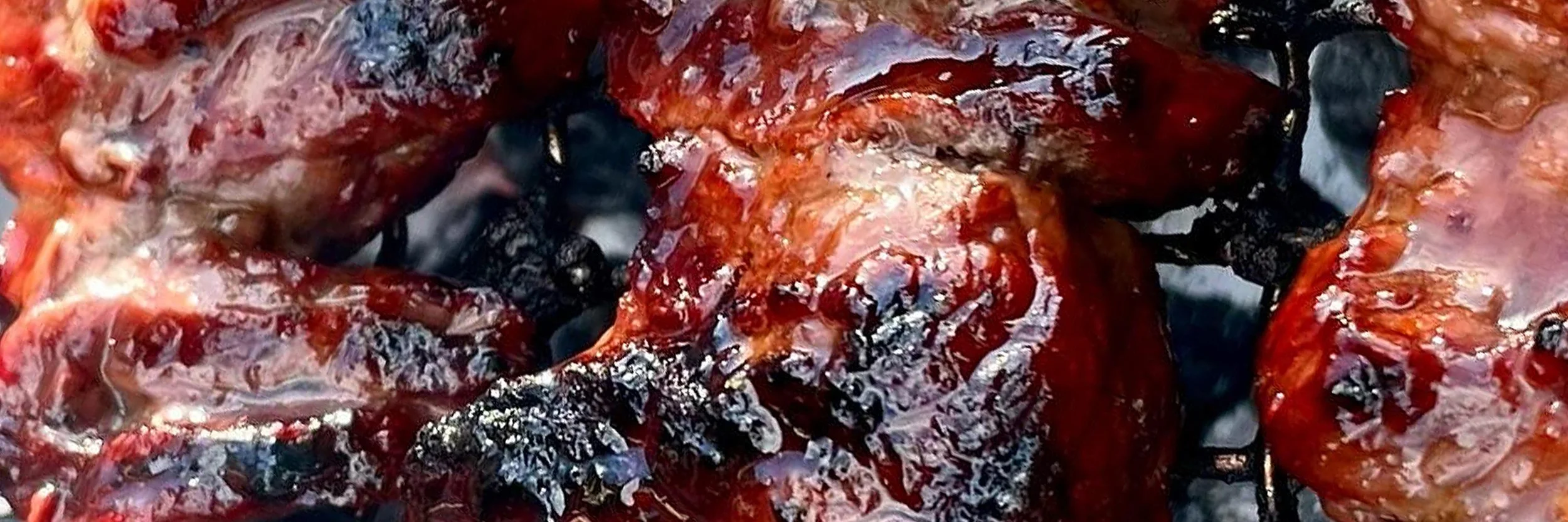
Global Smoking Techniques and the Science of Flavour
Natural Smoke from Real Hardwood
Smoke is one of humanity’s oldest cooking tools and one of its most misunderstood.
The Magic of Hardwood Smoke.

Across cultures, smoke has been used to preserve food, develop flavor, and transform raw ingredients into expressions of place, tradition, and technique.
Within the Northern Barbecue™ Method, smoke is treated as a controlled ingredient, not a background effect. Understanding how smoke behaves, where it comes from, and how it interacts with food is essential for building reliable live-fire skills across any grill, smoker, or open flame set-up.
This page explores the global traditions, technical principles, and scientific foundations that shape how smoke is used in fire cooking around the world.
Global Smoking Traditions
From Arctic fish sheds to tropical pit roasts, smoke appears wherever people cook with fire.
In Northern Europe, cold-smoked fish and meats were developed as preservation techniques for cold climates. In the Caribbean and Central America, smoke became a way to season and protect food in humid environments. Across Asia, tea leaves, rice, and spices are often used as smoking fuels, creating aromatic profiles that differ from Western wood-based smoking traditions.
The Northern Barbecue™ Method treats these traditions as learning models, helping cooks understand how environment, culture, and available fuel shape technique.
Cold Smoking | Hot Smoking
Smoking exists on a temperature spectrum, not a single method.
Cold smoking introduces smoke to food at low temperatures, primarily for flavour and preservation.
Hot smoking combines smoke and heat to cook and season food at the same time.
Understanding this difference allows pitmasters to separate flavour development from heat application, an essential skill for consistent results across different cookers and climates.
Smoke and Wood
Wood Selection as Flavour
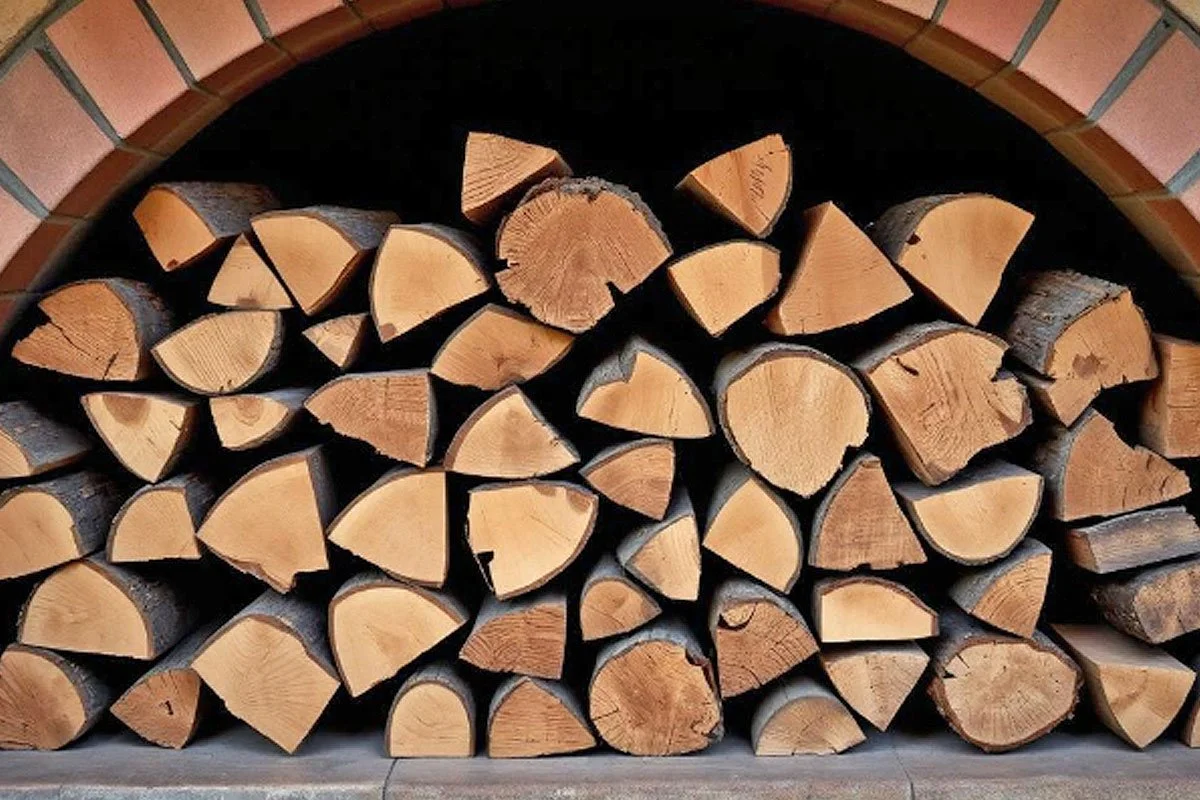
Wood isn’t just fuel — it’s a seasoning.
Hardwoods, fruitwoods, and agricultural byproducts each produce different smoke characteristics. The density of the wood, its moisture content, and how it burns determine whether smoke is clean and aromatic or bitter and heavy.
Within the Northern Barbecue™ Method, wood selection is taught as a flavor-mapping process, connecting fuel choice to protein type, fat content, and cultural flavor profiles.
The Science of Smoke.
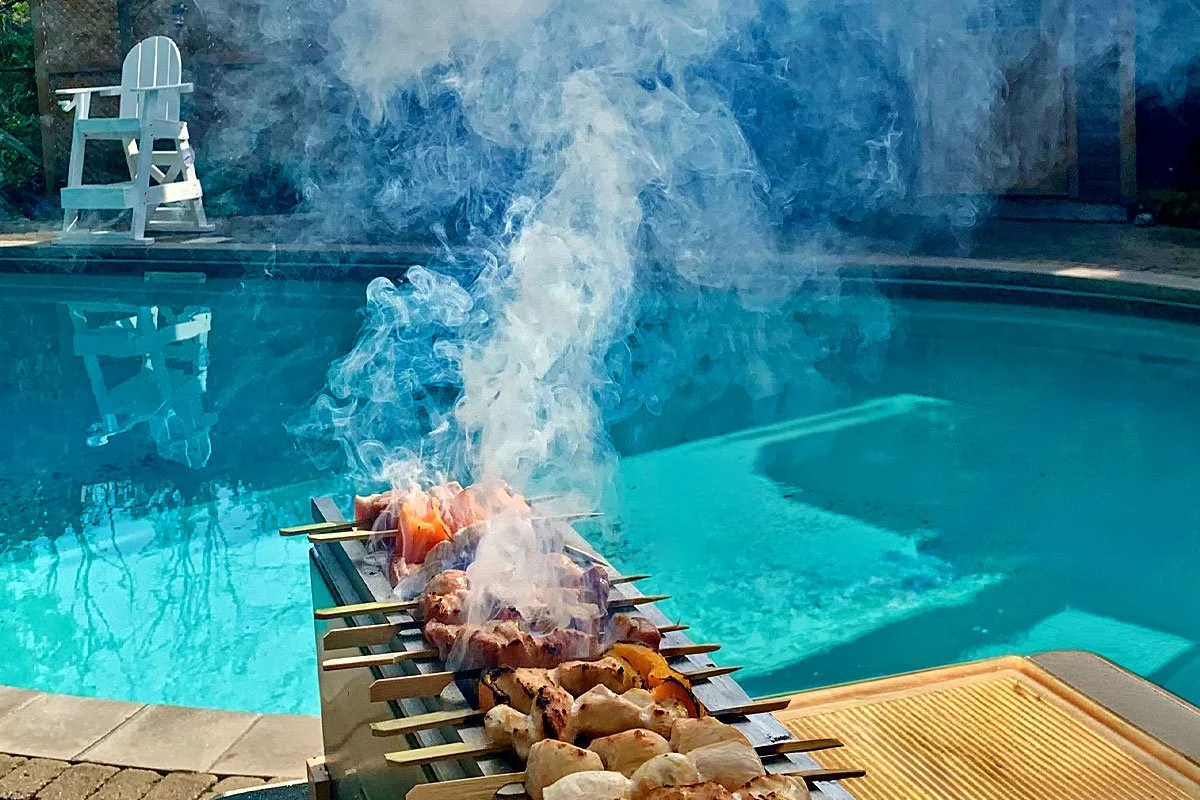
Smoke is a complex mix of gases, water vapor, and microscopic particles produced through combustion.
The quality of smoke depends on:
Oxygen flow
Combustion temperature
Fuel composition
Moisture levels
Clean-burning fires produce thin, lightly colored smoke that enhances food. Incomplete combustion produces heavier compounds that can overpower or damage flavor.
Understanding these principles allows cooks to diagnose their fire visually, rather than relying on timers or guesswork.
Smoke in the Northern Barbecue™ Method.
Within the curriculum, smoke is treated as a foundational skill layer.
Through practical self-guided study, you will learn to:
Read smoke visually and by scent
Control combustion through airflow and fuel management
Pair woods with foods based on flavour logic, not tradition alone
Apply smoking techniques across smokers, grills, and open-fire setups
The goal is not replication of a single regional style, but transferable skill that works in any fire-cooking environment.
Want to level-up your charcoal grilling? Learn more about the Foundations in Fire course.