
The Complete Guide to Smoke in Hardwood Barbecue
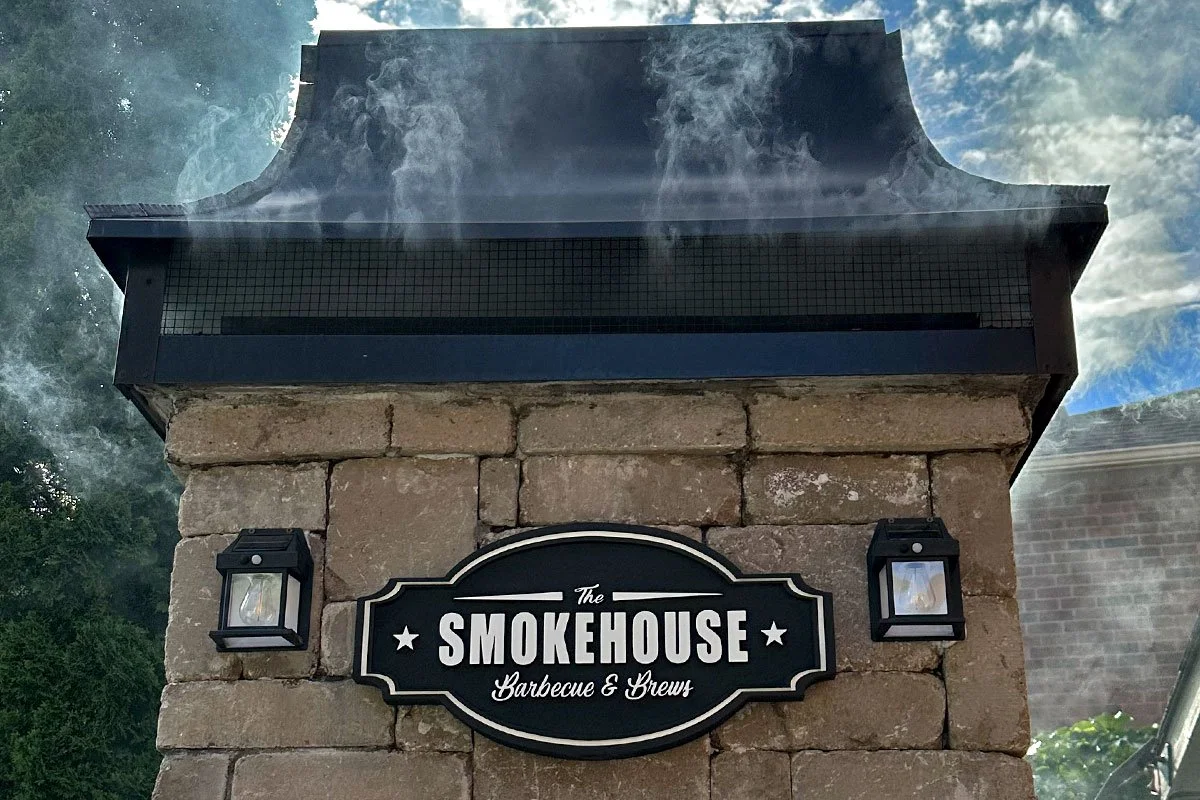
The goal of smoke in live-fire barbecue is clean combustion, characterized by 'thin blue smoke.' This occurs when hardwood reaches pyrolysis (212°F–500°F), releasing flavour compounds like phenols without the bitter creosote found in heavy white smoke.
Smoke is a Flavour, Not a Byproduct
In barbecue, smoke isn’t something that just “happens” when you cook with wood — it’s a deliberate ingredient.
When you cook over real hardwood heat, the fire becomes a source of more seasoning, along with being your heat source (and your source for storytelling). Understanding smoke from a smoker/grill is the difference between food that tastes kissed by fire and food that tastes like a chimney.
This guide breaks down everything you need to know about clean smoke, hardwood combustion, airflow, and flavour — all from the perspective of true live‑fire cooking.
1. What Smoke Actually Is
Smoke is the result of hardwood breaking down under heat. When wood combusts cleanly, it produces:
Heat
Light
A small amount of thin, blue smoke and
Flavour compounds that enhance food
When wood combusts poorly, it produces:
Bitter creosote
Harsh flavours and
Temperature instability
The goal is always clean combustion, not maximum smoke output.
2. The Three Stages of Wood Combustion
Did you know that the smoke coming out of your cooker tells a story?
When you cook with hardwood or lump charcoal, if you pay attention to the smoke that’s rising at any given time, you will notice three distinct stages of smoke.
Understanding these stages helps you control flavour.
Stage 1: Drying (Up to 212°F)
Moisture evaporates. Smoke is white, heavy, and not flavourful.
Stage 2: Pyrolysis (212°F–500°F)
Wood breaks down into gases and vapours. This is where flavour compounds form.
Stage 3: Charcoal Combustion (Above 500°F)
The wood becomes pure carbon and burns cleanly. This is where you get the thin blue smoke.
Your food should only be exposed to smoke from Stages 2 and 3. Leave stage one as a precursor for what’s to come (guests love the smell of smoke in the air).
3. Why Airflow is So Important
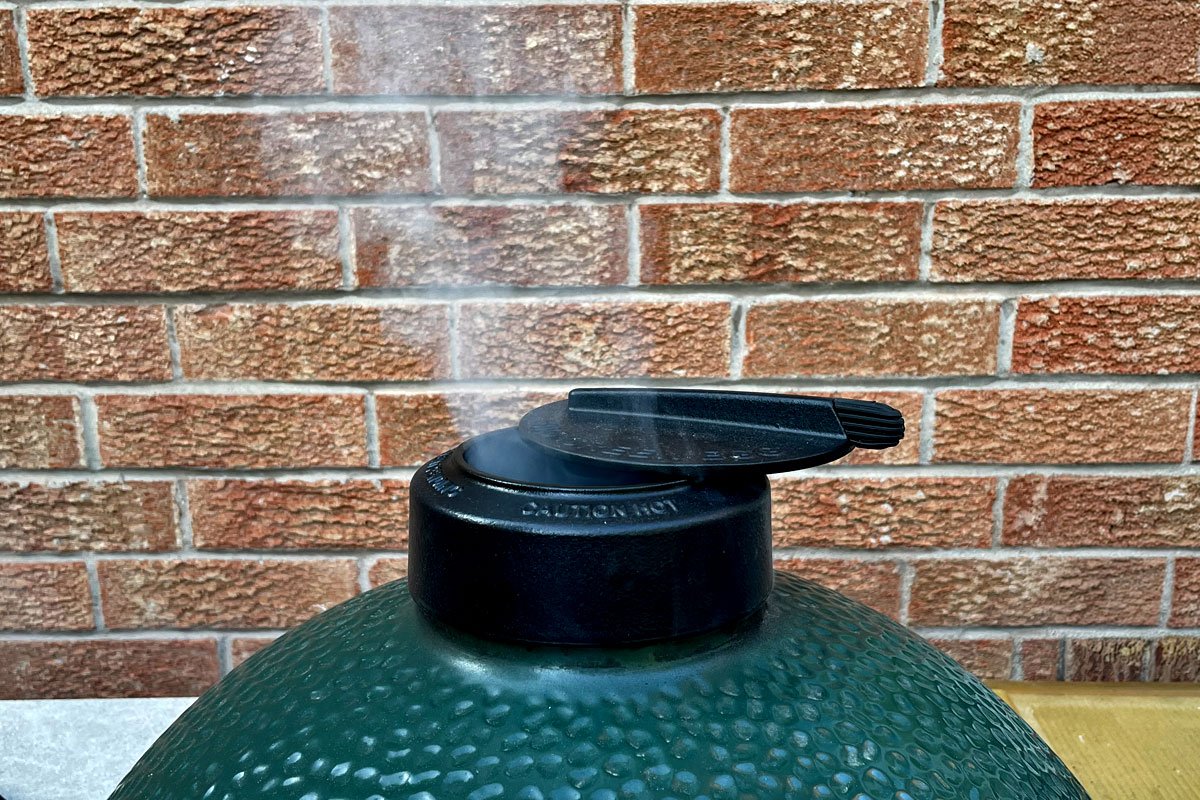
The vents on any smoker play a critical role in smoking success. Airflow determines whether your fire burns clean or dirty.
Too little oxygen: wood smolders → bitter smoke
Too much oxygen: fire burns too hot → smoke flavour loss
Balanced oxygen: clean blue smoke → perfect flavour
Think of airflow as the lungs of your fire. If the fire can breathe, the flavour stays clean.
4. What Clean Smoke Looks Like
Building on the different stages of smoke mentioned earlier, here’s what to watch for.
Clean smoke has several identifiable qualities:
Thin
Almost invisible
Has a faint blue tint and
Smells sweet and woody
Dirty smoke also has some warning signs:
Thick
White or grey
Smells sharp or acrid and
Stings your eyes
Remember: if the smoke hurts your eyes, it will hurt your food.
Wondering if smoke from your smoker should be constant? Read more here.
5. Temperature and Smoke Quality
An important point to know is that hardwood heat behaves differently depending on temperature.
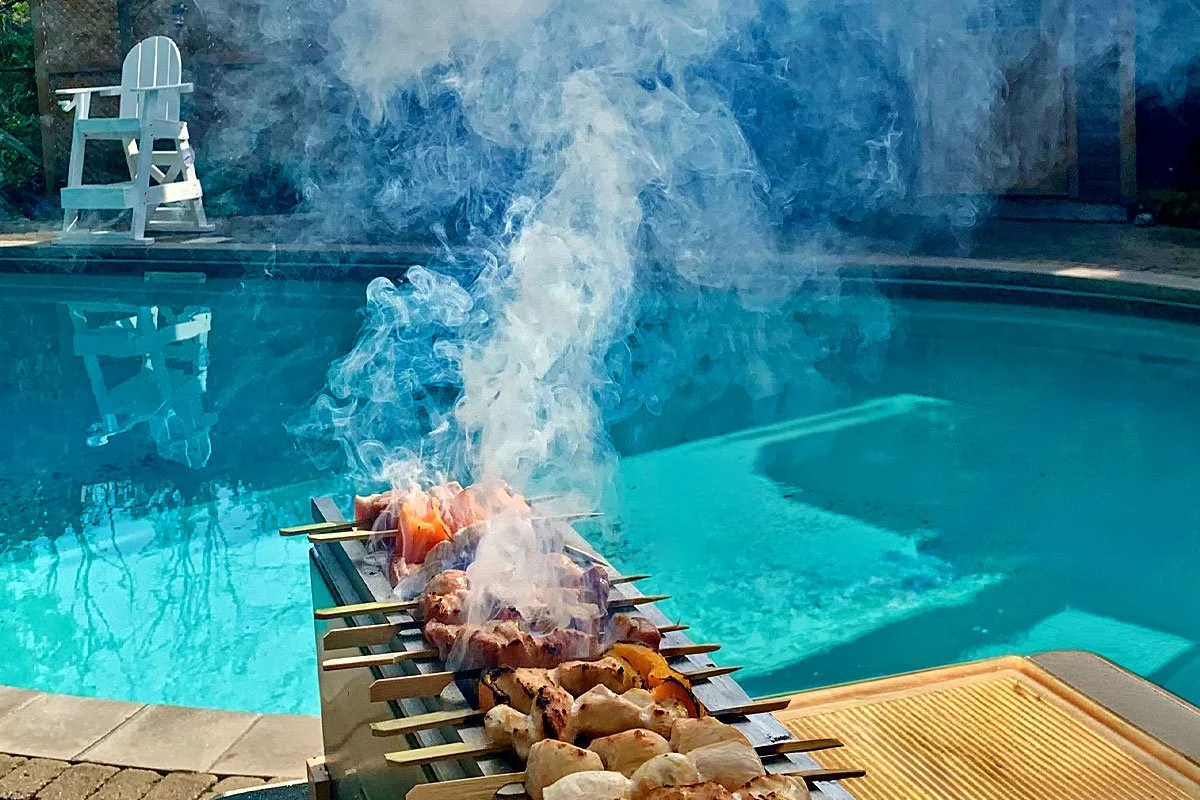
Low temps (225°F–275°F): stable smoke, ideal for long cooks
Medium temps (300°F–375°F): great for poultry and vegetables
High temps (400°F+): minimal smoke, more char, and wood‑fire flavour from the drippings onto the coals
Cold weather affects combustion as well (see 9. below). So, your fire management becomes even more important in northern climates in winter.
6. Choosing the Right Wood for Clean Smoke
Hardwood is the way to go when it comes to cooking with live fire. While many hardwoods are good, they are not all ideal choices.
Some of the best hardwoods for clean, flavourful smoke are:
Oak
Maple
Hickory
Cherry
Apple
Beech
You should avoid the following types of woods when cooking over fire:
Softwoods
Resinous woods
Fresh‑cut (green) wood
Wood with bark full of moisture
Seasoned hardwood (under 20% moisture) is the optimal choice.
Read more about choosing different types of wood for hardwood cooking.
7. How Much Wood to Add — and When
Add wood (or wood chips or chunks if it’s on top of hardwood lump charcoal) in small, frequent splits/amounts, not big dumps.
There are a few reasons why this is important:
Big drops of wood can cool the fire
Cooling creates dirty smoke
Dirty smoke creates bitter food
A well‑run fire is fed like a living thing — gradually, consistently, and respectfully.
If you moisten your woodchips, don’t add as many at one time. Trial and error with your cooker will help you find the sweet spot.
More about how much wood to add to your fire when cooking.
8. How Smoke Flavours Food
Smoke flavour comes from:
Lignin breaking down
Volatile compounds attaching to fat
The Maillard reaction interacting with smoke particles
Fat is the smoke magnet. Lean cuts absorb less smoke. This is why brisket, ribs, and pork shoulder take smoke beautifully. But also beware, because chicken will still take on smoke and you can easily go too far as it is much lighter tasting than red meats. Read more about too much smoke on food.
9. Smoke and Cold‑Weather Cooking
When you want to cook in the winter months (and you live in a cold place where winter can mean snow or freezing temperatures), cold-weather barbecue has its own unique challenges:
Cold air pulls heat from your fire
Wind disrupts airflow
Wood burns differently in freezing temperatures
The solutions:
Preheat longer
Use slightly smaller split wood if you’re using hardwood (it will ignite and burn more quickly)
Keep airflow steady
Shield your fire from wind
Cold weather doesn’t ruin smoke — it just demands more skill and attention.
10. The Enemies of Clean Smoke
Avoid these at all costs:
Wet wood is bad on many levels, avoid it
Choked airflow in your smoker
Overloading the firebox
Starting food too early before the wood or lump charcoal is ready (that big white puffy smoke hasn’t stopped)
Letting ash build up in your cooker
Using wood chunks meant for gas grills (I shouldn’t have to say this one, but, trust me, it’s happened)
Clean smoke is a discipline, not an accident. So practice these common sense solutions to keep the enemies at bay.
11. Troubleshooting Common Smoke Problems
Bitter flavour
Bitter flavour is caused by incomplete combustion.
To avoid this, ensure your smoker vents are open for proper airflow and use seasoned wood, which burns hotter.
Too much smoke
Too much smoke is real and it’s often caused by overloading wood.
To avoid this, add smaller split logs or or use less wood chips. Wait for a clean burn before adding more to the setup.
Read more about how much smoke to have on your food.
No smoke flavour
If you’re aiming for a nice line of blue smoke, or more smoke flavour in your food — but you’re not getting any smoke, then your fire is likely too hot.
To fix this, reduce the airflow slightly, and add wood or wood chips much earlier in the process. I add wood chips at the same time that the food goes on (and do not add more after they burn off).
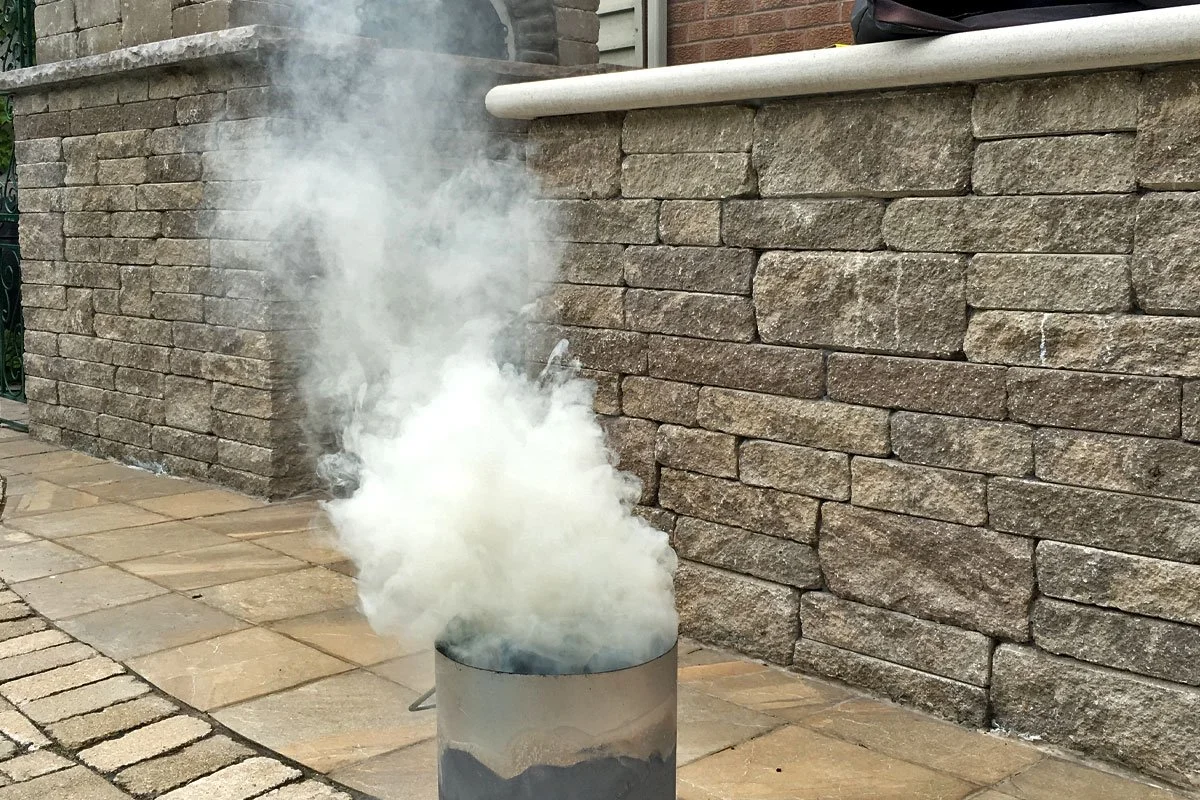
Sooty residue
Sooty residue is caused by a dirty fire. A dirty fire is usually caused by too much ash left over from past cooks.
To avoid this, keep your rig clean and remember to clean out the ash pan/chamber whenever it builds up. This will increase oxygen flow and make for a better heat all around.
12. The Philosophy of Smoke in Northern Barbecue™
Good smoky barbecue isn’t about drowning food in smoke. It’s about honouring hardwood heat. This is a key part of my Northern Barbecue™ approach and the story is the same for live-fire cooking around the globe..
Your fire is your flavour. Your wood is your ingredient. Your smoke is your signature.
When you master smoke, you master live‑fire cooking.
By BBQ Chef Mike Belobradic
Founder, SmokeFireGrill.ca | The Northern Barbecue™ Method