
Does the Type of Wood Really Matter for Smoking, Grilling and Pizza Ovens?
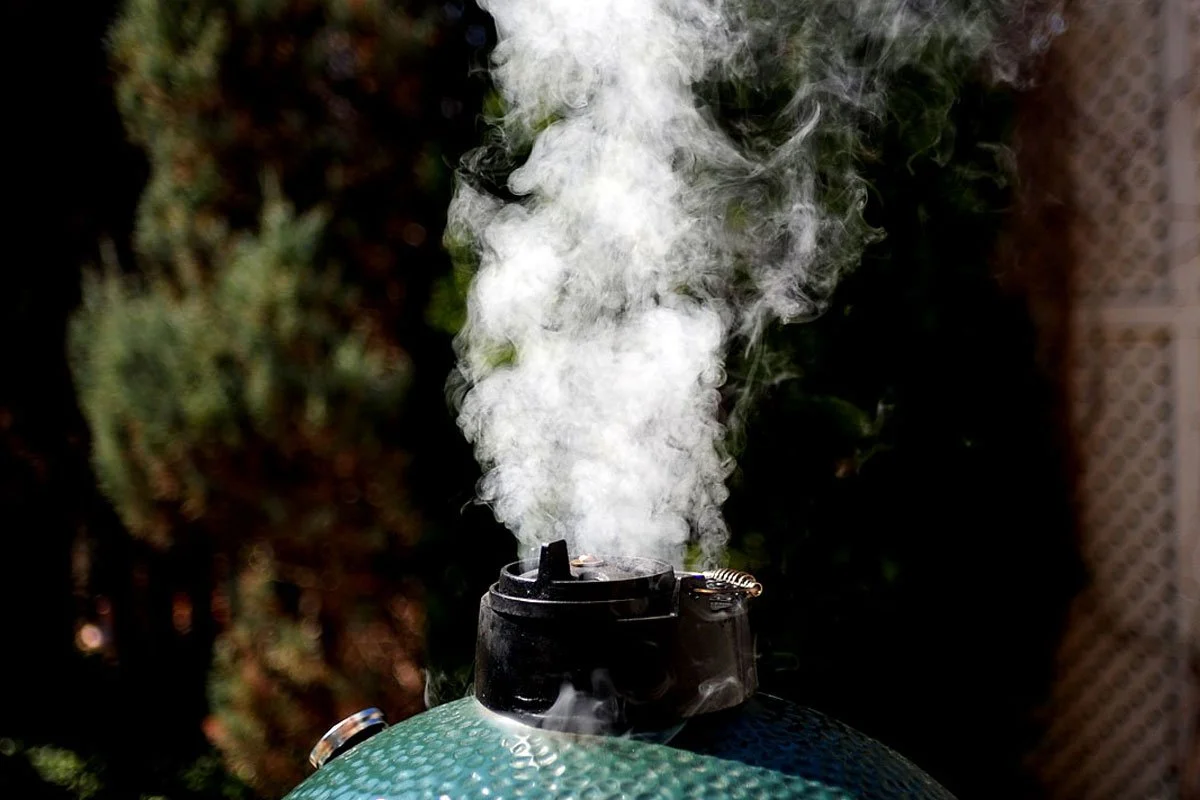
Choosing the Right Hardwood and Woodchips for Smokers, Grills and Pizza Ovens
If you’ve ever stood over your smoker debating whether to add hickory chips or cherry chunks, you’re not alone. For any backyard pitmaster (or wood-fired oven cook) it is natural at some point to wonder whether the type of woodchips you use really make a difference to the flavor of your food. Can anyone tell the difference if it’s cherry or apple wood? If you’re looking at a bag of alder wood chips and a bag of apple wood chips, does it matter which one you buy? Or is wood smoke just that… wood smoke.
The short answer is yes (sort of) the type of wood can make a difference, but the long answer is where things get more interesting.
There’s Science Behind Smoke Flavor
Think of it this way: wood or woodchips aren’t just fuel or different smoke, they’re ingredients. Hardwood smoke and fire are part of your recipe flavor profile.
When you start to think of your woodchips, chunks or logs as another ingredient in whatever you’re cooking, then things become a little easier to understand.
Let’s get into the science I have learned over the years (at a basic level, I am not a science major). When hardwood burns, it breaks down into gases and compounds that cling to your food. That is the magic of cooking with woodchips, hardwood lump charcoal, wood logs etc.
Cellulose & Hemicellulose release sweet, caramel-like notes.
Lignin produces smoky, spicy phenols that really define barbecue.
Moisture content affects how cleanly wood burns and how much smoke is produced (should you soak those woodchips?).
That’s why, for example, oak delivers a balanced, steady smoke, while hickory leans toward being a little more bold, and fruitwoods like cherry or apple add subtle sweetness.
Mesquite, meanwhile, is in a world of its own. In my early days at the smoker I used mesquite with chicken (too much mesquite, to be clear) and it was powerful enough to overwhelm chicken (to the point of being inedible). Not because it was oversmoked, but because the mesquite smoke was too much for the lightness of chicken. It was bit of a lightbulb moment for me in my early days learning the craft. I learned pretty quickly that the wood type can make a noticeable difference (heavy-handed or not).
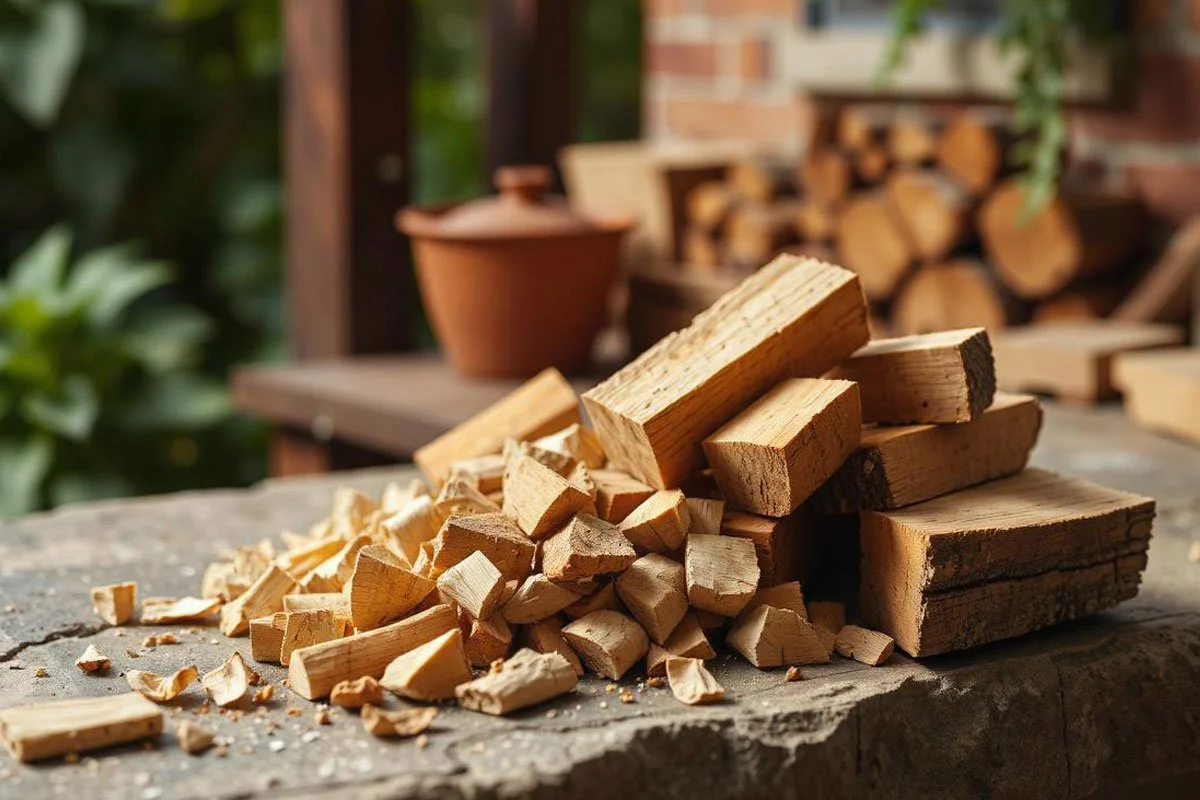
A Practical Guide to Choosing the Best Wood for Smoking and Grilling
There a lots of guides to wood and woodchips out there, but for the record here’s how I match wood to food so that I get flavor without overpowering. Let’s look at a few more popular choices (but there is so much more from which to choose):
Hickory
Hickory is my go-to for many things. I love it for smoking ribs, pork shoulder, brisket and for cold smoking cheese and smoked nuts (among other foods). Hickory has strong, savory smoke, but you do have to go easy with hickory in order to avoid bitterness. Remember: you can add smoke but you can’t take it away, so start slow as you test amounts for certain cooks instead of starting too heavy handed.
Oak
Oak, in its various species (white, red, live etc.), is one of the most versatile woods for smoking brisket, sausages, steaks and also for fueling pizza ovens. I like oak (particularly in the brick oven) because it burns steady and clean and generally is not overpowering as a flavor component.
Cherry, Apple and Fruit Woods
The fruit woods are mild, sweet woods that are perfect for chicken, turkey, fish and vegetables. A lot of people like apple for pork as well (I still prefer hickory). The fruit woods can add a little color and a gentle fruitiness to lighter fare.
Mesquite
The king of the popular woods, mesquite isn’t to be messed with. Give it the respect it deserves until you get a sense of how it works with food in your setup. I find mesquite is best for grilling beef or game (short cooks as opposed to long smokes). Use it sparingly. Mesquite is bold, earthy and it can turn bitter really quikcly if you’re not on top of things.
Smokers vs. Grills vs. Brick Ovens
Another thing to consider is your setup and exactly how you are using your wood or wood chips. As someone who has many types of rigs in my outdoor kitchen, here is my basic approach to wood and wood chips in varous setups.
Smokers
Wood choice arguably matters the most here. Typically, wood chips are used on top of hardwood lump charcoal. Because it’s low and slow cooking, you can really rack up a lot of flavor. Smoke is the seasoning, so subtle differences are noticeable. Proceed with caution until you master amounts and times in your smoker(s).
Grills
Cook times are shorter when grilling, so you have a little more room to experiment without the risk of overdoing it. Wood chips add nuance, but marinades and searing will tend to dominate the final flavor profile. Still, you can definitely get a hint of wood taste on a hardwood grilled steak. But, the real question is: is that from the hardwood lump charcoal or your wood chips/chunks?
Think of wood as a supporting actor, or as a sensory bonus for your guests, who (if they’re like mine) most likely love the added aroma of the smoke that fills the yard. I’ll often throw a few woodchips on the coals when grilling for this reason alone. It’s all part of the experience of backyard BBQ.
Brick Ovens
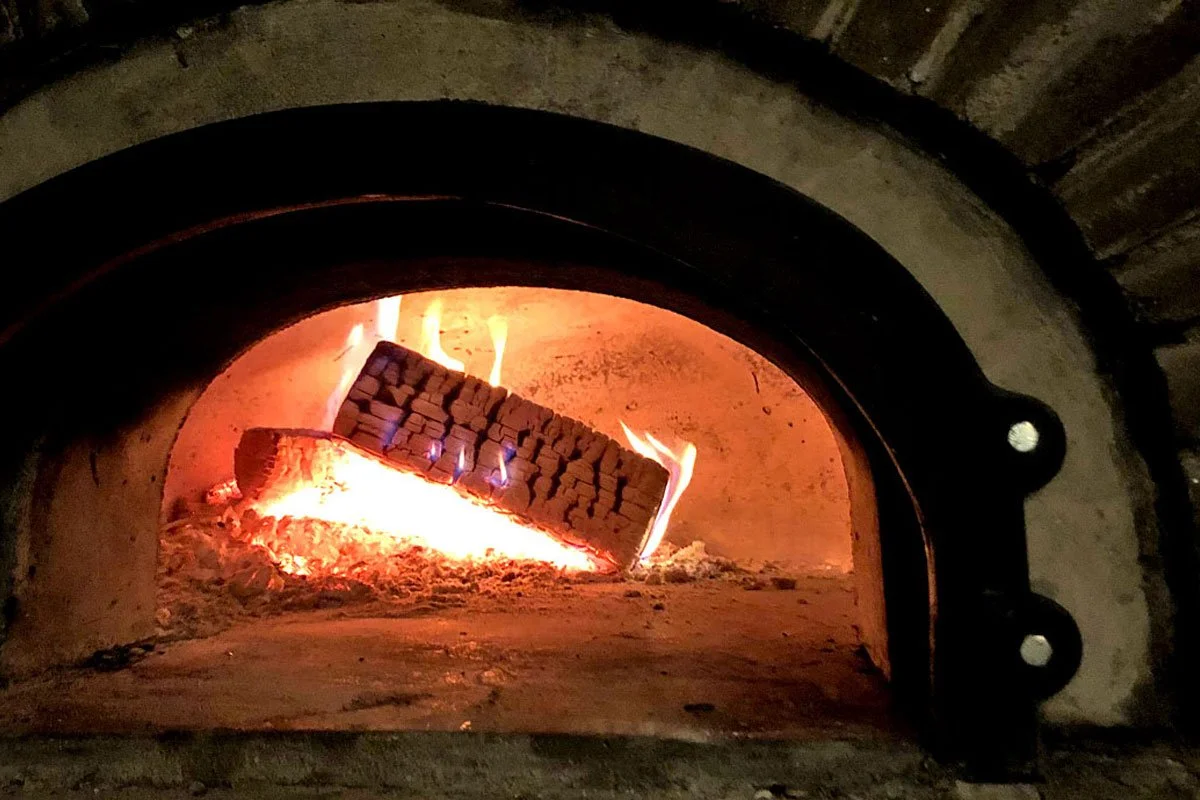
So many factors come into play when it comes to the wood-fired brick oven. Now we’re talking about burning full-size split logs, so things heat up quickly. Oak is popular for pizza ovens because of its steady (and usually longer) burn. Fruitwoods can add a whisper of sweetness to pizza crusts and bread. But hickory is still a very popular choice.
Personally, I love hickory, oak and maple in the brick oven. It also depends on what you are cooking, which can impact the wood you choose. Are you making pizza, beef, sausages, chicken, baked beans?
I will often switch things up when using the brick oven. I’ll use “throwaway” wood (whatever clean-burning hardwood is available locally, like birch) during the two- to three-hour heat-up period, and then put my favorite logs on the fire before putting in the food to be cooked.
Can People Really Taste the Difference of Which Wood You Used?
Probably not.
The real truth here is that most casual eaters won’t be able to identify cherry versus apple, but they’ll definitely notice whether the smoke is balanced or too harsh. True barbecue enthusiasts, however, will taste the nuances. It’s a lot like wine in many ways. Most casual wine drinkers can’t tell a cabernet from merlot, or detect notes of caramel (they just say it smells and tastes like wine). But the connoisseurs will have a more refined palette.
So yes, wood choice matters. Not because your guests will call out the species, but because the right wood creates harmony between smoke and food. The key to honing your craft with your smoker, grill or brick oven is to test and experiment over time to find the wood blends you love for the foods you cook.
I’m also a bit of purist and I like to be authentic to a dish whenever possible. That’s why I brought back two bags of Kiawe wood chunks from Hawaii, for example, so that my Huli Huli Chicken would have that touch of island authenticity. Little details like this also add to the storytelling for guests as the sweet smell of smoke fills the air.
A Wood Choice Cheat Sheet for BBQ Success
If you’re looking for a good place to start when it comes to wood chips or logs, here’s a quick wood chunk cheat sheet to get you started.
Start with oak for balance and reliability.
Add fruitwoods for lighter meats and vegetables.
Use hickory for bold pork and beef, but don’t overdo it.
Treat mesquite with respect—it’s powerful and best used in small doses or for quick grilling.
To sum it all up: as is often the case when it comes to barbecue and grilling, wood choice is part science, part tradition and part artistry. If you want to elevate your barbecue, experiment with different hardwoods. Keep notes, trust your palate and listen to your guest feedback.
And possibly most important of all is to always remember that the fire itself (and whatever wood you add t to it) is one of your most important ingredients.
By Mike Belobradic, BBQ Chef
For expert commentary on Canadian barbecue and hardwood smoking, contact Chef Mike Belobradic at SmokeFireGrill.ca