
Cold Rise Pizza Dough Recipe
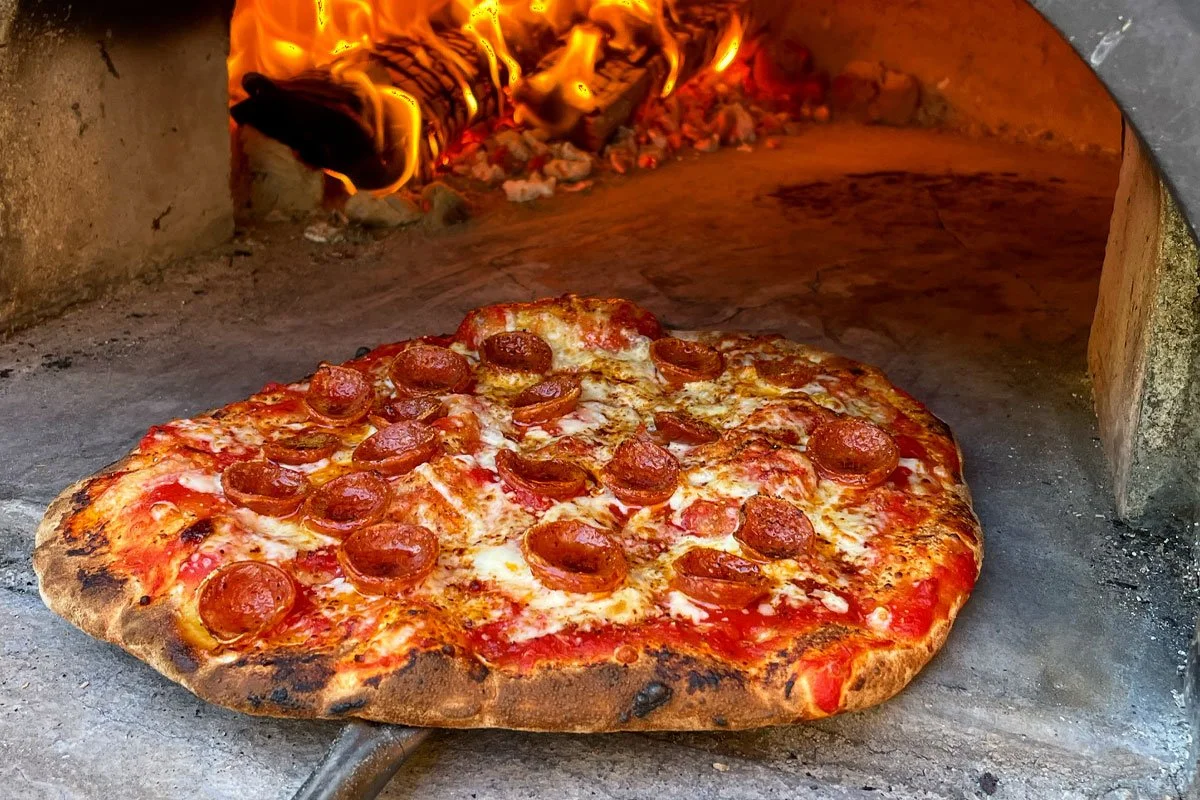
Cold Fermentation for Richer Flavor and Chewy Crust
If you’re a pizza lover, you know that the crust is a key part of what makes a standout pizza. If you’ve ever wondered how to get that deep, yeasty flavor and satisfying chew like you find at your favorite pizzeria, the answer lies in two key techniques: using bread flour and cold fermentation.
This recipe for pizza dough features both of those. It was originally shared with me from my head chef at culinary school (thank you Chef Mark), and I have passed it on many times since then.
Tip: You can use this same dough to make excellent focaccia bread.
The Perfect Pizza Dough for Wood-Fired Brick Ovens
Bread flour’s higher protein content creates a stronger gluten network for chew and structure, while cold fermentation enhances flavor complexity and aroma. This recipe is the one I use for my wood‑fired brick oven pizzas, but it works well in any oven.
Cold Rise Pizza Dough Ingredients
To make this pizza dough, you’ll need only a few basic ingredients:
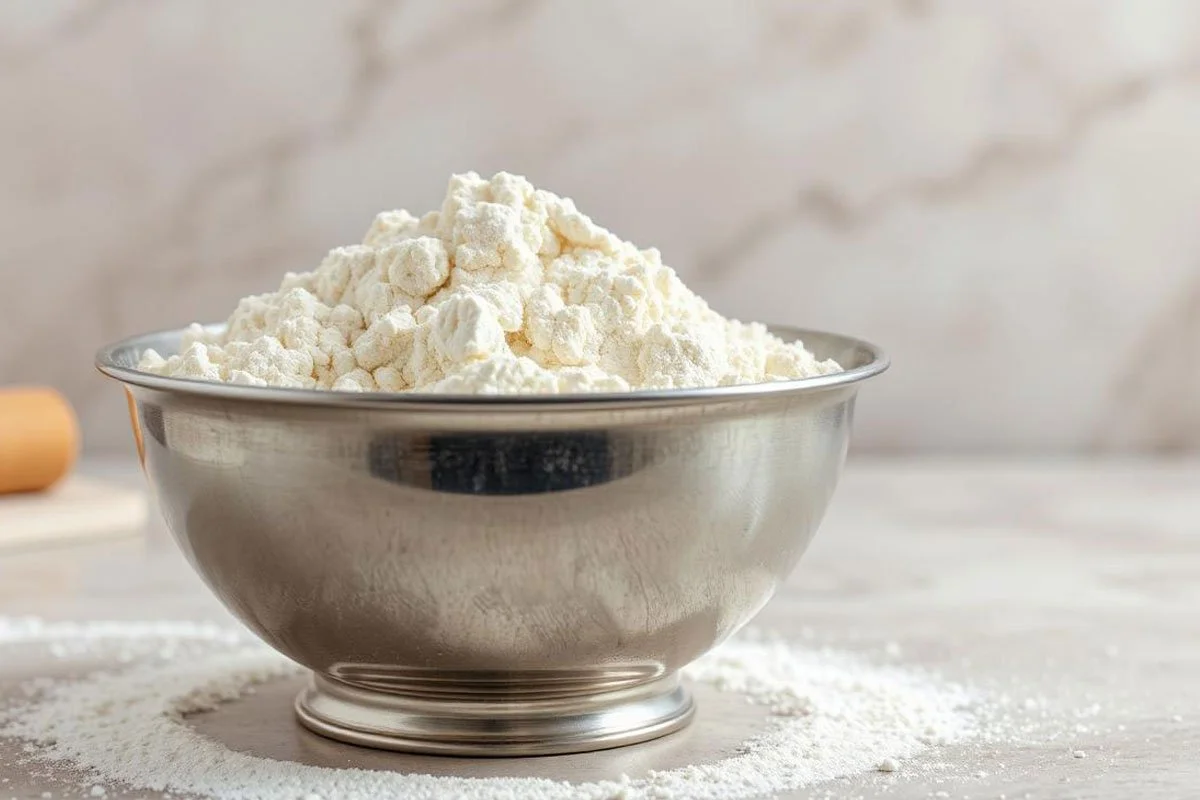
1 pound bread flour
1.5 teaspoons active dry yeast (not pizza yeast)
1.5 teaspoons white sugar
1 teaspoon salt
1 tablespoon olive oil
¾ to 1 cup warm water
Here are the ingredients in grams and with percentages (to make it easier for scaling):
Bread Flour 454g (100%)
Warm Water 300g (66%)
Active Dry Yeast 4.5g (1%)
White Sugar 6g (1.3%)
Salt 5g (1.1%)
Olive Oil 13g (2.8%)
This dough is approximately 66% hydration, putting it in a sweet spot for crispy and chewy pizza dough that is easy to handle and stretch.
Cold Rise Pizza Dough Instructions
Step 1: Prepare the Yeast Mixture
In a measuring cup, add ¾ cup warm water.
Stir in the yeast until fully dissolved. This may take a minute or so of gentle stirring.
Add salt, sugar and olive oil to the water and stir again.
Step 2: Mix the Dough
Place the flour in the bowl of a stand mixer fitted with a dough hook.
Start the mixer on low speed and slowly drizzle in the water/yeast/salt/sugar/oil mixture.
Use a slim spatula to keep flour from sticking to the sides (slim helps to avoid the dough hook).
As the dough begins to form, increase the mixer speed slightly. Use your discretion. You want to help the dough ball to form, but not spin too quickly.
Step 3: Adjust Hydration
If the dough remains dry after ¾ cup water, add up to ¼ cup more warm water, drizzling slowly until the dough forms a smooth ball.
The dough ball should be formed but not too sticky—hydration is a fine art, so add water gradually.
If you go too far with the water and it gets too wet (it happens), simply add a little more flour (carefully and slowly) to get it back to your desired consistency.
Step 4: Cold Fermentation
Once the dough ball forms, remove it from the mixer. Avoid overmixing.
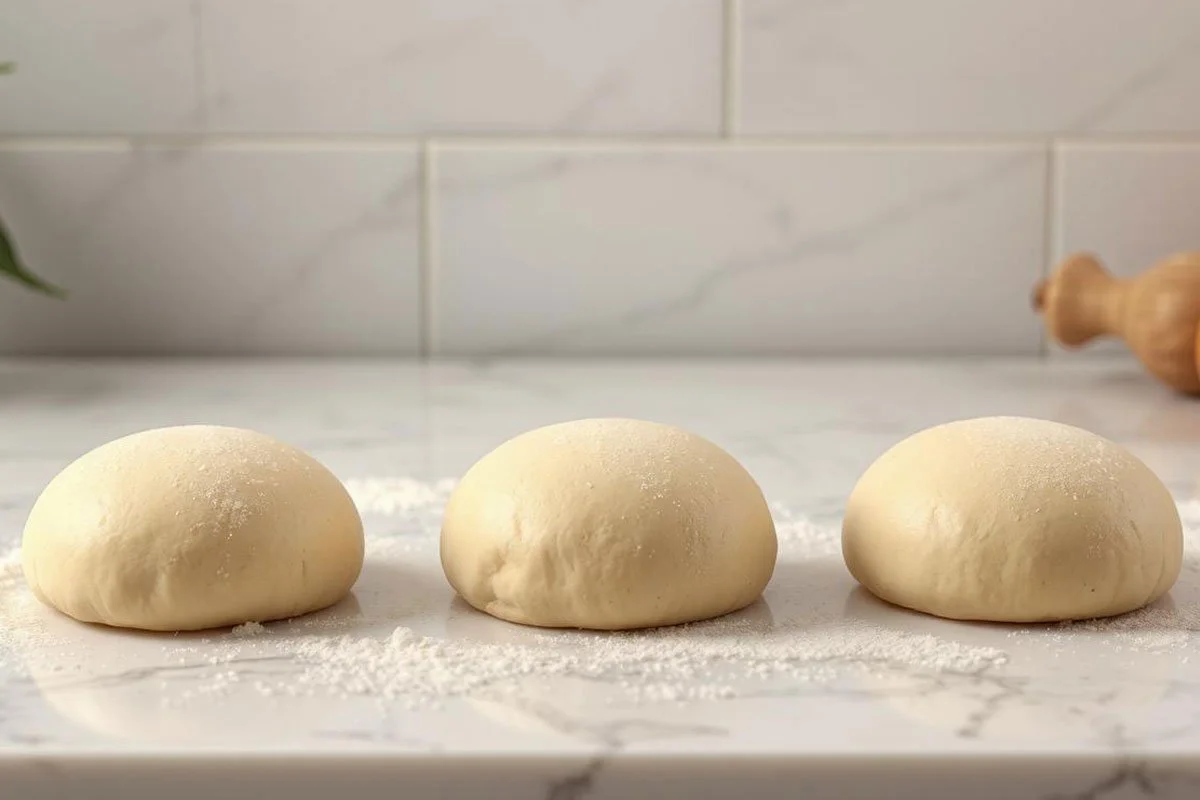
Divide the dough into three equal portions (each makes a 14‑inch pizza).
Lightly coat each ball with olive oil and place in a covered proofing box or plastic container with a lid (you can find these at a dollar store, make sure it’s a least four inches tall).
Refrigerate overnight (or up to 48 hours for even deeper flavour—some people say 72 hours, but I find that is too long and can lead to some degradation).
Step 5: Day of the Cook
Prepare the dough the night before—around 4:00 p.m. works well if this is for dinner the next day.
On the day of baking, remove the dough balls from the fridge two hours before you plan to start making the pizzas.
Place them on the counter, covered with a clean cloth or paper towels.
Allow the dough to rest for two hours at room temperature.
After two hours, the dough is relaxed, airy and ready to be shaped and cooked.
The Magic of Bread Flour and the Cold Chill
This pizza dough has a couple of unique elements that give it its special qualities.
Bread Flour: Creates a chewy, pizzeria‑style crust.
Cold Rise: Extends fermentation, producing a richer yeast taste and improved texture.
Resting Before Baking: Brings the dough back to workable temperature and ensures easy shaping.
It’s Time to Make Pizza
Cold rise pizza dough is a game‑changer for any pizza maker. A lot of fresh-made store bought pizza dough balls are convenient and usually pretty good (though they can be overworked and hard to use for thin crust pizza), but with just a little patience, you can make your own dough and unlock flavours and textures that rival the best pizzerias.
Whether you’re firing up a wood‑burning brick oven or baking in your kitchen oven, this dough delivers a crust that’s chewy, flavourful and unforgettable.
By Mike Belobradic
Founder of Smoke Fire Grill™ and the Northern Barbecue™ Method of live-fire cooking courses.
Visit the shop for live-fire cooking t-shirts, hoodies and sweatshirts.