
The Live-Fire Pantry: Sauces, Mustards and Condiments that Earn their Place
Every Jar in the Pantry Should Earn Its Place
Condiments are an important part of any live-fire pantry and the best condiments do a lot more than finish off your burger or dress up a hot dog. Condiments can also be valuable to build flavour throughout the cook. They can become marinades, emulsifiers, glazes, pan sauces and finishing touches that enhance the smoke from your coals.
Like every ingredient in The Live-Fire Pantry, each of these condiments has earned its place through versatility, balance and flavour.
15 Condiments for Every Live-Fire Barbecue Pantry
1. Dijon Mustard
Why it Belongs
Dijon is one of the hardest-working ingredients in the outdoor kitchen. If you’ve been avoiding Dijon mustard for whatever reason, now’s the time to give it a try. It’s really a multi-purpose giant, serving up acidity, gentle heat and emulsifying properties that make it far more flexible than just as a fancy sandwich alternative to yellow mustard.
Best With
Pork, chicken, beef, sausages and vegetables.
Live-Fire Applications
Binder for dry rubs
Marinades
Vinaigrettes
Pan sauces
Herb crusts
Fire Chef's Tip
Don't worry about using Dijon as a binder before applying your rub. Once cooked, the mustard flavour fades into the background while helping the seasoning adhere to the meat.
2. Whole Grain Mustard
Why it Belongs
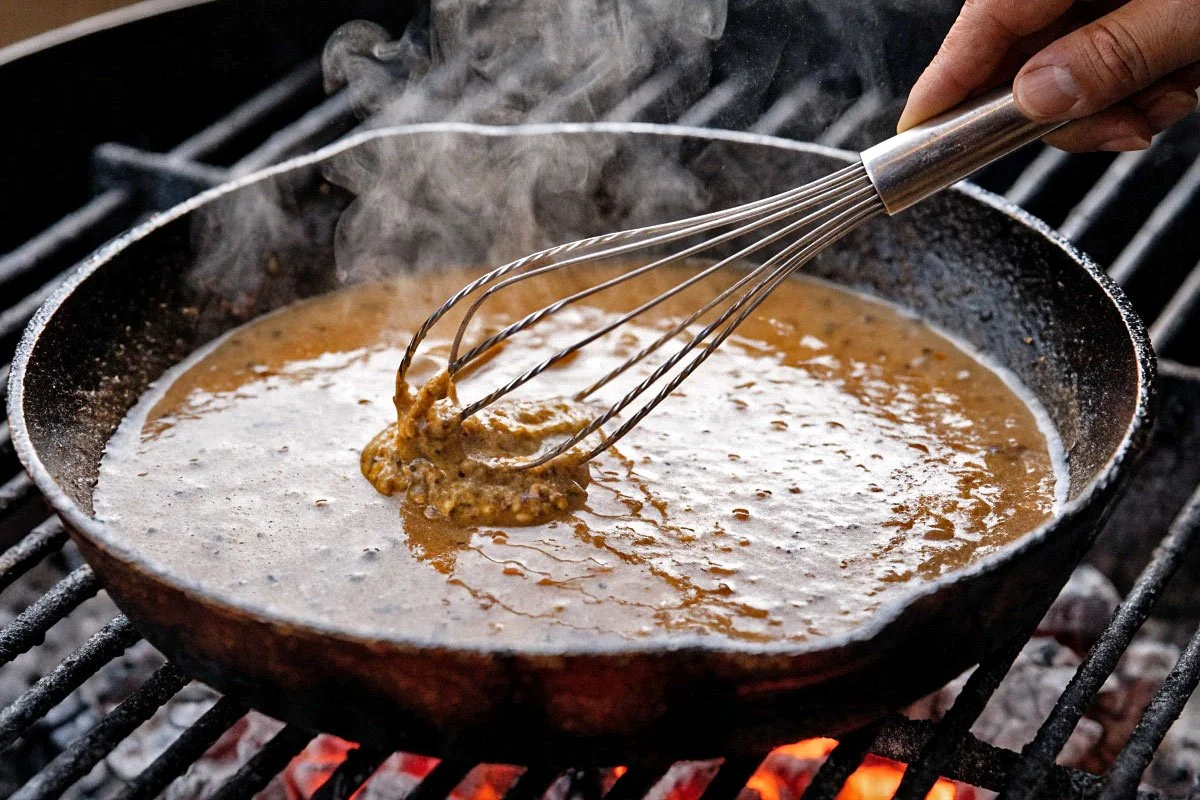
Where Dijon mustard is the one that provides smoothness, whole grain mustard (which is not yellow mustard) contributes texture and bursts of acidity.
Best With
Sausages, pork chops, grilled chicken and roasted vegetables.
Live-Fire Applications
Finishing sauces, compound butters and pan sauces.
Fire Chef's Tip
Whisk whole grain mustard into a warm pan sauce after resting steaks or chops for added texture and brightness.
3. Tomato Paste
Why it Belongs
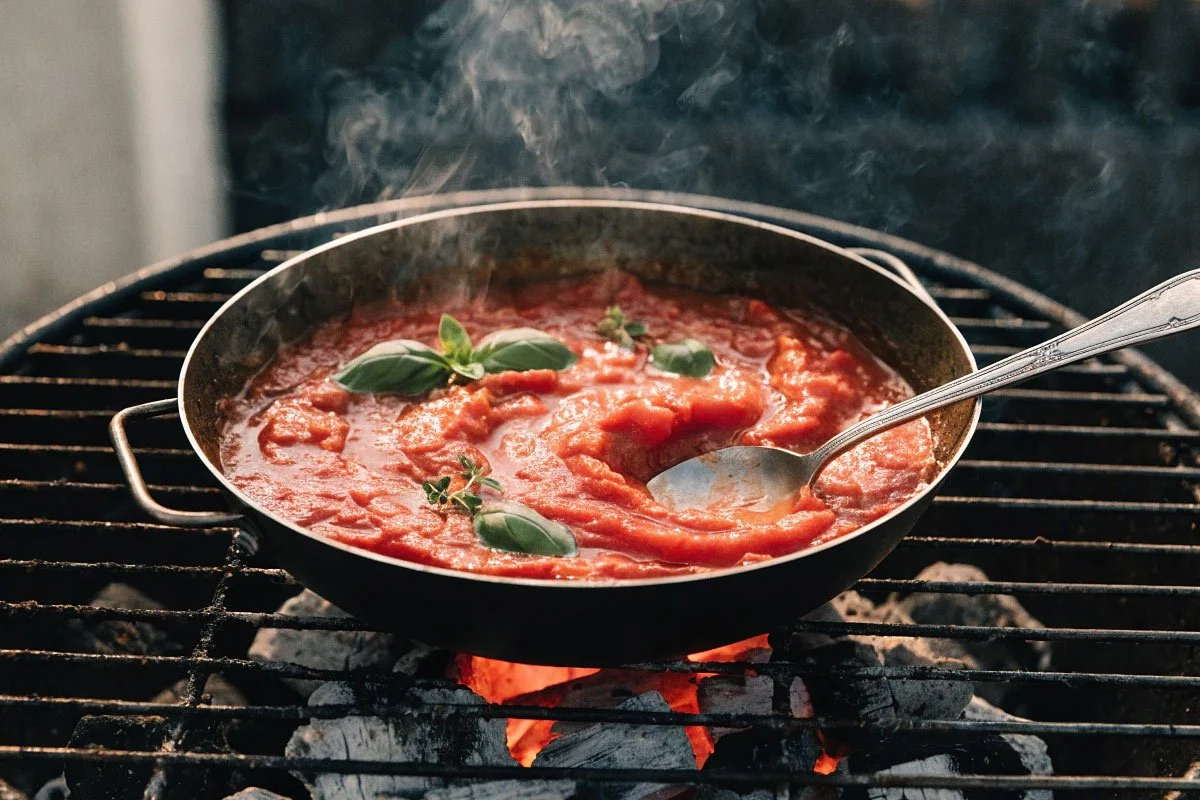
While fresh ingredients are always great, there is a place for the unique qualities of tomato paste as well. The concentrated tomato flavour in tomato paste adds richness to many dishes without the sweetness of ketchup.
Best With
Beef, lamb, pork and braised dishes.
Live-Fire Applications
Barbecue sauces, braising liquids and chilli.
Fire Chef's Tip
Cook tomato paste briefly in oil (and don’t be shy about adding some fresh herbs like basil and oregano, along with garlic, salt and pepper) to deepen its flavour and remove any raw taste.
4. Worcestershire Sauce
Why it Belongs
When it comes to this famous ingredient, a little goes a long way.
Worcestershire quietly contributes umami, acidity, sweetness and spice. It can be the one that makes a difference when people can’t quite figure out exactly what you did to elevate the flavour.
Best With
Beef, burgers, steaks, mushrooms and meatloaf.
Live-Fire Applications
Marinades, burger blends, steak sauces and beef glazes.
Fire Chef's Tip
If a beef marinade tastes "good" but not "great," try adding a splash of Worcestershire before adding more salt. As always, taste as you go to get the flavour just right.
5. Soy Sauce
Why it Belongs
Soy sauce is one of the most effective ways to build savoury depth, but be careful with sodium levels here. Low sodium soy is always a good bet to ensure a dish doesn’t veer off into too-salty territory.
Best With
Beef, chicken, pork, seafood and vegetables.
Live-Fire Applications
Marinades, stir-fries on the griddle, glazes and finishing sauces.
Fire Chef's Tip
Soy sauce brings salt and umami. Always be sure to taste before adding any additional seasoning.
6. Fish Sauce
Why It Belongs
Its aroma can be intimidating, but its flavour can be transformative. While not a personal favourite of mine, fish sauce is basically pure umami in liquid form. It’s true that in many cases, it doesn’t actually taste “fishy.”
Best With
Beef, pork, chicken and vegetables.
Live-Fire Applications
Marinades, Southeast Asian barbecue, dipping sauces and burger blends.
Fire Chef's Tip
Used correctly, nobody should taste fish sauce in the finished dish. They should simply wonder why everything tastes more savoury.
7. Honey
Why it Belongs
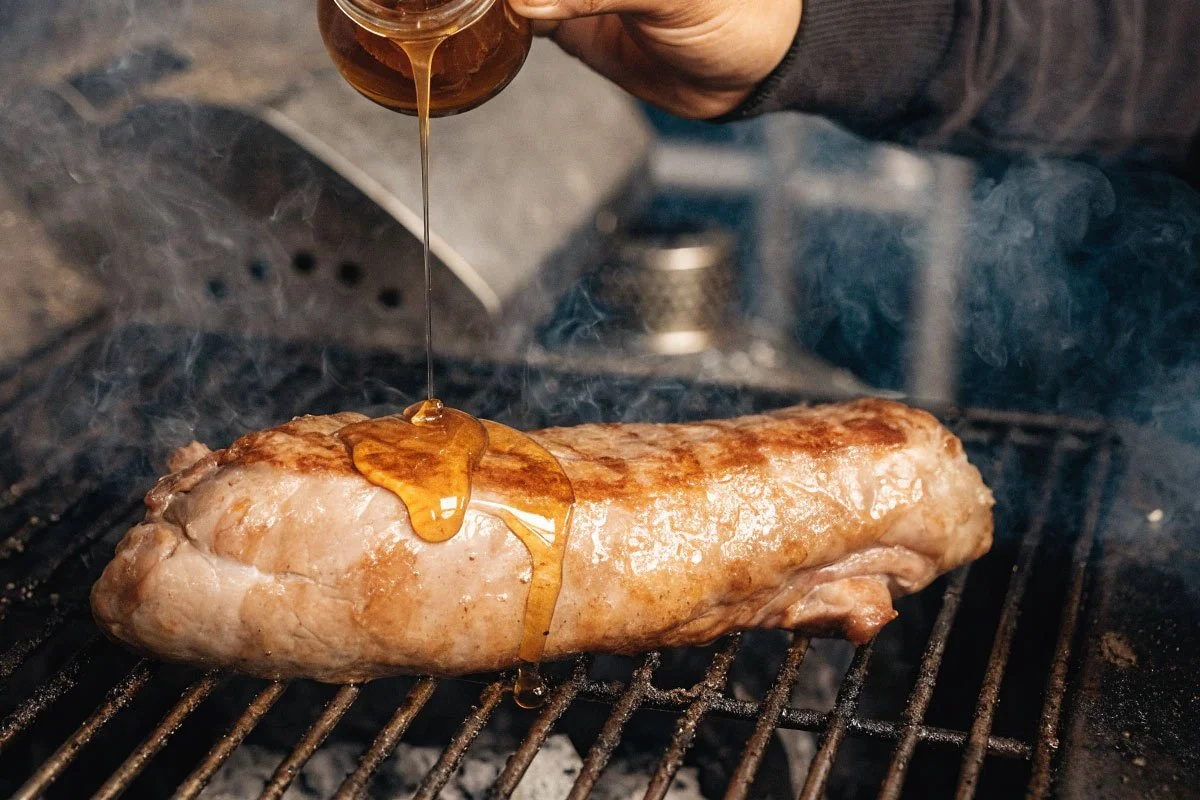
Honey adds several things to any live-fire barbecue dish, including sweetness, floral character and a trademark honey caramelization.
Best With
Chicken, pork, salmon, sausages and grilled fruit.
Live-Fire Applications
Glazes, barbecue sauces and finishing drizzles.
Fire Chef's Tip
Brush honey-based glazes onto food near the end of the cook to reduce the risk of burning. The caramelization and slight char can take any dish over the top.
8. Maple Syrup
Why it Belongs
For Canadian outdoor cooks in particular, maple syrup deserves a permanent place beside the grill.
Its complex sweetness complements smoke beautifully and it melds with barbecue sauces like a match made in barbecue heaven.
Best With
Pork, bacon, ham, salmon, carrots and squash.
Live-Fire Applications
Glazes, vinaigrettes, baked beans and compound butter.
Fire Chef's Tip
Always choose pure maple syrup over maple-flavoured syrup (the big name brands). The difference in flavour is dramatic, as is the ingredient quality.
9. Molasses
Why it Belongs
Molasses provides deep, rich sweetness and contributes the dark colour associated with many classic barbecue sauces.
Best With
Brisket, pork shoulder, ribs and baked beans.
Live-Fire Applications
Dry rubs, barbecue sauces and glazes.
Fire Chef's Tip
Molasses is powerful. Use it to add depth, but be careful not to allow it to dominate the dish.
10. Hot Sauce
Why it Belongs
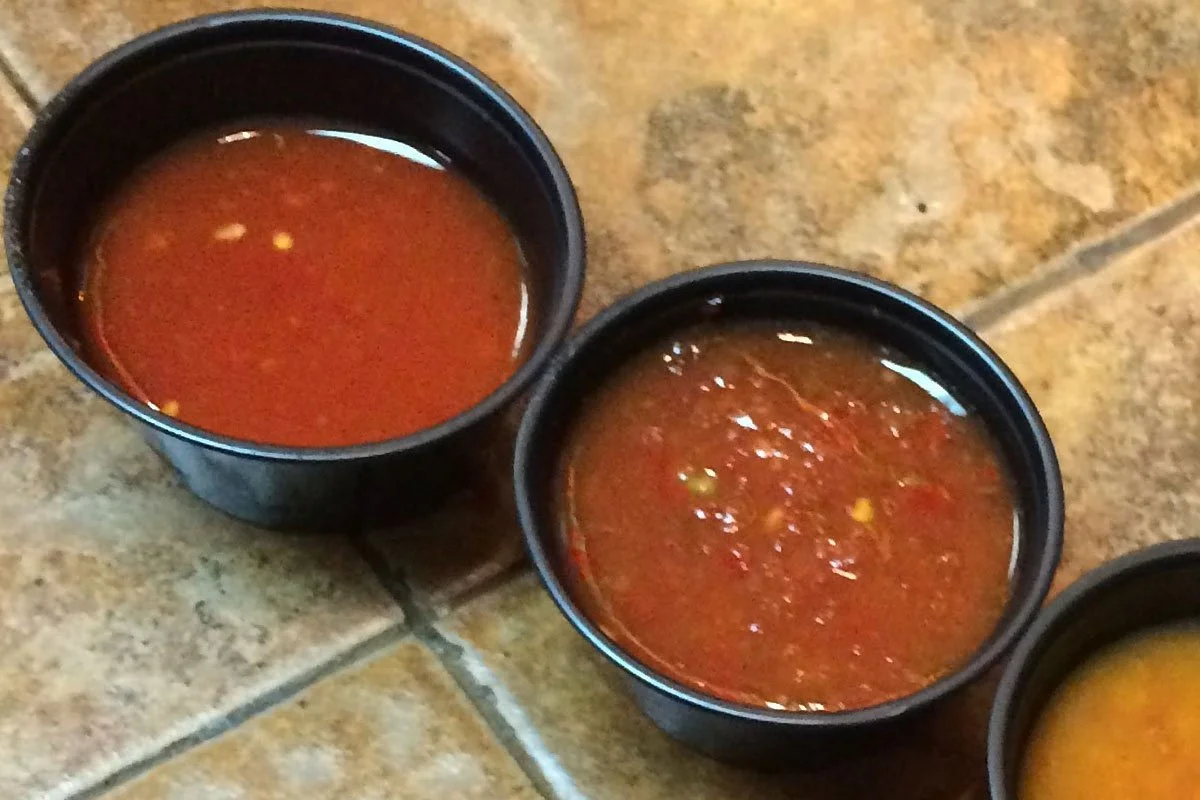
Every pantry needs at least one dependable hot sauce. Whether you like mouth-burning fire or just a hint of heat, the best hot sauces contribute acidity and flavour, in addition to spicy heat.
Best With
Almost everything.
Live-Fire Applications
Marinades, finishing sauces, wings and grilled seafood.
Fire Chef's Tip
Think of hot sauce as another acid rather than simply another source of heat.
11. Chili Crisp
Why it Belongs
Crunchy, savoury and gently spicy, chili crisp adds texture as well as flavour. If you’ve never tried it, it’s worth sourcing.
Best With
Steaks, grilled vegetables, burgers and eggs cooked on the griddle.
Live-Fire Applications
Finishing condiment.
Fire Chef's Tip
A spoonful of chili crisp over grilled asparagus or mushrooms is unforgettable.
12. Miso Paste
Why it Belongs
Miso quietly reinforces savouriness while contributing sweetness and complexity.
Best With
Salmon, eggplant, mushrooms, chicken and pork.
Live-Fire Applications
Glazes, marinades, compound butter and vegetable cookery.
Fire Chef's Tip
Blend white miso with butter before brushing on grilled corn or mushrooms.
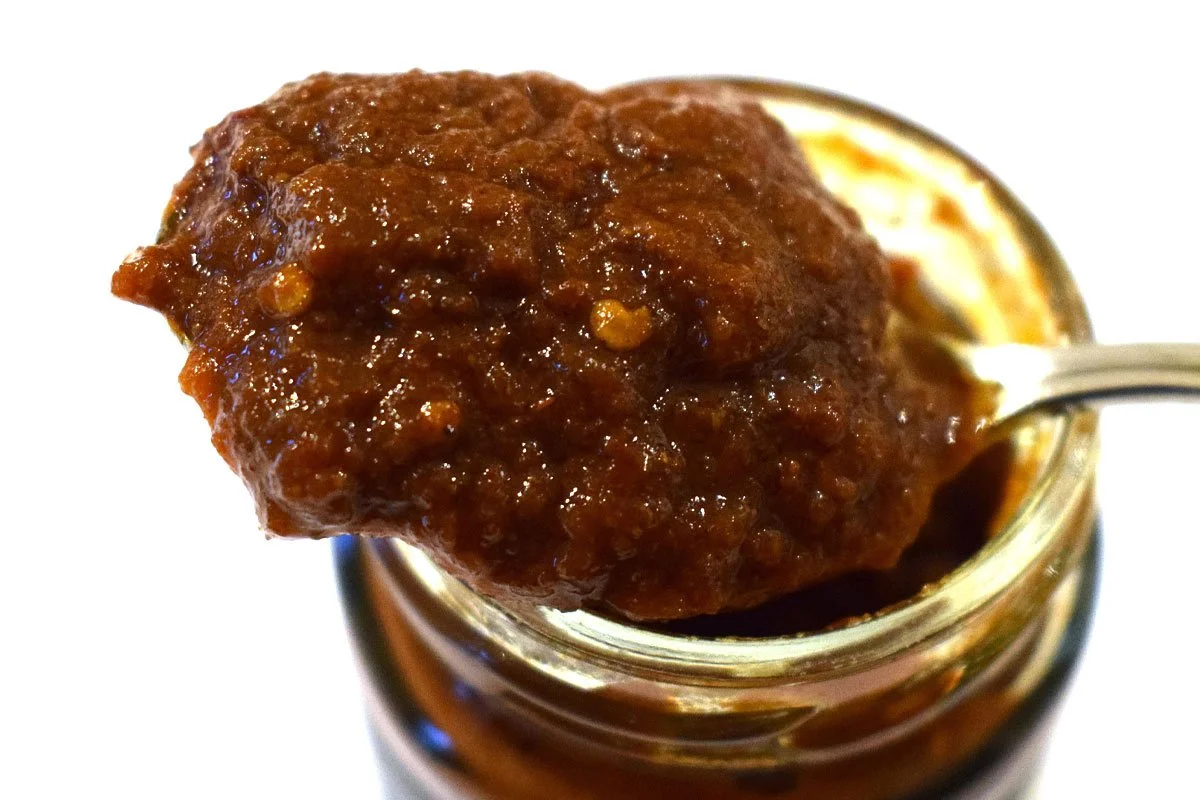
13. Harissa
Why it Belongs
Harissa delivers smoky chile flavour, warmth and aromatic spices all combined in one ingredient.
Best With
Lamb, chicken, vegetables and sausages.
Live-Fire Applications
Marinades, finishing sauces and grilled flatbreads.
Fire Chef's Tip
A spoonful stirred into Greek yogurt creates a quick sauce for grilled meats. This is one of my favourites ways to make a quick and unique sauce/glaze.
14. Gochujang
Why it Belongs
Sweet, savoury, fermented and spicy, gochujang is one of the most versatile condiments in outdoor cooking (and probably not used nearly enough).
Best With
Chicken, pork, beef and grilled vegetables.
Live-Fire Applications
Glazes, marinades and barbecue sauces.
Fire Chef's Tip
Its natural sweetness helps create a really nice caramelization over charcoal.
15. Prepared Horseradish
Why it Belongs
Not every meal needs sweetness; sometimes it needs sharpness (and a wee bit of spicy goodness).
Best With
Prime rib, steaks, smoked beef and roast beef sandwiches.
Live-Fire Applications
Cream sauces, compound butter and finishing sauces.
Fire Chef's Tip
Fold horseradish into crème fraîche or sour cream (instead of the standard mayonnaise) for a lighter steak accompaniment.
Build Flavour, Don't Collect Jars and Bottles
One of the easiest traps to fall into with condiments is buying a new bottle for every recipe. I think we’ve all been there at some point. You end up with an array of jars that are almost full but long past their “best before” date. Instead, as your skills grow, learn what each ingredient contributes: acidity, sweetness, umami, heat, fermentation and/or texture.
Once you understand those building blocks, you'll find yourself creating your own sauces and marinades with confidence instead of relying on what some recipe says you need to buy.
Fire Science
Many of the best condiments work because they combine multiple flavour elements at once. Worcestershire sauce, for example, contributes acidity, umami, sweetness and spice in a single ingredient. Understanding these flavour layers helps you season with intention rather than by habit.
Your Essential Live-Fire Condiment Shelf
So to sum up, if you're stocking your pantry from scratch, begin with these 10 essentials:
Dijon mustard
Whole grain mustard
Tomato paste
Worcestershire sauce
Soy sauce
Fish sauce
Honey
Pure maple syrup
Molasses
Hot sauce
If you want to go a little deeper, layer on these next five.
Chili crisp
Miso paste
Harissa
Gochujang
Prepared horseradish
This collection will take you far beyond bottled barbecue sauce, giving you the building blocks to create marinades, glazes, pan sauces and finishing touches that complement rather than cover the flavour of live-fire cooking.
A thoughtfully stocked pantry is more than a collection of ingredients: it’s a collection of possibilities.
Master those relationships, and you're no longer just following recipes, you're cooking with confidence.
By Mike Belobradic, founder of the Northern Barbecue™ Method of live-fire cooking.