
Fire and Wine: Does Your Barbecue Fuel Change What’s in the Glass?
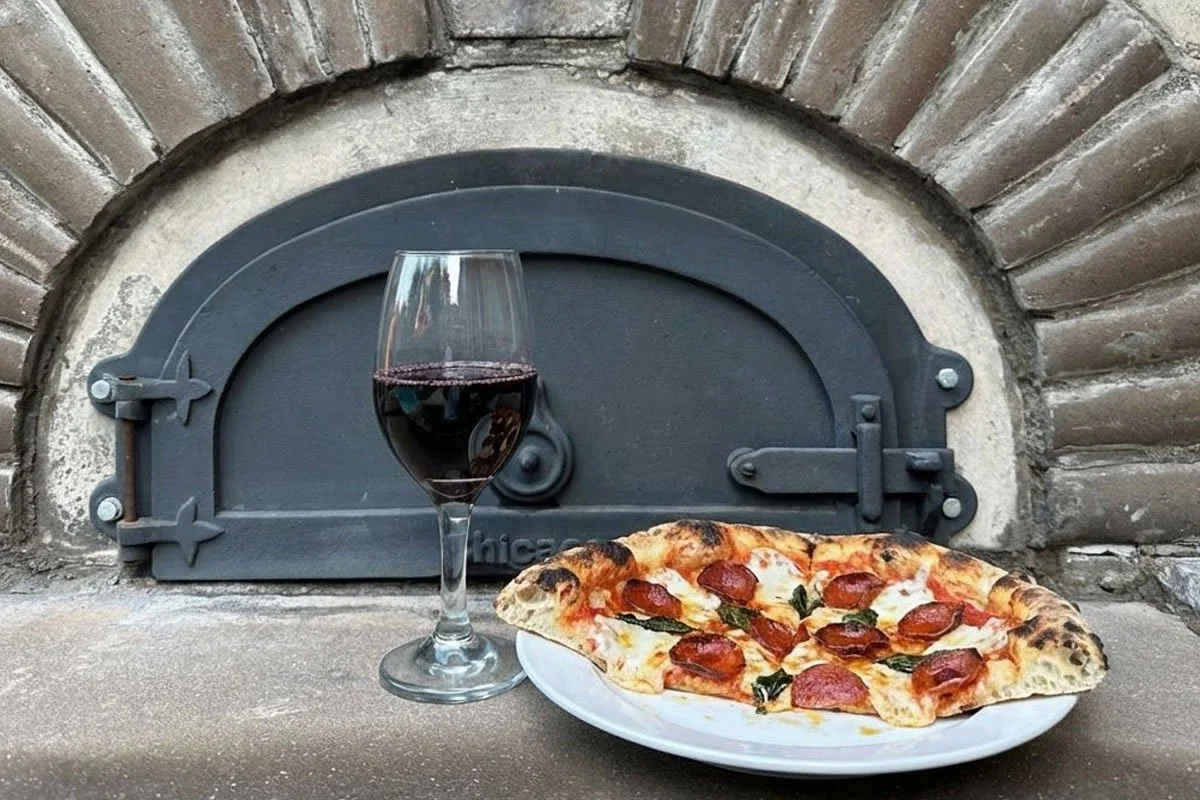
How Gas, Charcoal, Pellets and Brick Ovens Change Flavour Structure — and What That Means for Your Wine Choice
If you like a nice glass of wine with your backyard barbecue, there may be something you haven’t considered.
Most backyard grillers think about two variables:
What am I cooking? and
What wine should I open?
Very few consider a third — and it matters:
What fuel am I cooking over?
Gas, charcoal, hardwood, pellets and brick ovens all produce heat differently. That difference shapes aroma, surface chemistry, perceived sweetness, bitterness and texture. And those differences influence how wine behaves on your palate.
If you understand how fire works, wine pairing becomes far more precise.
The Fuel Factor: Gas vs Charcoal vs Pellet vs Brick Oven
Before we get into specific dishes, it helps to understand how the fuel you use changes the flavour structure – and how that will impact some wine pairing considerations.
Gas Grilling
Flavour profile:
Clean combustion
Minimal smoke influence
Clear Maillard browning
Ingredient-forward flavour
Lower perceived bitterness from char
Gas grilling emphasizes the core ingredient (usually a protein) and seasoning. There is little combustion-derived complexity, so the wine doesn’t need to manage smoke or phenolic bitterness.
Wine direction:
Bright fruit expression
Fresh, clear acidity
Moderate tannin (avoid overly firm grip unless the protein is very rich)
Medium body typically performs best
Minimal heavy oak influence
Because there is less smoke buffering any tannin, very structured wines can feel more aggressive with gas-grilled foods, unless the dish itself is fatty or heavily seasoned.
Gas grilling rewards clarity and freshness in the glass.
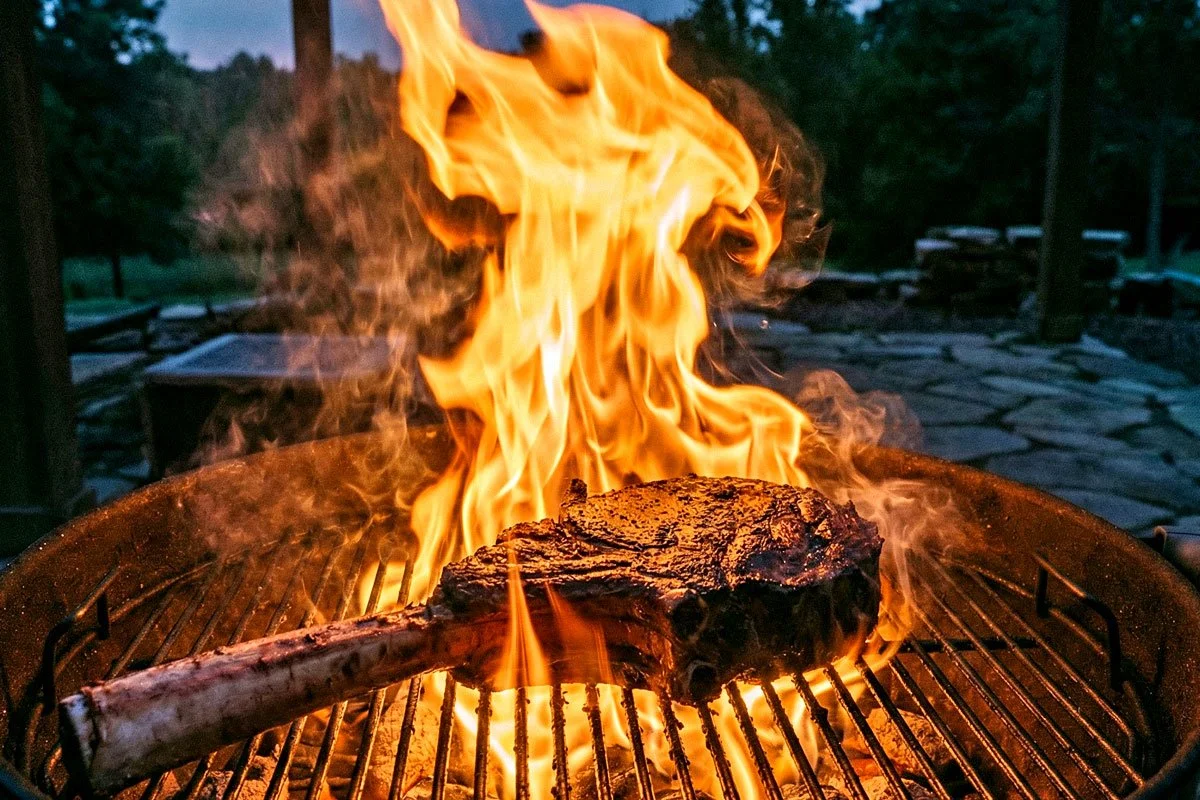
Charcoal/Hardwood Live Fire
Flavour profile:
Noticeable smoke aromatics
Slight phenolic bitterness from combustion
Deeper savoury character
Greater perceived umami
Fat and smoke integration
Charcoal introduces structural complexity. Fat and smoke buffer tannin, and char slightly increases bitterness perception.
Wine direction:
Medium- to full-bodied reds
Firmer (but ripe) tannins
Wines with earthy, herbal or savoury notes
Moderate to fresh acidity to lift richness
Avoid overly sweet-fruited, simple wines
Charcoal allows you to confidently choose wines with more grip and structure.
The smoke acts almost like a seasoning for tannin.
Pellet Grills
Flavour profile:
Mild, controlled smoke
Subtle wood aromatics (depending on pellet)
Even browning
Less aggressive char bitterness than lump charcoal
Pellet cooking usually adds background smoke, not dominant smoke. The result is balanced and rounded rather than intensely rustic.
Wine direction:
Medium-bodied reds with polished tannins
Textural whites with moderate weight
Wines with integrated oak rather than aggressive structure
Balanced acidity, not piercing
You generally don’t need heavy tannin here, but you can move slightly more structured than gas.
Pellet cooking rewards wines that feel harmonious rather than forceful.
Wood-Fired Brick Oven
Flavour profile:
Intense radiant heat
Rapid caramelization
Crisp crust development
Often less deep smoke than open charcoal
High contrast between charred exterior and moist interior
Brick ovens emphasize texture and caramelization more than heavy smoke.
Acidity becomes very important here — especially with tomato-based or high-heat dishes like pizza.
Wine direction:
High-acid wines perform really well
Moderate tannin (but be careful, as too much can clash with charred crust bitterness)
Wines with herbal, mineral or saline qualities
Medium body often works better than very heavy
Brick oven cooking often rewards acidity and balance more than sheer power.
Why Smoke Can Make Tannic Wines Feel Smoother
One of the most overlooked pairing dynamics in live-fire cooking is how smoke interacts with tannin.
Tannin binds with protein and fat. That is well understood. But when food is cooked over charcoal or hardwood, two additional factors come into play:
Combustion compounds introduce subtle bitterness and savoury phenolics.
Smoke aromatics increase perceived depth and umami.
These elements create structural complexity on the palate. When paired with a wine that contains firm tannin, the fat in the food helps soften that tannin, while the smoke-derived savoury notes prevent the wine from feeling harsh or overly drying.
In practical terms, a charcoal-grilled steak can comfortably handle a more structured wine than the same steak cooked over gas. The smoke acts almost like a seasoning for tannin, integrating it rather than exaggerating it.
It’s not about choosing a “bigger” wine. It’s about matching structural intensity.
Wine and Specific Backyard Favourites
Now let’s apply this to a few common backyard grilling favourites.
Steak
Gas-Grilled Steak
Cleaner char. Less smoke bitterness.
The meat’s fat and seasoning dominate.
Wine direction:
Fruit-forward reds
Moderate tannin
Fresh acidity
You can prioritize vibrancy without needing massive structure.
Charcoal-Grilled Steak
More smoke complexity. Slight phenolic bitterness.
Fat and fire integrate.
Wine direction:
Structured reds with firmer tannin
Wines with savoury or earthy notes
Slightly fuller body
Charcoal allows tannin to feel smoother because fat and smoke buffer it.
Pork (Chops or Tenderloin)
Gas
Clean caramelization.
Lean pork benefits from acidity.
Wine direction:
Medium-bodied reds with bright acidity
Fuller-bodied whites with texture
Charcoal
Added smoke depth.
Sweet glazes intensify.
Wine direction:
Wines with a touch of savoury character
Reds with moderate tannin
Whites with weight and subtle oak
Smoke broadens pairing options.
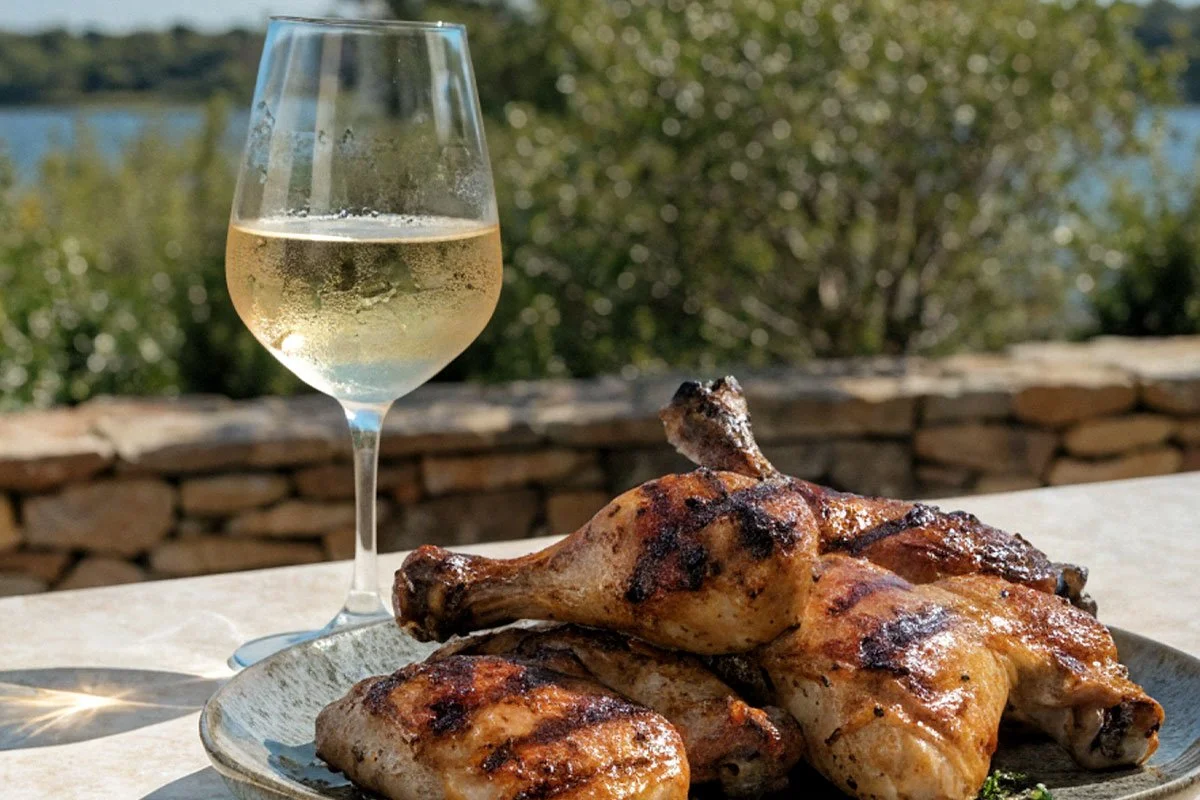
Chicken
Chicken is very fuel-sensitive compared to the other proteins.
Gas
Delicate browning.
Wine direction:
Pairs nicely with crisp, aromatic whites or lighter reds.
Charcoal
Skin takes on smoke and char.
Fat and seasoning intensify.
Wine direction:
Structured whites with texture
Medium reds with soft tannin
Wines with herbal or savoury notes can echo smoke
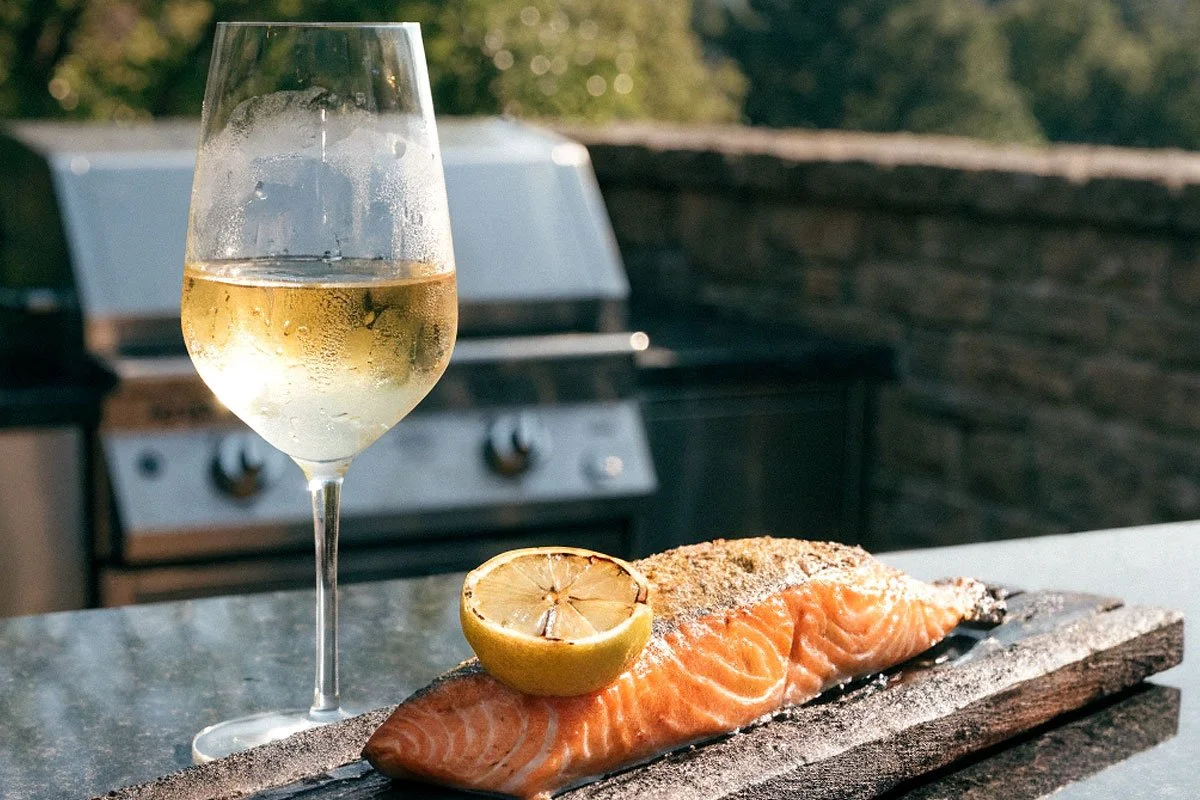
Fish (Including Cedar Plank Salmon)
Gas
Cleaner cedar aroma.
Less aggressive char.
Wine direction:
Fresh, mineral whites
Aromatic styles with acidity
Charcoal
Deeper caramelization.
More pronounced char bitterness.
Wine direction:
Whites with more body and texture
Lighter reds with low tannin
Wines that can handle smoke without being overwhelmed
The fuel changes how assertive the wine can be.
Sausages
Sausage is already structured (fat + salt + spice).
Gas
Cleaner finish.
Wine direction:
Bright acidity
Moderate alcohol
Fresh red or robust white
Charcoal
Smoke integrates with spice.
Wine direction:
Wines with savoury complexity
Earth-driven reds
Structured whites depending on seasoning
Brick Oven Pizza
Pizza is about:
High heat
Rapid caramelization
Acid (tomato)
Fat (cheese)
Wine direction:
High acidity is essential
Moderate tannin
Earth or herb notes often complement wood-fired crust
The intensity of a true brick oven allows wines with more personality.
A Practical Takeaway Cheat Sheet for Backyard Grillers
If you cook primarily on gas:
Focus on fruit clarity and acidity.
Avoid overly aggressive tannins unless the dish is very rich.
If you cook over charcoal or hardwood:
You can confidently open more structured wines.
Smoke and fat soften tannin and amplify savoury notes.
If you use pellets:
Think balance.
Moderate structure usually performs best.
If you cook in a brick oven:
Embrace acidity.
Look for wines that complement caramelization and texture.
A Summary BBQ Fuel Snapshot
Your fuel choice doesn’t dictate a single grape variety, but it does shift the structural balance that works best. You don’t have to be rigid about it (unless you want to, of course), so at the highest level, here is a summary overview to keep in mind.
Gas → Bright fruit, fresh acidity, moderate structure
Pellet → Balanced structure, polished tannin, integrated oak
Charcoal → Firmer tannin, savoury notes, deeper structure
Brick Oven → High acidity, moderate tannin, texture-focused wines
Why All of this Matters
Fuel isn’t just a heat source.
It is an ingredient (especially true when the fuel is hardwood lump charcoal or wood).
And when you understand how fuel (as an ingredient) affects flavour architecture, you move from “wine with dinner” to intentional pairing.
For those of us who love both fire and wine, that shift elevates the entire backyard experience.
Fire is an Ingredient
Most backyard grillers think about seasoning, marinade and cooking time. Few think about fuel as a flavour component.
But gas, charcoal, pellets and wood-fired ovens all shape flavour differently. They alter aroma, bitterness, sweetness perception and texture — and those structural shifts influence what happens in the wine glass.
When you begin to see fire as an ingredient rather than just a heat source, pairing becomes more intentional. Wine selection becomes less about rules and more about understanding structure — how smoke interacts with tannin, how char affects acidity, how fat reshapes balance.
This way of thinking sits at the heart of the Northern Barbecue™ perspective: approaching live-fire cooking not as a single style, but as a system — one that connects culture, technique and flavour architecture (and yes, even a nice bottle of wine).
And once you start paying attention to the fuel cooking your food, you may find that what’s in your glass becomes just as deliberate as what’s on your plate.
By Chef Mike Belobradic
Frequently Asked Questions
Does charcoal grilling change wine pairing?
Yes. Charcoal and hardwood introduce smoke aromatics, subtle phenolic bitterness and deeper savoury notes that can soften tannin and support more structured wines. Compared to gas grilling, charcoal-cooked food can handle firmer tannins and wines with earth-driven or savoury character.
Is wine pairing different for gas grills?
Often, yes. Gas grilling produces cleaner combustion with minimal smoke influence. Because the flavours are driven more by the ingredient and surface browning, wines with bright fruit, fresh acidity and moderate tannin typically perform well.
What wine pairs best with smoked steak?
Smoked or charcoal-grilled steak can support wines with more structure. The combination of fat and smoke helps buffer tannin, allowing fuller-bodied reds or savoury, structured styles to feel balanced rather than aggressive.
Does fuel type really affect flavour that much?
Absolutely. Fuel is not just heat — it contributes combustion compounds, aromatic intensity and bitterness perception. These structural elements directly influence how acidity, tannin and alcohol are perceived in the wine.
What wine pairs best with cedar plank salmon?
The answer depends on the fuel source. Gas-grilled plank salmon tends to highlight cedar aroma and freshness, favouring crisp, mineral whites. Charcoal adds deeper caramelization and subtle smoke (on top of the smokiness from the plank itself—which can be too much for some palates), allowing fuller-bodied whites or even lighter reds with low tannin to work beautifully.