
The Science of Heat: Radiant, Conductive, and Convective Cooking Explained
Want to be a Better BBQ Cook? You don’t need more recipes (You need to know this)
A lot of frustration that people have with grilling over charcoal or live fire comes down to one thing: they don’t actually understand how heat moves. They follow a recipe, copy a technique, or try their hand at something they saw in a 60‑second video, but they’re missing the underlying physics that make those steps work.
Whether you’re cooking on a kamado, a kettle, a Santa Maria or in a wood-fired oven, heat transfer is the foundation of live‑fire cooking. Once you understand it, everything else becomes easier, more predictable, and more repeatable.
Want to be a better outdoor cook? This is what you need to know.
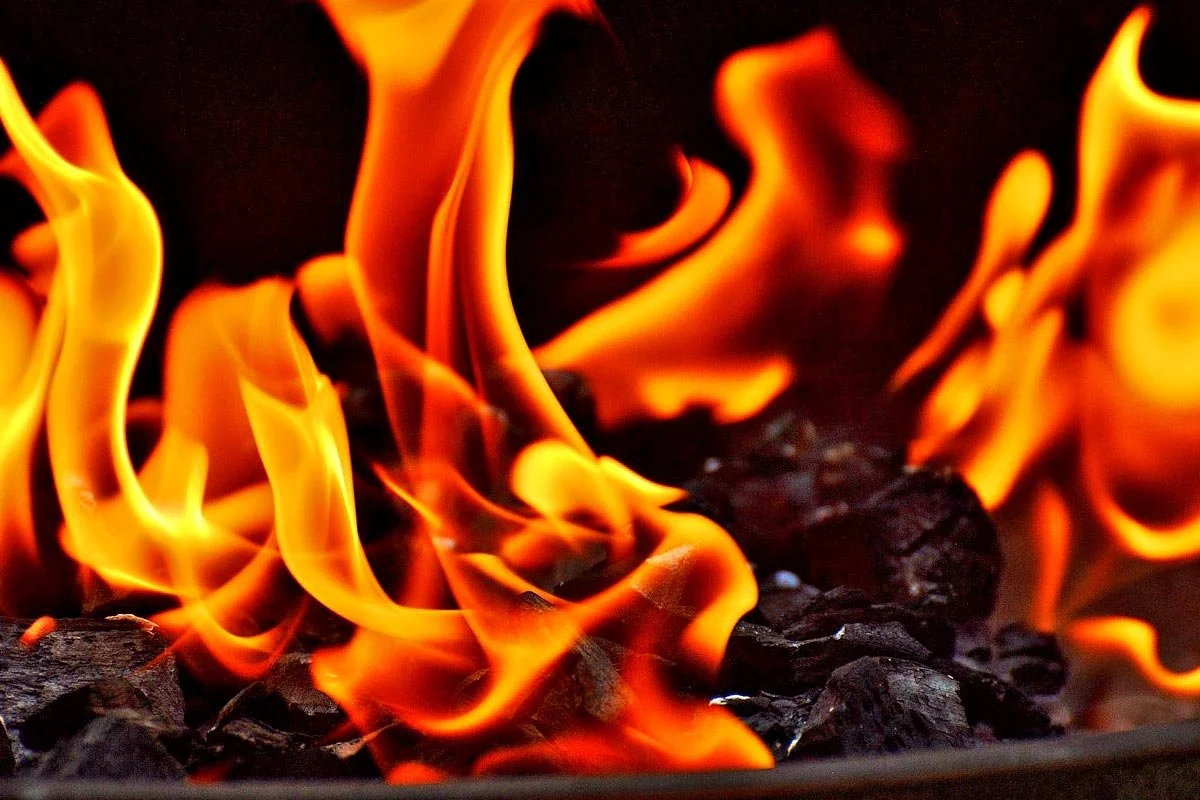
Radiant Heat: The Direct Line to Browning
Radiant heat is energy that travels in straight lines from the heat source to the food. This is the one that gives you those eye-catching desirables: searing, browning, crust formation and grill marks
As you can guess by those examples, radiant heat is intense, directional, and fast. When you place a steak directly over hot coals, you’re cooking primarily with radiant heat.
Understanding radiant heat helps you control a few important things:
How quickly the exterior browns
How thick your crust becomes
How to avoid burning the outside before the inside cooks
This is why “just crank up the heat” isn’t a strategy. It’s a bit of a gamble. With a little knowledge, it can (at least) become an educated gamble.
Conductive Heat: The Power of Contact
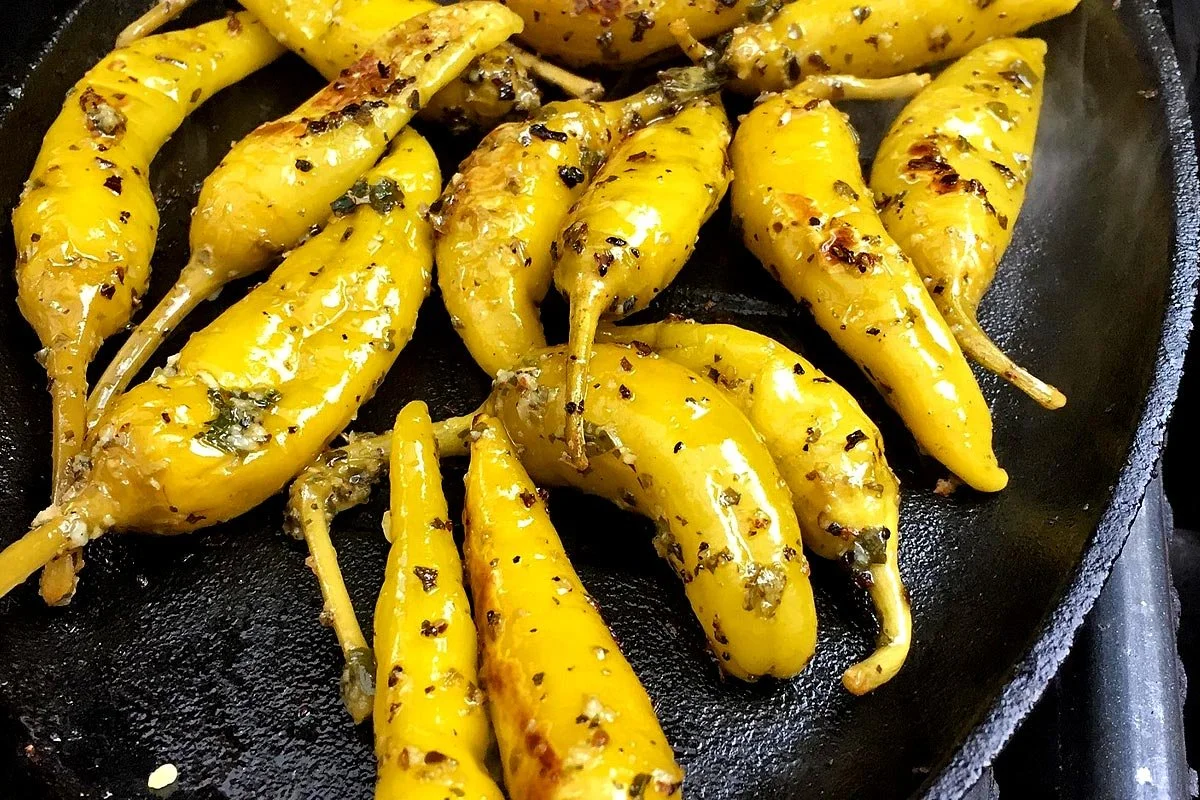
Conductive heat is what happens when food touches a hot surface — a cast‑iron pan, a plancha, a griddle, or even the grill grates themselves.
Conductive heat is the most efficient form of heat transfer because the energy moves directly from one surface to another—by touch.
As a result, some things start to make sense:
Like why cast iron creates a better and more even crust than open grates
Why smashburgers actually work and
Searing in a pan is more consistent than searing over open flame
Conductive heat is controlled, predictable, and ideal for precision browning. Now, personally I like a good open flame sear, but if you’re looking for a consistent and even crust, then a pan sear on cast iron will do it.
Convective Heat: The Quiet Workhorse
Then there’s convective heat, which is the most gentle of the three. Convective heat is the movement of hot air around the food (like the fan in a convection open). This is what happens when you cook with the lid closed.
Convective heat is responsible for a few important things, including:
Even cooking
Gentle finishing
Smoke circulation
Temperature stability
Convective heat is how you cook thick cuts of protein without burning the outside. It’s also why two‑zone cooking works so well — you sear with radiant heat, then finish with convection.
The Real Magic of Heat is all in the Interaction
Great live‑fire cooking isn’t about choosing one type of heat over another. It’s about understanding how they work together. In many cases, you will use combinations of these, maybe without really thinking about it.
A perfect steak uses:
Radiant heat for the crust
Conductive heat for even browning
Convective heat for a gentle finish
A whole chicken uses:
Convective heat for the cook
Radiant heat at the end for crisping or browning
A cast‑iron skillet uses:
Conductive heat for searing
Convective heat when the lid goes down
Once you understand the different types of heat at your disposal and how each one contributes to the end product you want, you can stop relying on hacks and start cooking with intention.
Heat isn’t a vibe.
It’s a science — and mastering it is the key to mastering the grill.
By BBQ Chef Mike Belobradic
Creator of the Northern Barbecue™ Method