
Why Does Some Lump Charcoal Spark?
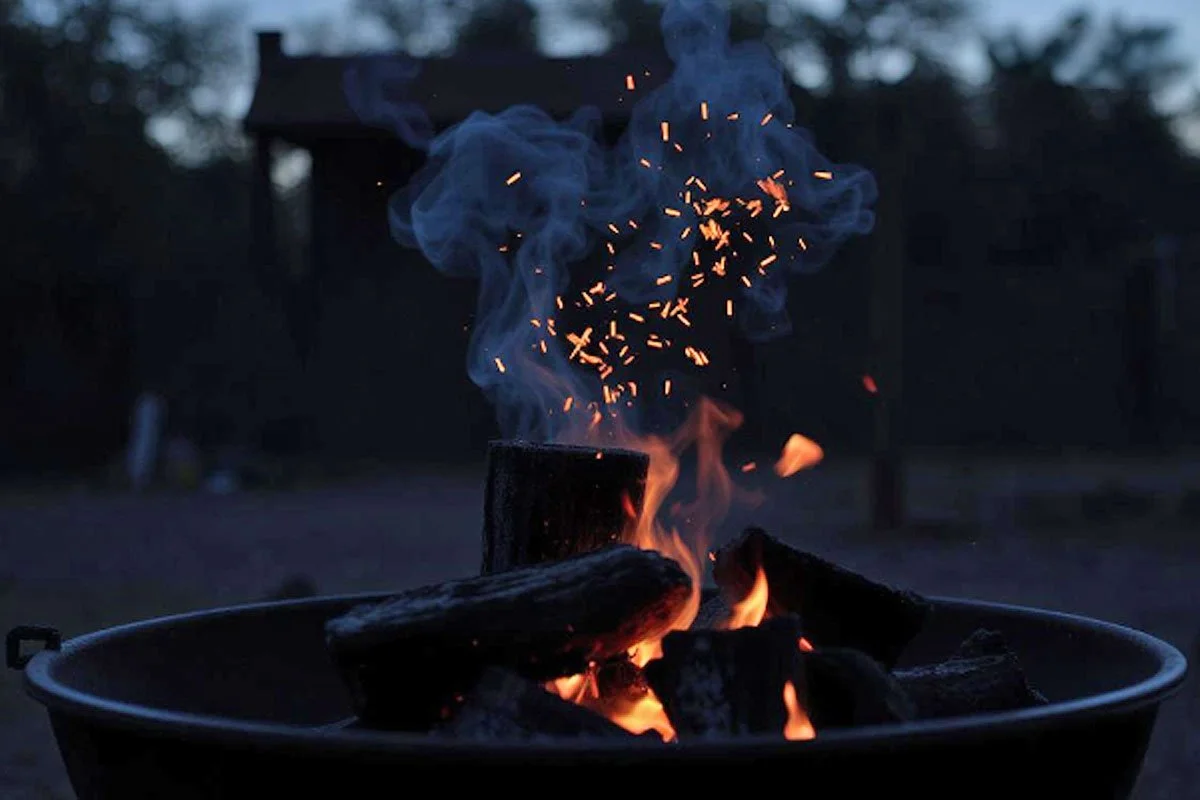
And should you worry about it?
If you’ve ever lit a chimney of hardwood lump charcoal and seen sparks shoot out like tiny fireworks, you’re not alone. Whether this is “normal” is one of the most common questions I get from people new to charcoal cooking:
“Why does my lump charcoal spark — and is it dangerous?”
The short answer: Sparks from charcoal is normal. It happens for a few specific reasons, and it’s usually nothing to worry about.
But the long answer is more interesting — and it has a lot to do with how charcoal is made, what separates good charcoal from bad, and why the Northern Barbecue™ Method relies on real hardwood fuel.
What Causes Lump Charcoal to Spark?
For starters, let’s look at how they make hardwood lump charcoal.
Hardwood lump charcoal is made by burning wood in a low‑oxygen environment until it carbonizes. But not all wood — and not all charcoal — behaves the same way under these conditions.
With that as a backdrop, here are the main reasons why some lump charcoal sparks:
1. Natural Wood Resins and Sap
Some hardwoods contain more sap, oils, or resins than others. When those pockets heat up, they can pop, crack, spark and flare briefly.
This is completely natural, but it can cause a bit of surprise, especially the first time it happens to you. It’s the same reaction you experience when burning real firewood. In fact, people love that sparking and cracking ambiance when it’s in a fireplace or campfire… but maybe not so much when you’re standing over a grill.
2. Moisture Trapped Inside the Lump
No hardwood lump charcoal is fully immune to at least some sparking. Even high‑quality charcoal can hold a bit of moisture from storage conditions, humidity and even the original wood that was used to make the charcoal.
When moisture rapidly heats, it expands and escapes as steam — sometimes violently enough to create sparks.
3. Bark, Twigs, and Small Fragments
Cheaper lump charcoal, in my experience, can tend to spark a little more often. Plus, you’ll often find a few unexpected things in the bag. If you’ve bought enough charcoal, you’ve probably come across some the following common foreign objects in your charcoal bag:
bark
small branches
rocks or stones
debris or small pieces of concrete
Any of these types of things can react with heat (sometimes aggressively), which can create more sparks.
The difference with higher‑quality brands of lump charcoal is that they tend to use:
larger pieces of charcoal in the bag
cleaner wood as a source and
a more consistent carbonization process
Plus, the higher-end charcoal plants tend to do a better job of sifting out the unwanted or foreign objects.
All of this reduces sparking, but doesn’t eliminate it completely. After all, this is natural wood.
4. Incomplete Carbonization
If the charcoal wasn’t fully carbonized during the production process, small pockets of unconverted wood remain. When they ignite, they too can pop, spark and burn unevenly.
Again, this is more common in lower‑quality or budget lump charcoal. Just like the foreign objects above, if you’ve come across what looks like a piece of wood in your charcoal bag (that didn’t carbonize), it’s likely a lower-cost product. I’ve even had pieces that were clearly once a piece of cut wood (like a 2 x 4), so anything can happen.
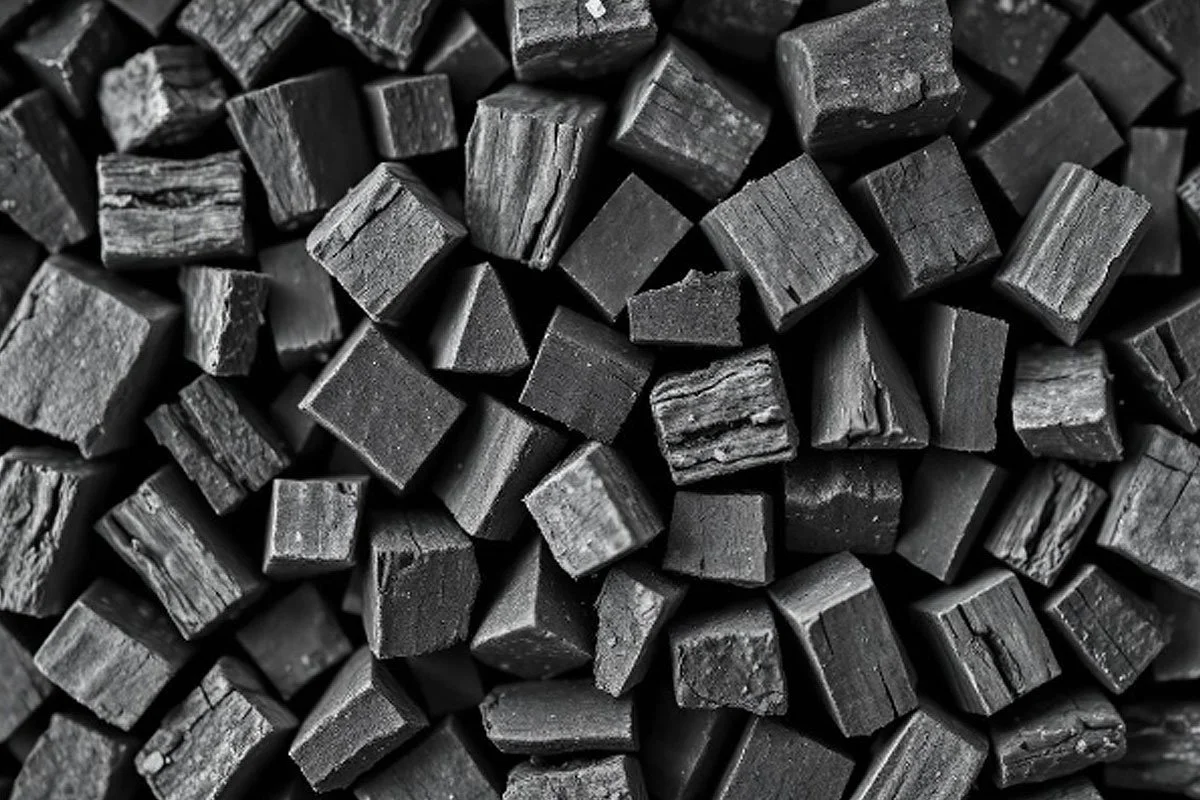
Is Sparking a Sign of Cheap Charcoal?
Not always... but often that’s the case.
Sparking can happen with any brand at any price point.
But here’s the nuance: cheaper charcoal tends to spark more because it often contains more bark, more small pieces, more inconsistencies and has less uniform carbonization
High‑quality charcoal tends to spark less because it’s made from better hardwood, carbonized more thoroughly and sorted for size and consistency
However, even the best brands can spark — especially when lighting a chimney full of mixed‑size pieces.
Is Sparking Dangerous?
In normal use and under safe circumstances, generally no.
The sparks aren’t usually dangerous, but you will feel it if a spark hits your bare skin (trust me, that is from experience).
Sparking is a natural part of lighting lump charcoal. It looks dramatic (especially after dark), but it’s rarely a safety issue if:
you’re using a chimney starter
you have proper airflow
you are in a safe area to light the charcoal, away from anything that may ignite and
you keep your guests clear of the area
The sparks burn out quickly and don’t carry enough heat to cause damage — unless they land on something very flammable.
When Sparking Charcoal Can be a Concern
These points are all common sense tips to keep you safe, but, for the record, sparks can become a concern if you are:
lighting charcoal indoors (never ever do this)
lighting charcoal near dry leaves or debris
using accelerants (also never ever do this)
In a normal outdoor setup, sparking is simply part of the show. But safety should always be in your head when working with live fire of any kind.
How to Reduce Sparking
Here are a few things you can do if you want less sparks:
1. Choose larger pieces of lump charcoal
Bigger chunks usually means fewer bark bits, and therefore less sparking.
2. Store charcoal in a dry place
Moisture increases popping. Always keep your charcoal bags in a dry, sheltered spot.
3. Avoid dumping the bag dust into your chimney
Take care when filling your charcoal chimney to avoid having the tiny fragments ignite aggressively This is particularly true when you get to the end of the bag, because the dust tends to settle at the bottom.
4. Light charcoal gradually
A full blast of airflow can exaggerate sparking. Lighting charcoal naturally and gradually in a charcoal chimney can help… but it won’t eliminate sparks if any of the spark-friendly conditions exist.
Sparking is just one of the many natural behaviours of real wood fuel — and learning how to work with it is part of becoming a confident fire cook.
By BBQ Chef Mike Belobradic
FAQ: Lump Charcoal and Sparks
Why does my lump charcoal spark when I light it?
Sparking happens when natural resins, moisture, or small fragments in the charcoal heat rapidly. It’s generally normal and usually nothing to worry about.
Is sparking a sign of cheap charcoal?
It can be, but it’s not exclusively cheap charcoal that sparks. It’s true that cheaper charcoal tends to spark more because it has more bark and smaller pieces, but even premium brands can spark.
Is sparking dangerous?
In normal outdoor use, no. The sparks burn out quickly. Just avoid lighting charcoal near dry debris or indoors. Stand clear after you light the bottom of your chimney to avoid any initial sparks as it heats up.
How do I stop charcoal from sparking so much?
Use larger pieces, store charcoal in a dry place, avoid bag dust, and light it gradually.
Does lump charcoal spark more than briquettes?
Yes. Lump charcoal is natural wood, so it pops and sparks more than compressed briquettes.
Can I still use sparking charcoal safely?
Absolutely. Sparking is a normal part of live‑fire cooking and not a sign of unsafe fuel.