
8 Ways to Cook with Spirits on the Grill and Smoker
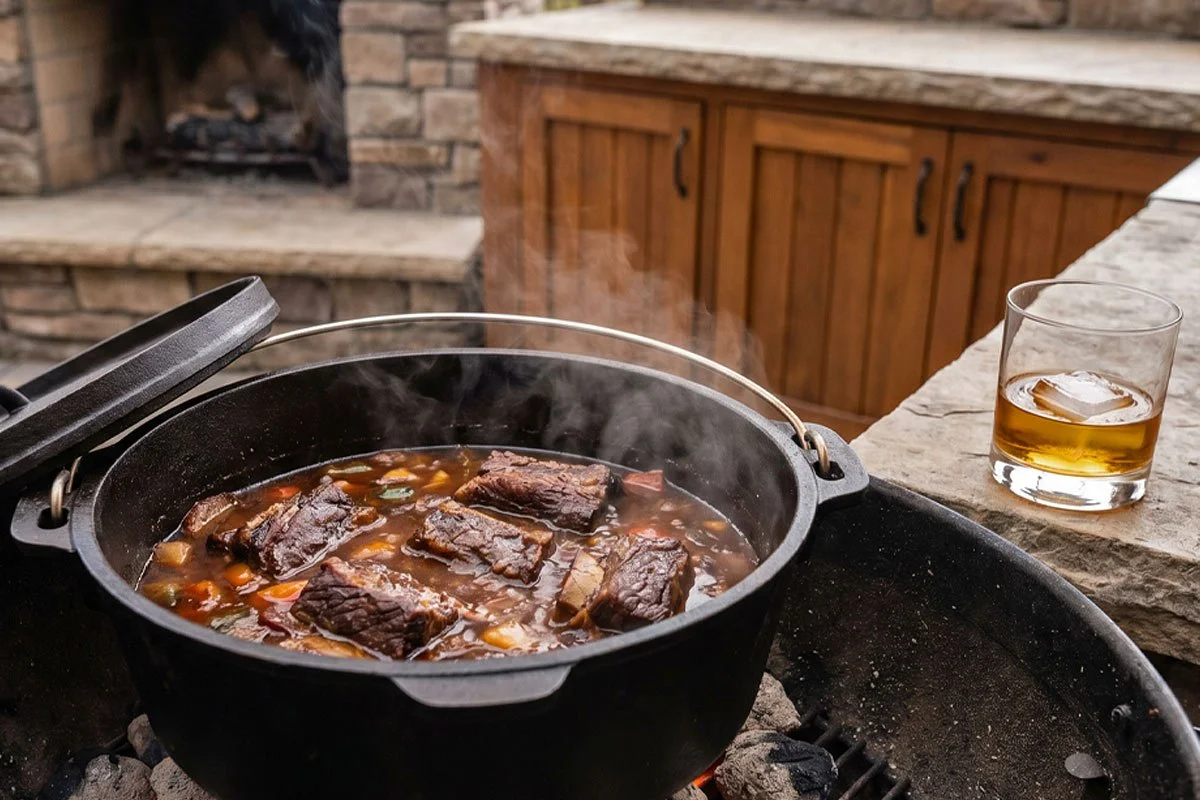
From whisky glazes and rum marinades to tequila, gin, brandy, and mezcal, these are practical ways to bring distilled spirits into your live-fire cooking.
When most barbecue cooks think about cooking with spirits, one bottle usually comes to mind: bourbon.
Bourbon has definitely earned its place in live-fire cooking, but it’s only one part of the story. Distilled spirits of many kinds can add sweetness, spice, fruit, herbal character, smoke, and complexity to everything from marinades and glazes to sauces and braising liquids.
So whether you like whisky, rum, tequila, gin, brandy, or mezcal, there are a ton of great ways that you can use spirits as ingredients, and not just as something you pour into a glass while tending the fire.
Eight Ways to Elevate Your Barbecue with Spirits
Here are eight practical ways to put spirits to work on your grill and smoker, no matter what type of fuel you’re using.
1. Build Better Glazes with Whisky or Bourbon
Best Spirits: Bourbon, wheated bourbon, rye whiskey, Canadian whisky
Works Well With: Pork ribs, pork belly, ham, chicken wings
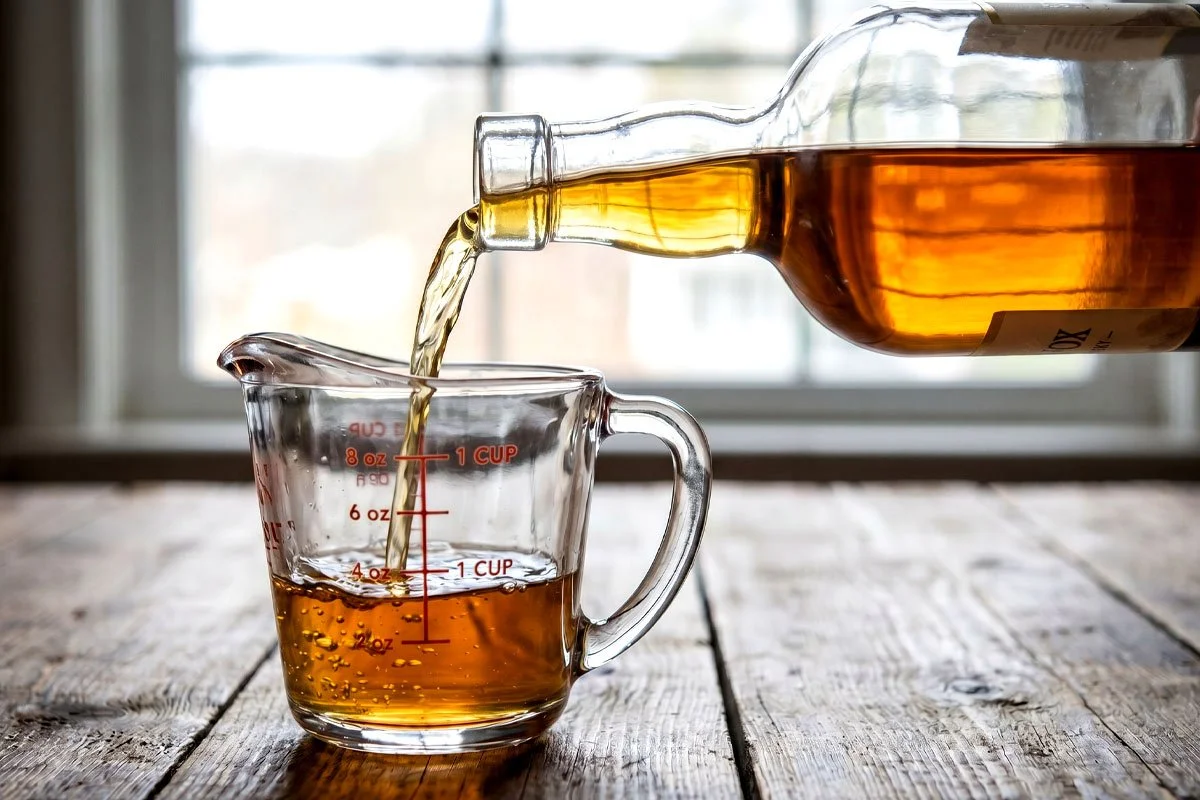
Whiskies and bourbons can contribute several things to a dish: sweetness, oak influence, spice, and caramel notes, all of which pair naturally with smoke.
One of the easiest ways to incorporate spirits into barbecue is through a glaze.
As the alcohol cooks off, flavours from the barrel and the spirit become concentrated. Bourbon can add notes of vanilla and caramel, while rye whiskey contributes pepper and baking spice.
Using spirits in this way – as part of a glaze, rather than the dominant ingredient – is a great way to achieve the ultimate goal: a balance of flavour, not a cocktail on your ribs.
2. Deglaze Cast Iron for Steakhouse-Style Sauces
Best Spirits: Canadian whisky, bourbon, brandy, Cognac
Works Well With: Steaks, chops, burgers, venison
Spirits are an excellent way to deglaze cast iron. This approach will help to dissolve flavourful browned bits from the pan, while adding another level of depth and complexity.
After cooking steaks over charcoal or wood, deglaze your cast iron skillet with a splash of whisky or brandy. Add shallots, garlic, herbs, stock, and butter to the pan, and you’ll have a rich sauce that rivals anything from a traditional steakhouse.
Brandy and Cognac are very effective here because their fruit character complements grilled beef without overwhelming it. Experiment with different spirits until you find the one that gives you the flavour you like.
3. Use Rum in Marinades
Best Spirits: Dark rum, aged rum, agricole rum
Works Well With: Pork, chicken, shrimp
Rum punch isn’t the only way to bring this favourite spirit into your backyard barbecue. Rum is a classic that can add sweetness, fruit character, and complexity that all work very well with fire-cooked foods.
Rum is one of the most underused spirits in barbecue and that’s a shame.
Dark and aged rums pair naturally with pork and chicken, especially when combined with citrus, garlic, and spices. Agricole-style rums can bring grassy, earthy notes that complement grilled seafood and vegetables.
The result is a marinade that feels a little different from the usual barbecue playbook. Try it and see what you think.
4. Add Spirits to Braising Liquids
Best Spirits: Bourbon, whisky, brandy, dark rum
Works Well With: Short ribs, chuck roast, beef cheeks, lamb shanks
Another great use for spirits is to add depth and complexity to any braise, because spirits will integrate with stock, rendered fat, and meat juices.
After several hours in a smoker, tough cuts can benefit from a covered braising stage. I tend to do this with beef short ribs.
A small amount of spirit can add another dimension to the cooking liquid. Bourbon works very well with beef, while brandy can shine with lamb and richer cuts of pork.
Like wine, spirits should support the dish rather than dominate it, so practice restraint when you are just starting out with this one.
5. Use Tequila for Bright, Fresh Marinades
Best Spirits: Blanco tequila, lightly aged reposado tequila
Works Well With: Chicken, shrimp, fish, pork tenderloin
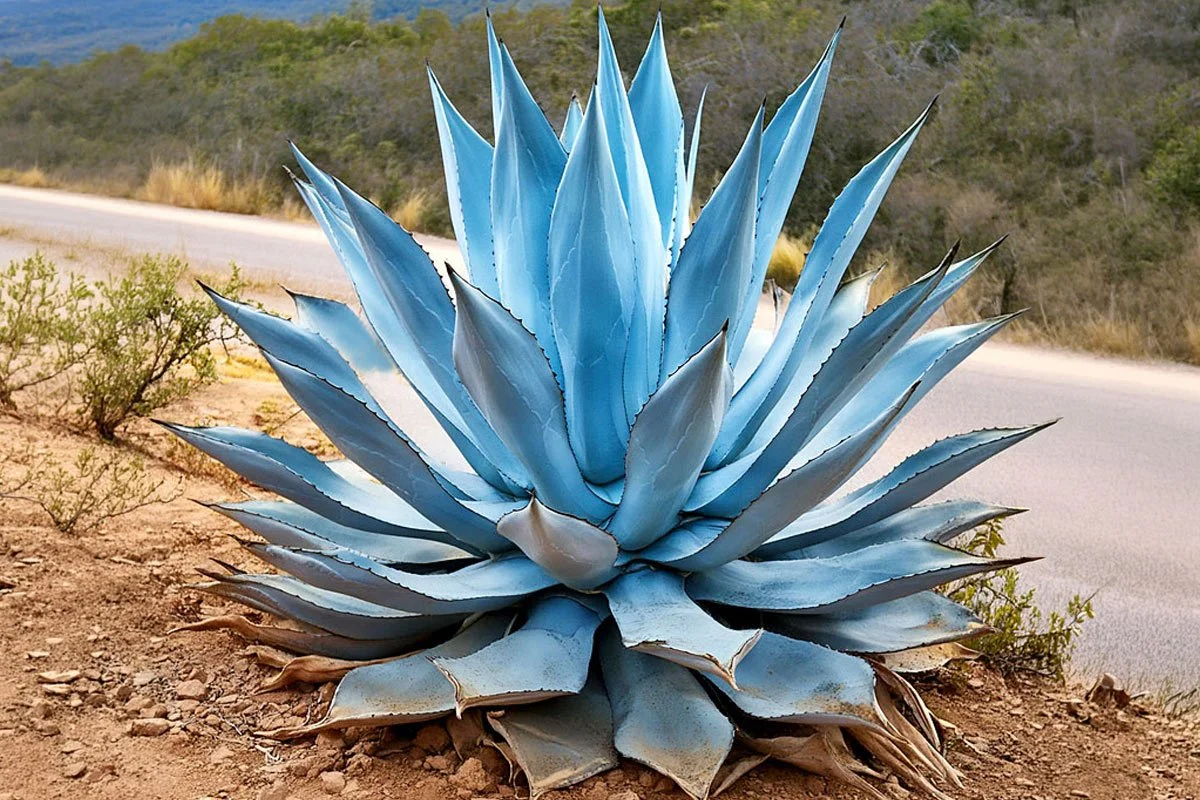
Tequila is another spirit that belongs at any festive barbecue occasion. Margs are great for guests, but tequila's earthy agave character also pairs naturally with citrus, herbs, and spices as part of your food prep.
Tequila marinades are particularly effective in warm-weather grilling.
When combined with lime, garlic, cilantro, and peppers, tequila helps to create vibrant flavours that work very well with seafood and poultry.
Blanco tequila tends to give the cleanest flavour profile, while a lightly aged reposado can add subtle complexity. Experiment until you find the one that gives you the result that’s most pleasing to your dish.
6. Experiment with Gin in Herb-Forward Dishes
Best Spirits: London Dry gin, citrus-forward gin, botanical craft gin
Works Well With: Salmon, trout, chicken, asparagus, grilled vegetables
Gin is another spirit that I find often gets forgotten in the outdoor kitchen. That’s a shame because gin's botanicals can complement herbs and fresh ingredients in ways that few other spirits can match.
The botanical profile that’s inherent in gin can reinforce ingredients that are already found in many outdoor recipes, including rosemary, thyme, citrus, juniper, and coriander.
Gin works best in shorter cooks, finishing sauces, compound butters, and marinades where its aromatic qualities remain intact. You don’t want to burn off gin for too long or you end up losing the very qualities that make gin desirable. So always keep that in mind and treat it with the delicate approach it requires.
For cooks in craft distillery regions, this can be a particularly fun category to explore.
7. Layer Smoke with Mezcal
Best Spirits: Espadín mezcal and other traditionally produced mezcals
Works Well With: Beef, lamb, grilled vegetables
Mezcal is truly magical at the grill and introduces a different style of smoke than wood-fired cooking alone.
Mezcal offers earthy, smoky flavours that can complement charcoal and wood cooking when used carefully.
A small amount added to a finishing sauce or marinade can provide complexity that differs from the smoke produced by oak, hickory, maple, or fruit woods.
The key here is restraint. A little mezcal goes a very long way. So be very careful with that pour. You can always add more, but you can’t take it away.
8. Finish with Spirit-Based Sauces and Butter
Best Spirits: Brandy, whisky, rum, gin
Works Well With: Steaks, seafood, grilled fruit, vegetables
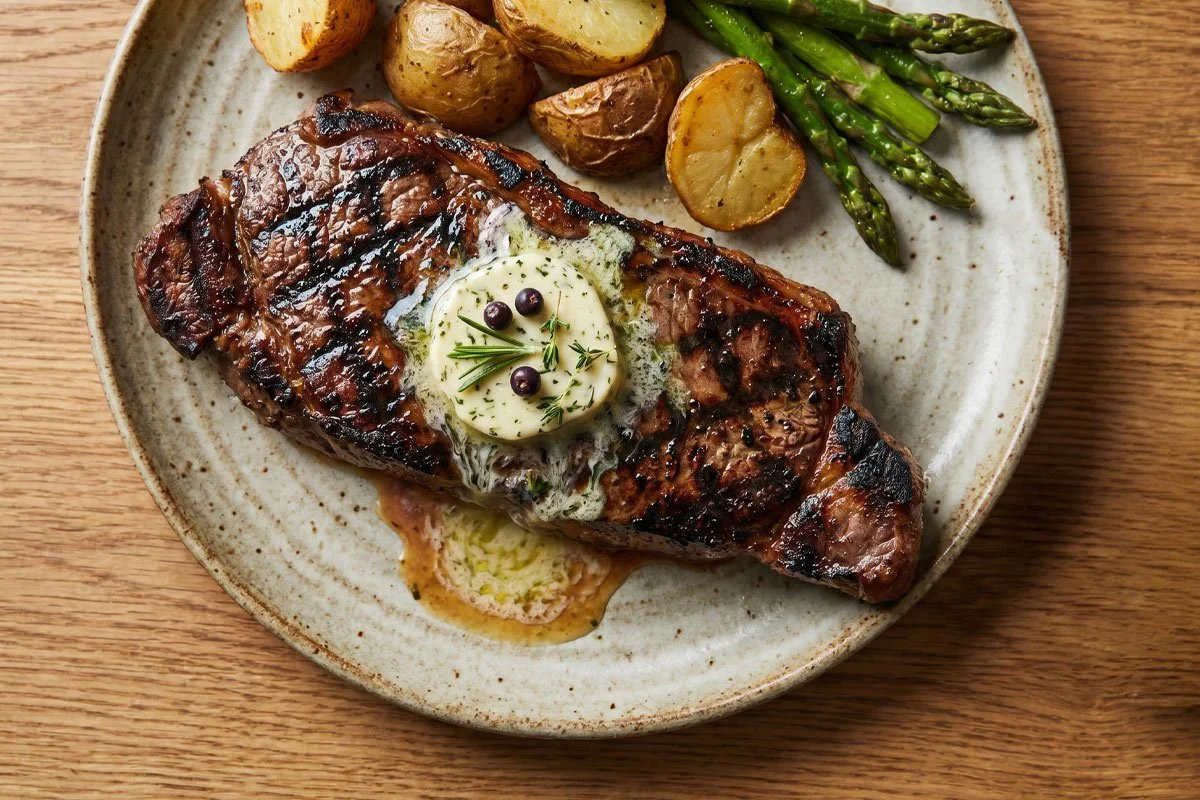
Finishing sauces are an easy and approachable way to allow almost any spirit to contribute flavour without prolonged cooking.
One of the easiest and most effective ways to use spirits is at the very end of the cook.
A whisky butter melting over a steak, a rum caramel sauce drizzled over grilled pineapple, or a gin-herb butter that’s spooned onto grilled salmon… they can all elevate a dish without requiring a lot of complex preparation on your part.
These finishing touches often deliver the most noticeable spirit character whiles still maintaining an all-important balance.
Think Beyond Bourbon When it Comes to Spirits and Barbecue
Bourbon may be the spirit that’s most commonly associated with barbecue, but it’s far from your only option.
Whisky, rum, tequila, brandy, gin, and mezcal all offer unique flavour profiles that can complement live-fire cooking in many different ways.
The next time you fire up the grill or smoker, consider setting aside a small measure for the food as well as the glass.
You may just discover an entirely new layer of flavour waiting beside the fire.
By Mike Belobradic
Founder of SmokeFireGrill™ and WSET accredited in Spirits.