
Choosing Wood Like You Choose Wine
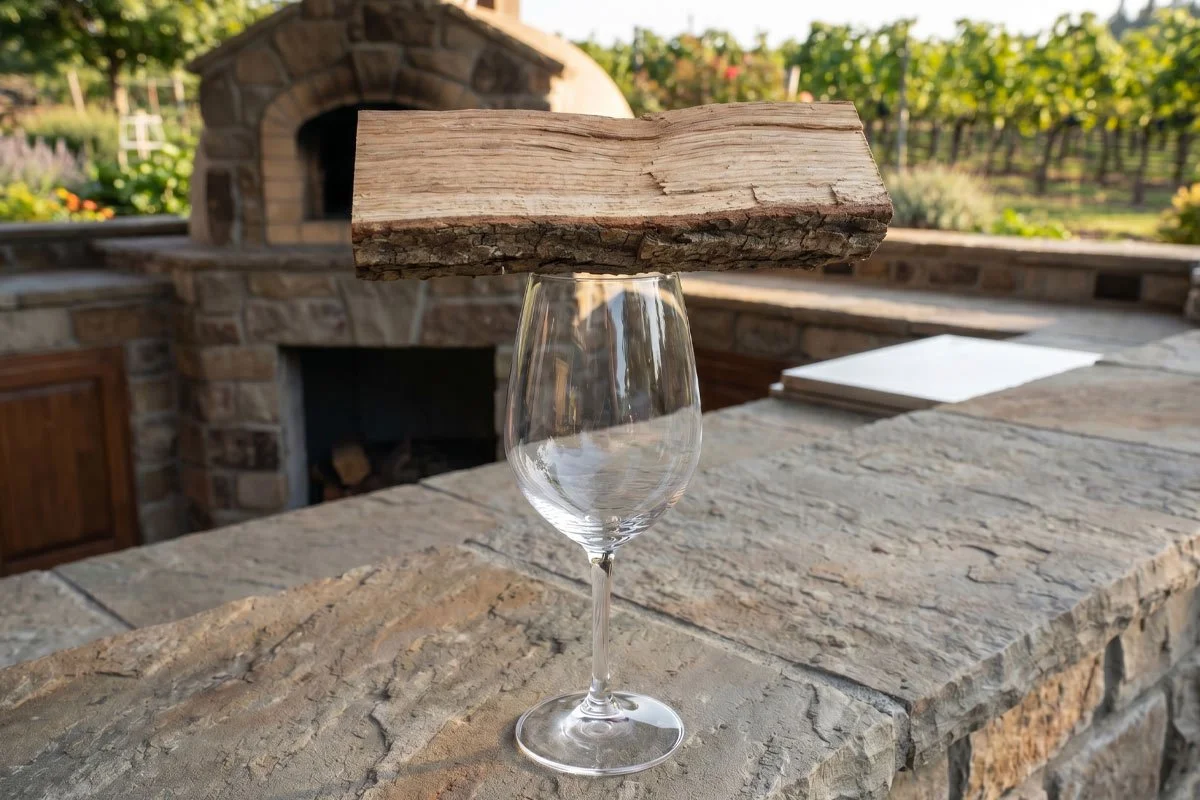
A Guide to Matching Oak, Maple, and Other Hardwoods to What's Cooking on the Fire
When you buy hardwood for cooking, do you consider how one type of wood might be different than another? You should.
If you've ever stood in a wine aisle weighing a Pinot against a Cabernet because you know one will fight with your dish and the other will lift it, you already have the instinct that this post is all about. And if you don’t know where to start, I’m here to help with that as well.
Wood selection deserves the same consideration as wine selection. It isn't just fuel — it's an ingredient, and like wine, it has body, character, and a relationship to whatever it's paired with.
TLDR: Oak is the reliable, full-bodied choice for long cooks and brick ovens. Maple and fruit woods (apple, cherry) suit delicate proteins like fish and poultry. Hickory and pecan handle fattier, heartier cuts. Mesquite is best saved only for quick, high-heat sears with beef. The right wood choice depends on cook time, protein, fat content, and whatever else is on the table — not popularity, name recognition or what’s in the bag at the corner store.
Wood Has a Vintage Just Like Wine
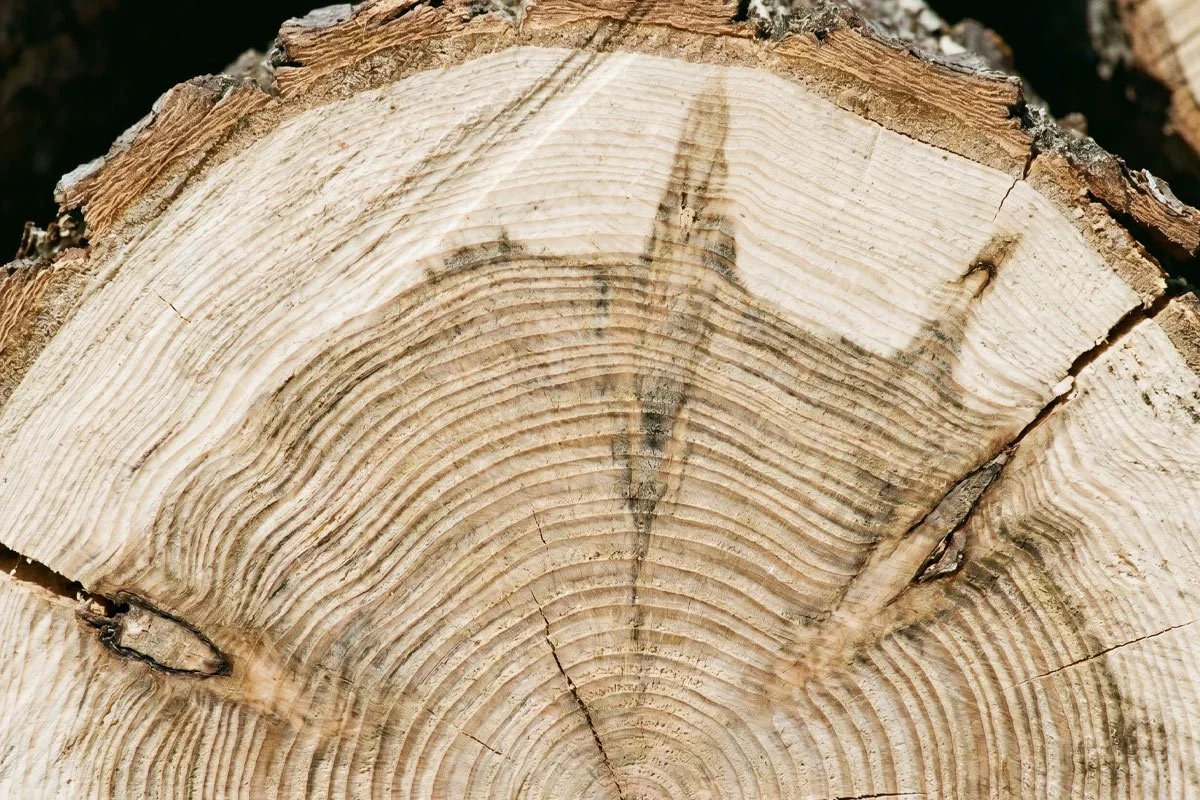
For wine tasters, a wine can tell you about its soil, sun, and the year it was grown. Wood can tell a similar story — the species, how it was seasoned, how long it sat, and what conditions it dried in. They all help to shape the smoke and heat it gives off.
A log that's been split and seasoned for a year burns differently than one cut two months ago, the same way a young, tight wine drinks differently than one that's had time to open up. Moisture content is your wood's vintage report: too wet, and you get acrid, bitter smoke, no matter how good the species is underneath.
Before you even ask "oak or maple," ask whether the wood in front of you is actually ready to cook with.
The Main Hardwoods, and What They're Made For
Just like grape varietals carry distinct personalities, hardwoods can be grouped into rough character traits worth knowing.
Oak
Oak is the Cabernet Sauvignon of firewood. It’s full-bodied, structured, and reliable under pressure. It burns long, holds a steady heat, and produces a moderate, well-rounded smoke that doesn't overpower. This is why oak is the backbone of a good brick oven fire and why it's the default choice for long and slow live-fire cooks: briskets, whole cuts, anything that's going to spend hours over coals and needs a fuel that won't quit or turn bitter halfway through.
Maple
Maple is softer-spoken — closer to a Pinot Noir. It burns a little cooler and sweeter, with a light, mild smoke that doesn't try to dominate. Maple is the wood to reach for when the food is the star and you want the fire to support rather than take over the dish. Maple is a solid choice for poultry, pork, vegetables, or anything delicate where a heavy smoke would mask more than it adds.
Hickory
Hickory is bold and assertive, like the Syrah/Shiraz of the wood pile. Hickory gives a strong, bacon-forward smoke that stands up to fatty, heavier meats, like pork shoulder or ribs. When you use hickory with restraint it's a classic; but if it’s used heavy-handed, it can bully a dish the same way an over-oaked, tannic red can flatten a delicate meal.
Fruit Woods (Like Cherry and Apple)
These are your aromatic whites, like a Riesling or Gewürztraminer. Cherry brings a mild sweetness and a beautiful mahogany color to the bark. Apple wood is even gentler, faintly sweet and fruity. Both are well suited to poultry, pork, and fish, or can be blended with a stronger wood (like oak) to round out sharper edges — the same way a splash of something aromatic can lift a blended wine.
Pecan
Pecan sits somewhere between hickory and fruit woods: it’s nutty, slightly sweet, milder than hickory, but with more presence than maple. Pecan is a good middle-ground choice, similar to reaching for a medium-bodied blend when you're not sure which extreme you want.
Mesquite
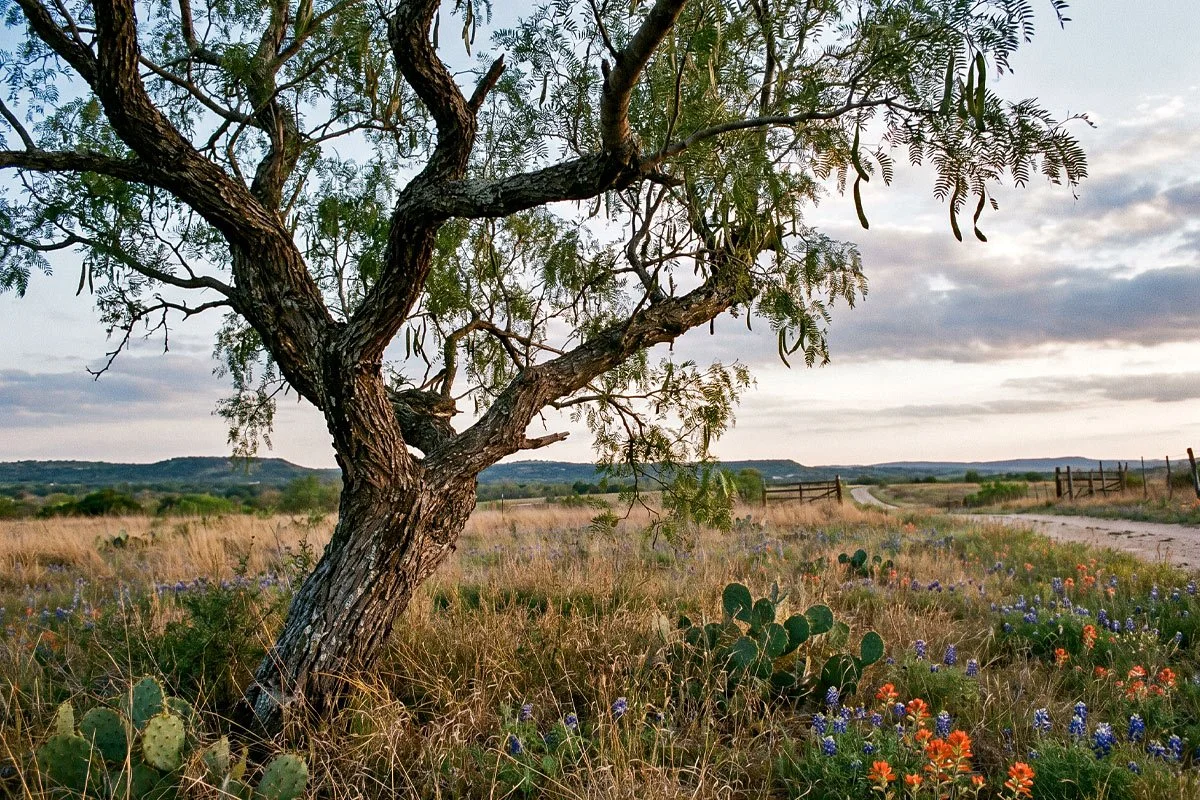
Mesquite is the wood not to be messed with. It’s the equivalent of a big, intense natural wine — distinctive, polarizing, and best in small doses. Its smoke is strong and earthy, best suited to quick, high-heat cooks like steaks, where the fire doesn't have time to overwhelm the meat. Treat mesquite with a watchful eye, because if it’s used for a long, slow cook, mesquite can turn bitter fast and ruin your food. Proceed with caution.
Matching Wood to What's Cooking
To choose a wood like you would a wine, the real shift is moving from "this is the wood I always use" to "what does this dish need." Here are a few questions worth asking before you start your fire:
How long is this cooking? Long, slow cooks call for a steady, moderate wood like oak that won't turn acrid over hours. Quick sears can handle something bolder, like mesquite or preferably hickory, because the exposure is brief.
How delicate is the protein? Fish, poultry, and vegetables generally want a lighter touch — maple, apple, or cherry. Heartier cuts like brisket or pork shoulder can carry a stronger wood without being overwhelmed.
What's the fat content? Fattier meats can stand up to (and even benefit from) a heavier smoke like hickory, since the fat renders and mellows the smoke's intensity. Leaner cuts show smoke more starkly, so a gentler wood keeps things balanced.
What am I serving with it? If you're already thinking about a wine pairing for the meal, let that inform the wood that you choose. A dish built around a big, tannic red might carry a stronger smoke just fine; something meant to sit next to a crisp white probably wants a lighter touch at the fire.
Brick Ovens Want Consistency
For wood-fired brick oven cooking, the considerations are slightly different. You're not just flavouring one piece of food — you're managing a heat source that the whole oven depends on for hours.
Oak is the standard here for a reason: it burns predictably, holds temperature well, and produces a clean, mild smoke that won't dominate a pizza or a loaf of bread the way mesquite or hickory would. Sometimes in a brick oven it’s good to layer in a bit of fruit wood toward the end of a cook for a final aromatic touch. This is similar to a last splash of something bright added just before a dish goes to the table — but the base fuel is almost always something dependable and even-tempered.
Wood Chips aren't an Afterthought
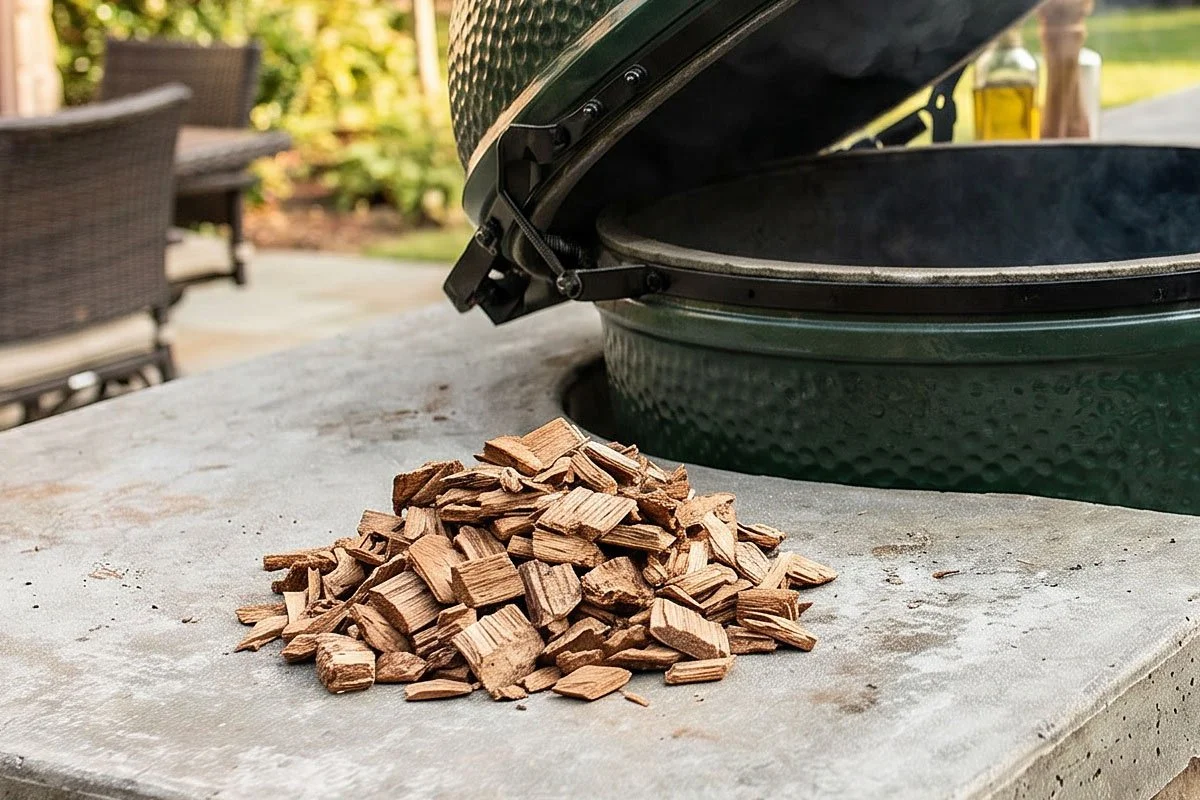
For smokers and charcoal grills, wood chips are where a lot of people default to autopilot — whatever bag is at the front of the store (or hickory as a default). But wood chips and chunks deserve the same species-first thinking as split hardwood logs, just concentrated into a shorter cook time. Because chips burn fast and hot, their flavour will impact your dish harder and quicker than a log's would over a longer burn time. That makes the delicate/bold distinction even more important:
Mild proteins (fish, chicken, vegetables) do well with apple or maple wood chips, where a little goes a long way.
Heartier cuts can take hickory or pecan chips without getting muddled.
Mesquite chips are best used sparingly and mixed with other wood chips rather than used as the sole flavour. Their intensity can turn even a shorter cook bitter very fast, so when in doubt choose something different.
Soaking wood chips is a matter of preference. Soaked chips will smolder and smoke longer, dry chips ignite faster and burn hotter, but either way, the species choice still comes first. A soaked mesquite chip is still mesquite; it'll still dominate a delicate fish fillet.
The Habit to Break
None of this means that every cook needs to be some major research project about wood species. It simply means that it’s worth treating the woodpile the same way you'd treat a wine cellar: knowing roughly what's in it, knowing what each bottle — or log — is good for, and reaching for the one that fits the meal rather than the one that's closest at hand. Sometimes that's still oak, the reliable house red. But knowing why you picked it, instead of picking it out of habit, is the whole difference between cooking and cooking with intention.
Next time you're loading the firebox, treat it like you're building a pairing. Ask what the dish needs, not just what's in the shed.
By Mike Belobradic
Founder of Smoke Fire Grill™ and the SFG Wine approach to culinary excellence.