
Do You Really Need Brisket on Your Barbecue Restaurant Menu?
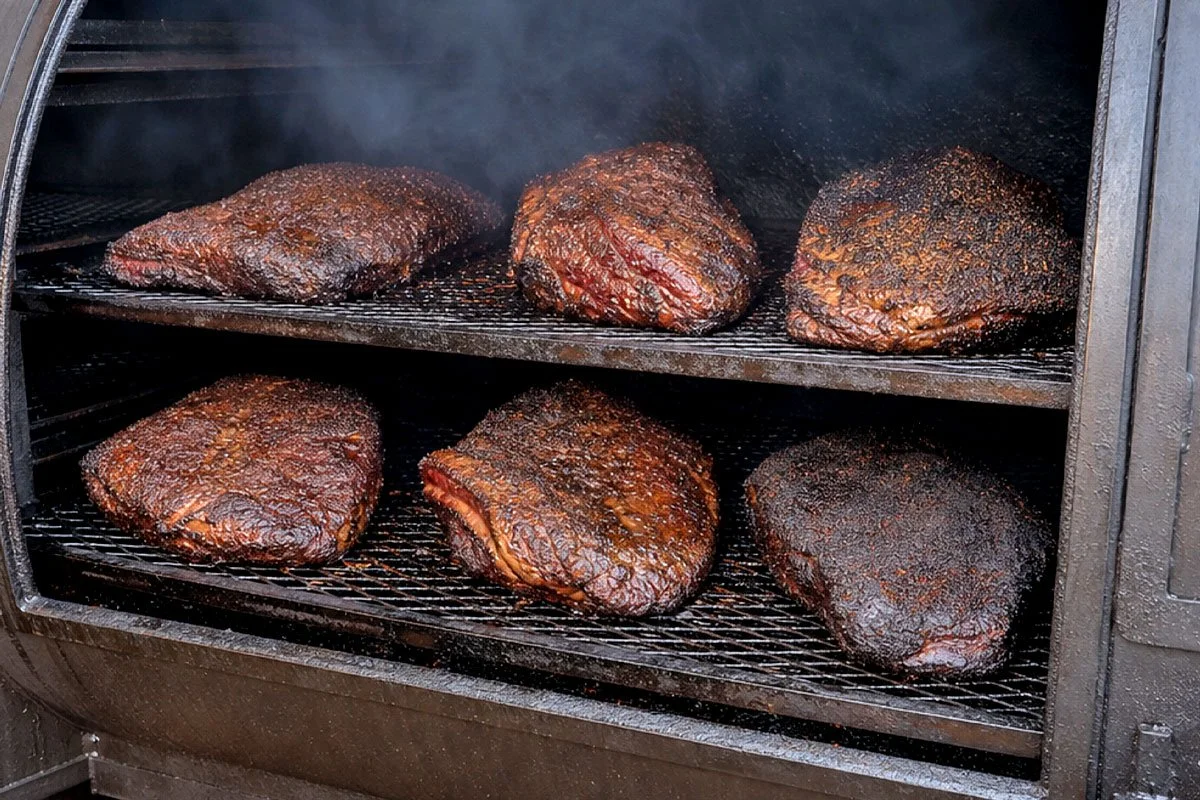
Rethinking the role of brisket on modern barbecue menus and different markets
Beef brisket is the centerpiece of many barbecue restaurant menus. In some cases, it defines them. In fact, restaurants in any local area will often have a friendly “competition” of whose brisket is the “best” and it’s arguably the king of live-fire barbecue dishes.
But does that mean that brisket has to be on every live-fire barbecue restaurant menu?
How Brisket Became the Default Menu Item
A good brisket carries with it a certain amount of menu weight (no pun intended). Many would-be restauranteurs view it as a dish that signals authenticity, skill and barbecue tradition. And there’s something to be said for all that.
I mean, what would it look like if you didn’t have brisket on the menu? Because of that, many aspiring barbecue restaurant operators feel that they have to include it. Not because it fits within their system, but because it’s expected to be on the menu.
And that is where the problems start.
The Reality of Cooking Brisket
Let’s look at a few of the less romantic things (aka the reality) about having beef brisket on your menu.
Brisket is a demanding protein. Consider all of the following:
Very long cook times
Tight margin for error
High protein cost
Varying consistency of the briskets themselves
Significant space commitment in the smoker
Not always easy to maintain consistency over live-fire
On top of all that, beef brisket also competes for resources with everything else on your menu.
If your system isn’t specifically built around the demands of creating consistently exceptional brisket on a daily basis, brisket can quickly become a strain and a weight on your operation rather than a strength.
When Beef Brisket Makes Sense on a Menu
So when would beef brisket make sense to be a star on your barbecue menu?
Brisket can work if you can confidently check all of the following boxes:
Your fire setup supports long, stable cooks
Your volume justifies the production
Your pricing can cover the cost (including profit margin)
You can source a quality product and produce consistent results
Your audience values it enough to make it viable
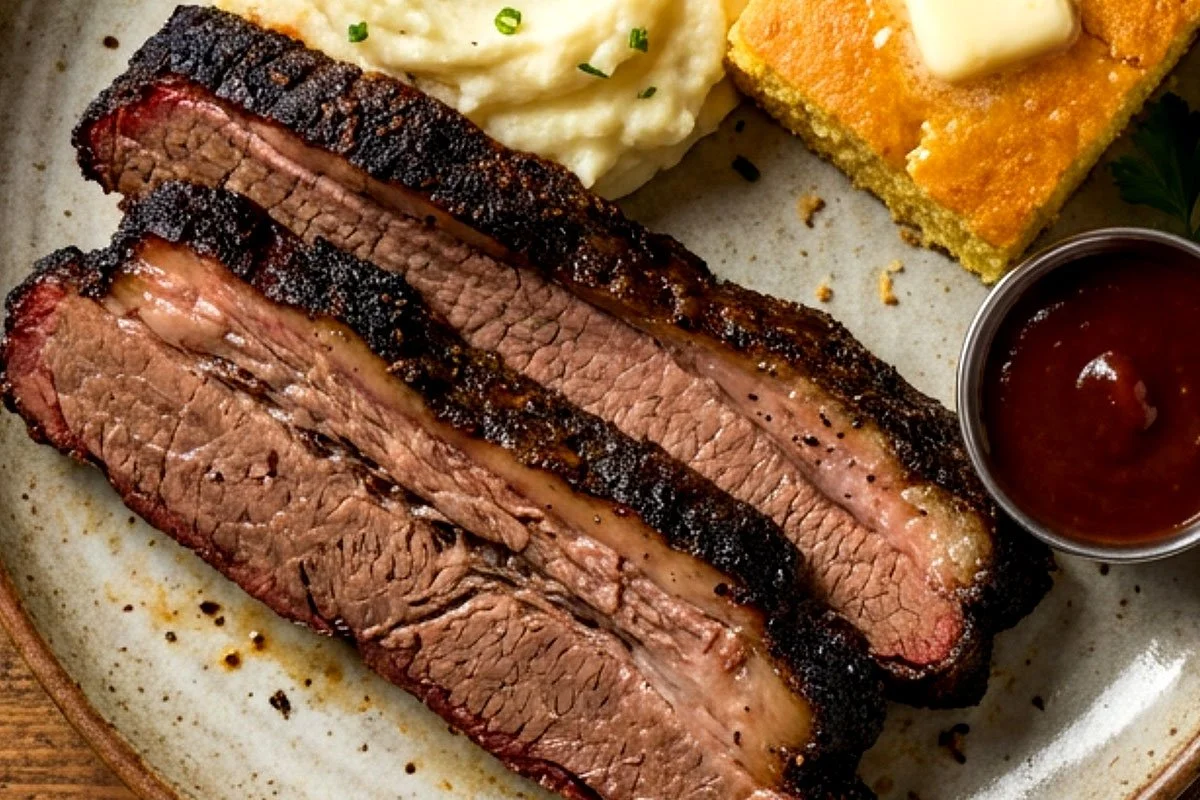
When these conditions are met, brisket can definitely anchor a barbecue menu and become the star.
Bear in mind, however, that if you have brisket on the menu, it has to be great. Bad or mediocre brisket will be a reputation killer. There’s no place for it. Barbecue diners have high expectations for brisket, so if you can’t meet your own demanding brisket quality, it can quickly work against the reputation of your entire restaurant.
When Brisket on the Menu Doesn’t Make Sense
On the flipside, brisket can also become a liability for your restaurant in a few other ways:
If it disrupts your overall flow
If it forces you to compromise on other items
If it drives up costs without a consistent return
If it’s added to your menu purely to have brisket on there, because you feel you have to
In any of these cases, it’s worth asking yourself a simple question and giving yourself an honest answer: are you building a strong menu for your restaurant, or are you trying to meet an expectation?
Building a Live-Fire Barbecue Menu Without Brisket
A strong barbecue menu doesn’t depend on having a single cut as a menu choice. If you can’t do it justice, or if it doesn’t fit your operational flow, then move on.
There are so many other ways to build your restaurant’s menu identity:
Cuts that suit your system better
Items that cook more efficiently
Products that align with your market
Items that you cook exceptionally well and that can become a signature dish
This is where differentiation happens.
The point is that if you’re struggling because you feel some sort of pressure to have brisket on the menu, keep in mind that brisket isn’t mandatory.
It’s a choice.
And like any menu decision for your establishment, menu options should always be based on how they fit your fire, your flow, and your market—not just on general barbecue tradition.
If you’re designing or refining a barbecue menu, this is one of the most important decisions you will make.
Be sure to read my post on why most barbecue restaurant menus fail.
By Mike Belobradic
Founder of Smoke Fire Grill™ and the Northern Barbecue™ Method of Live-Fire Cooking