
Why Most Barbecue Restaurant Menus Fail
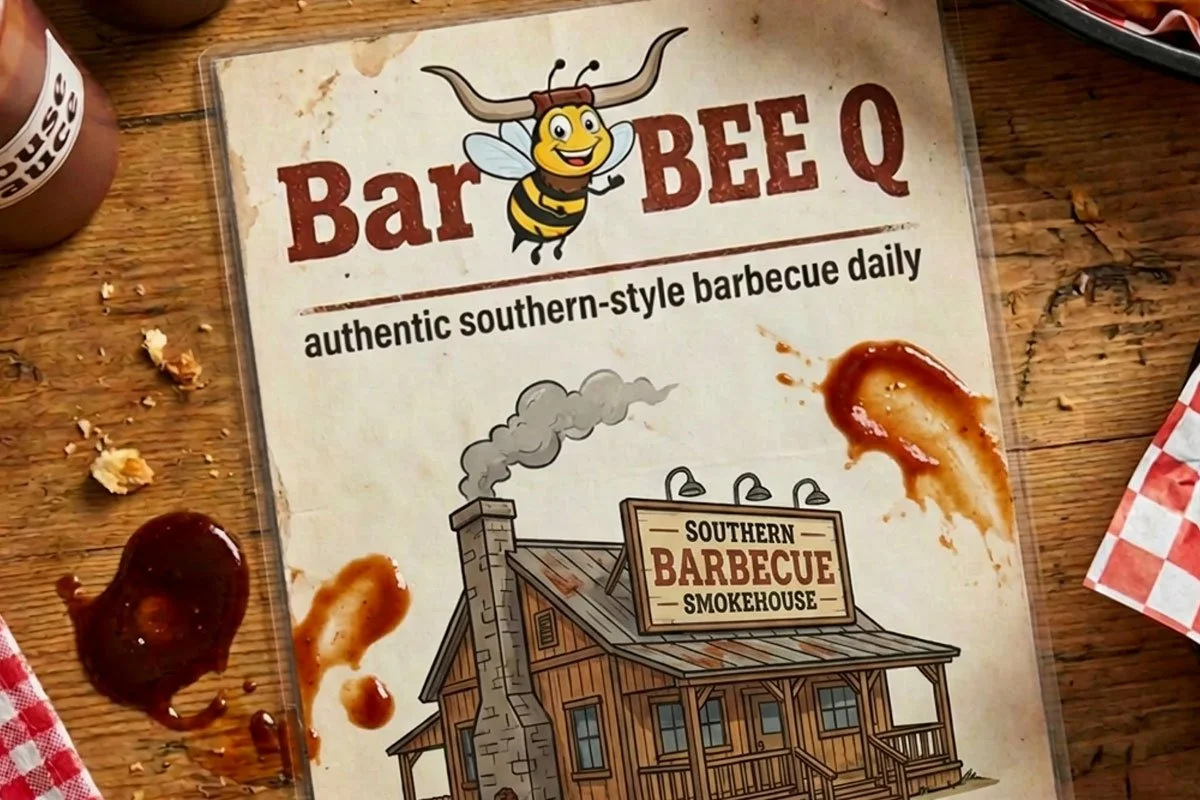
Stop copying other regions. Start building menus that actually work in your market, with your fire, and under real operating conditions.
If you go to enough barbecue restaurants, you’ll start to see a pattern in the menu offerings: it’s the same meats, the same structure and the same assumptions at so many of them.
Brisket, ribs, pulled pork, maybe a smoked chicken dish…they’ll all be there. This will be followed by a long list of familiar sides. A sandwich or two might round it out, and there might be something different thrown in there as well to make the menu stand out from others.
On paper, it looks like any other barbecue menu. And it’s not hard to understand why this happens. You want to open a barbecue joint and you figure this is barbecue, and so your menu ends up looking like the 10,000 other BBQ places out there. Is that wise or not?
A restaurant is a business. So when I look at this scenario in practical terms, most of these menus are not built to work. They are built to resemble something: built on the belief that this is what people expect to see on a barbecue menu. But that alone isn’t going to make you successful if you open a restaurant or even a food truck.
That is the core problem.
From my point of view, a huge number of barbecue menus are copies of something else, not systems actually designed to work for that particular establishment.
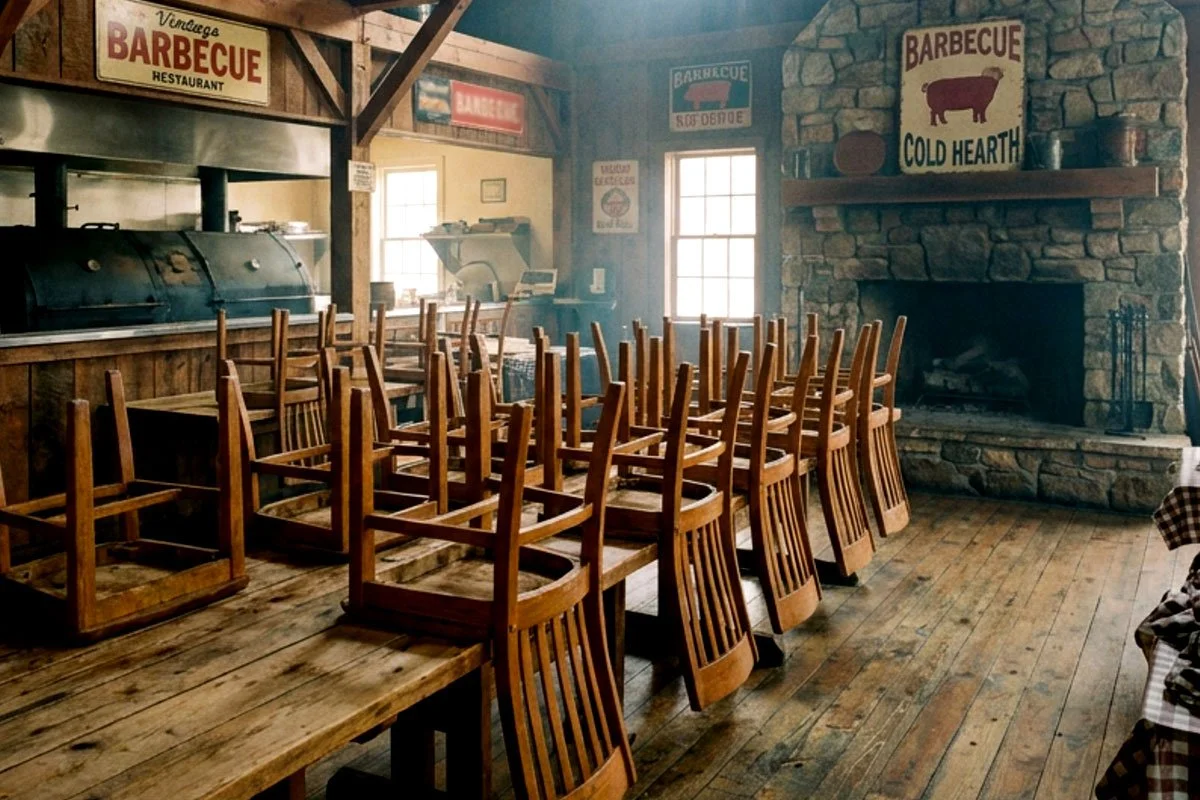
The Issue is that BBQ Menus are Often Built Backwards
A lot of operators start with the question: “What should we serve?”
That sounds reasonable. And for a barbecue restaurant, it likely leads right to the list of potential menu items I noted above. But it’s also potentially the wrong way to start the restaurant menu planning process for a live-fire cooking place.
Because in live-fire cooking, the menu isn’t driven by ideas: it’s driven by constraints. Consider these factors when building your restaurant’s barbecue/live-fire cooking menu:
What can your fire handle?
How much product can you move?
How consistent can you be over every service, year after year?
What will your market actually support?
When these points are ignored, the menu becomes aspirational (and copycat), instead of operational. That is where things can start to break down for a new restaurant, even before the doors ever open. The reason is that you’re basically using your restaurant opening as a test case to see if it works. That’s always going to be true to some degree, but you can definitely mitigate that risk with a little more forethought and critical planning (especially when it comes to your menu).
Think Fire First, Not Protein First
Having consulted on quite a few barbecue menus and having watched the rise (and fall) of too many restaurants over the years, I’ve noticed that most barbecue menus are probably created with this protein-first point-of-view.
They begin with brisket, because brisket is expected. They add ribs, because ribs are standard. Pulled pork is next and they build outward from there and end up with a predictable list of items that are served at every other barbecue stop.
Live-fire chefs, however, should think about menus differently.
The process starts with the fire itself.
What type of fire are you running?
How stable is it over time?
How much usable cooking space do you actually have?
How many different processes can you realistically manage at once?
Your answers to these questions should be the starting point to define your menu to be something more than just a list of traditional southern barbecue dishes.
A primarily live-fire kitchen is a lot different than a conventional kitchen and it deserves the extra thought and consideration to create the best menu possible (one that isn’t just a copy of every other barbecue restaurant out there).
Throughput vs. Nostalgia
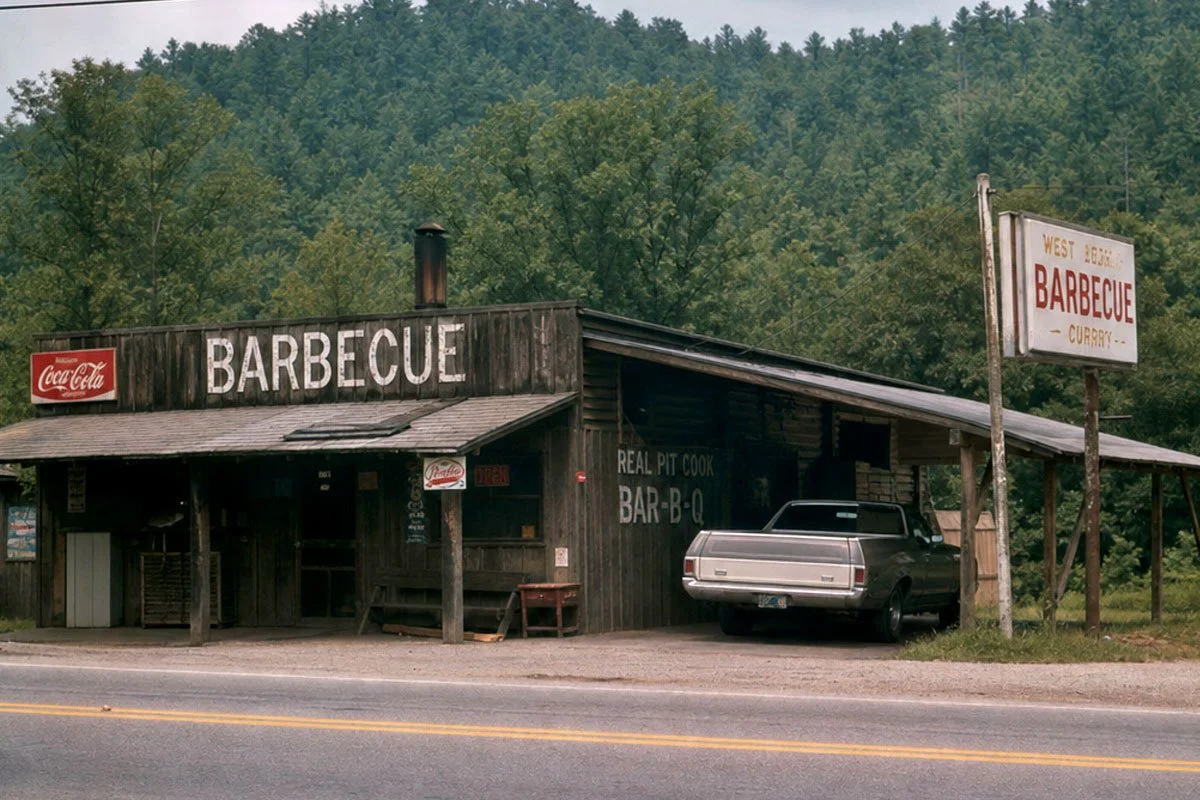
We all know that there is a version of barbecue that lives in people’s heads. That’s the view of barbecue as low-and-slow, deliberate, craft-driven, and a little nostalgic.
That version is real, but it doesn’t always scale into a restaurant environment.
Every menu decision you make has to balance two forces (in addition to cost of goods):
Craft (what you want to make)
Throughput (what you can actually produce consistently)
This is where many menus start to crumble. There are too many items, too many processes, and way too much variation.
The result of this approach is inconsistency, long wait times, product shortages, or worst-case scenario: all three.
If you’re just starting to think about your menu, or you’re looking to revamp your menu, try to remember that a strong barbecue menu isn’t the one that offers the most options: it’s the one that holds together under pressure.
Simplicity is Not a Limitation
One of the most common things I see is that there’s a tendency to equate menu variety (and the number of choices) with value. If you have more meats, more sides and more options, it’s a better menu.
But in barbecue—especially live-fire cooking—more is often worse.
Every additional item introduces a few new unnecessary issues:
Another process to manage
Another variable in the fire
Another opportunity for inconsistency and so on.
The best menus aren’t minimal for the sake of being minimal. They are focused because focus is what makes quality repeatable. Repeatable quality is what sets apart the best from all the rest.
Resist the Urge to Copy Other Regions
A lot of barbecue menus fail on identity because they don’t really have a unique identity to begin with.
Copying other regions or defaulting to the old standards as your starting point is a backwards approach. It’s setting you up to fail — or at least for an uphill battle. What is your restaurant’s unique value proposition for customers? Why and how is your menu different? Why would someone choose your place over another?
You have to think of your restaurant as the business that it is, and your menu is arguably the most critical component of your business.
You’re putting yourself in a challenging position right from the start if you’re doing your menu planning based on what works somewhere else (or what you think people will expect to see), at least without fully considering:
Different supply chains
Different customer expectations
Different operating realities
Different climates and seasonality
What works in one region doesn’t automatically work in another. And when it doesn’t translate, restaurant operators try to compensate by adding more items, more variation, and ultimately more complexity.
That only makes the problem worse.
A much better approach is to build from where you are. In other words, adapt the method to what you know you can do, not just the menu itself.
A Better Way to Build a Barbecue Menu
If you step back, take a breath, and consider everything I’ve covered so far, hopefully the structure becomes a little clearer. A solid, working live-fire barbecue menu is built on:
1. Fire capability
What your system can reliably produce, day after day.
2. Process alignment
How your items fit together operationally, not just conceptually.
3. Throughput reality
What you can execute at volume without breaking consistency.
4. Market fit
What your audience will actually come back for again and again—not just try once.
5. Identity
A point of view that isn’t copied or “borrowed” from somewhere else.
This process isn’t about limiting your creativity; it’s about directing it and truly being uniquely creative (while at the same time setting yourself up for success).
How to Avoid a Failing Barbecue Menu
Sadly, most barbecue menus fail quietly. There’s a reason why restaurants are always among the top failing businesses.
In a lot of cases, it’s not because the food is bad, but because the system behind it doesn’t hold up.
When you design your menu around fire (instead of expectation or someone else’s menu vision), something changes: the menu becomes tighter, more intentional, more repeatable and most importantly, uniquely you.
Ultimately, this approach is what can help to make you more successful and more unique in a crowded category of restaurant sameness.
By Chef Mike Belobradic
Founder of Smoke Fire Grill™ and the Northern Barbecue™ Method