
Fire is the Original Language
What Global Barbecue Teaches Us About Cooking—and Each Other
Long before recipes, before restaurants, and well before written language—there was fire.
It’s the oldest cooking method in the world. And while every culture uses it, they don’t all use it the same way.
That’s where most people misunderstand barbecue, or live-fire hardwood cooking.
They usually think it’s about ingredients. Or equipment. Or regional styles.
But at its core, it’s not.
“Cooking with hardwood heat, whether that’s lump charcoal or a wood fire, is about how different cultures solve the same challenge: how to control fire to transform food.” ~ Mike Belobradic
Same Fire, Different Thinking
When you look around the globe at fire-cooking traditions, you start to see similarities among the differences. Here are a few examples:
In Argentina, live-fire cooking is more about restraint—letting heat and time do the work.
In Japan, precision and proximity to flame define the outcome.
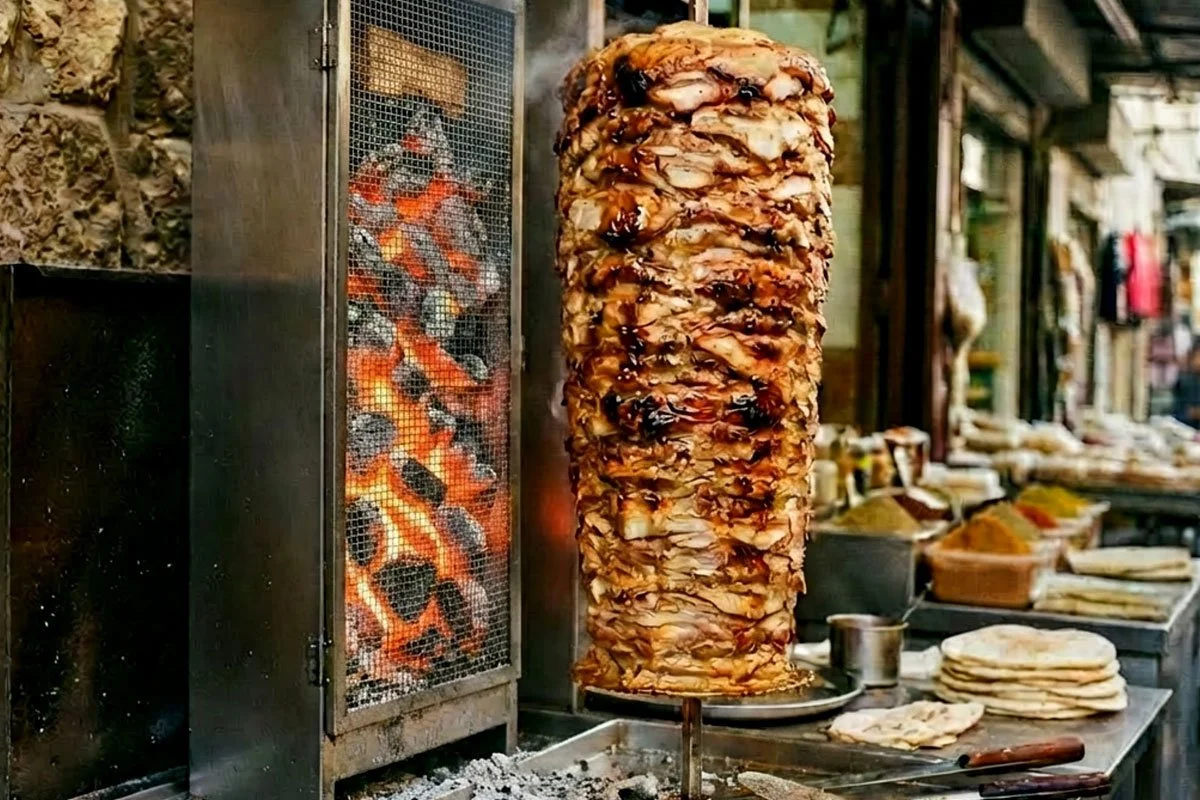
In Texas, fire becomes a system—managed over hours, not moments.
In South Africa, flame is social, direct, and immediate.
Same fire, but completely different styles and results.
What changes isn’t the fuel, it’s the mindset.
And when it comes to cooking with fire, that mindset is a big part of what builds skill.
Why Global Barbecue Makes You a Better Cook
A lot of backyard cooks I meet (most of them, actually) approach grilling by following recipes.
It’s an understandable approach, and it can work, as long as you have some experience behind the grill and tending to fire.
But if you don’t, that’s when people get frustrated because things go wrong. Fire is unpredictable. Wind shifts. Heat fluctuates. Fuel changes. Timing slips. Even the same type of wood can burn differently for a number of reasons on any given day.
Recipes on their own can’t adapt quickly (or at all), but skilled live-fire cooks can.
The knowledge to adjust on the fly comes from exposure to a range of different global and cultural approaches to live-fire cooking. When you study global live-fire traditions, you start to recognize a few patterns:
How different cultures manage heat zones
When to cook directly over flame vs. beside it
How to use time as a tool, instead of the quickest way to doneness temperature
How to read smoke, coals, and flame intuitively
None of that is about copying dishes. It’s all about developing fire literacy by being exposed to a wide range of global dishes and cooking styles. It’s a principle that holds true in a lot of skill-building situations.
Cooking as Cultural Understanding
Every live-fire method was created for a reason.
It’s often a reflection of geography, available fuel, local ingredients, and cultural priorities.
When you cook this way, you’re not just making food—you’re engaging with how people think.
Not in an abstract or philosophical way: in a very practical and tangible way.
You begin to see that:
Technique is shaped by environment
Flavour is shaped by tradition
Efficiency is shaped by necessity
This builds something that most backyard cooks I know will never develop in isolation or with recipes they got online: context.
The Problem with Modern Grilling
The problem/challenge that I see with “modern” grilling culture is that it’s trying its best to reduce barbecue to a checklist of:
Gear
Gadgets
Recipes
Shortcuts
It’s all in the name of simplicity and technology innovation. But when you look at a list like this, it’s not hard to see that skill is what’s getting lost in the shuffle.
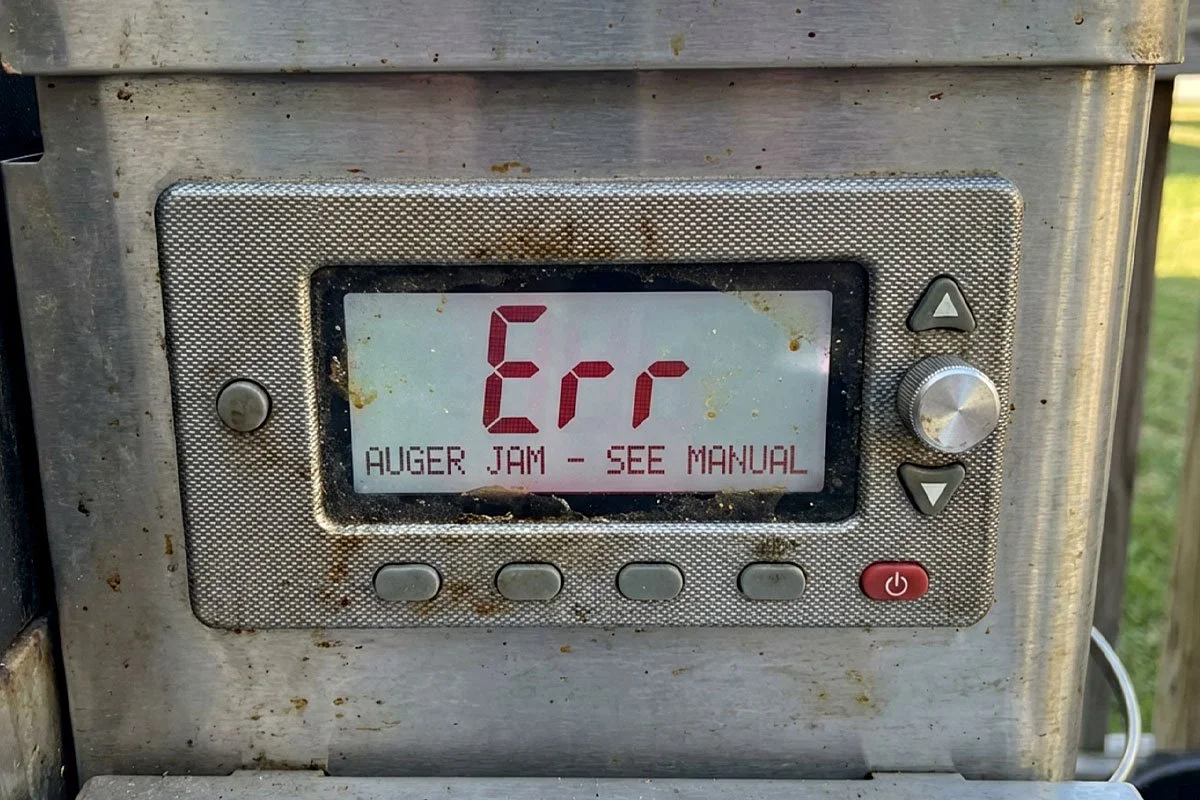
Tech innovations are great and can be an asset, but without any real skills to back it up, you become too dependent on the tech and the devices’s instructions (which aren’t always the best) for a lot of new things you try.
Foundations in Fire: A Better Approach to Level-Up Your Live-Fire Cooking Skills
There is a better way to level-up your live fire cooking skills, one that’s based on thoughtful intent and that’s also fun and challenging— all while instilling the skills and exposure to global dishes that will help you grow as a cook.
The goal isn’t to learn more recipes. The goal is to understand fire.
That is the basis of the Foundations in Fire course and the Northern Barbecue™ Method:
Control heat without relying on temperature dials
Adapt techniques across different foods and environments
Apply global principles instead of memorizing steps
Because once you understand fire, you can cook just about anything with confidence and knowledge. The course isn’t taught that way (in a boring technical manner), but through the progression of the modules, those are the things that you learn and take with you (along with the almost 20 global live-fire dishes you’ll cook).
Fire May Be Universal, but the Mastery of Cooking with Fire is Not
Fire as a cooking source is universal, but mastery of cooking with fire is definitely not.
You don’t learn barbecue by memorizing recipes. You learn it by understanding how to use fire to get you where you want to go. Layering-in different techniques from different cultures around the globe adds another level of learning that most backyard cooks don’t have.
That is where real skill begins.
By Mike Belobradic
Founder of the Northern Barbecue™ Method of Live-Fire Cooking Courses