
How to Get Better at Barbecue: A Chef’s Guide to Live-Fire Skill Building
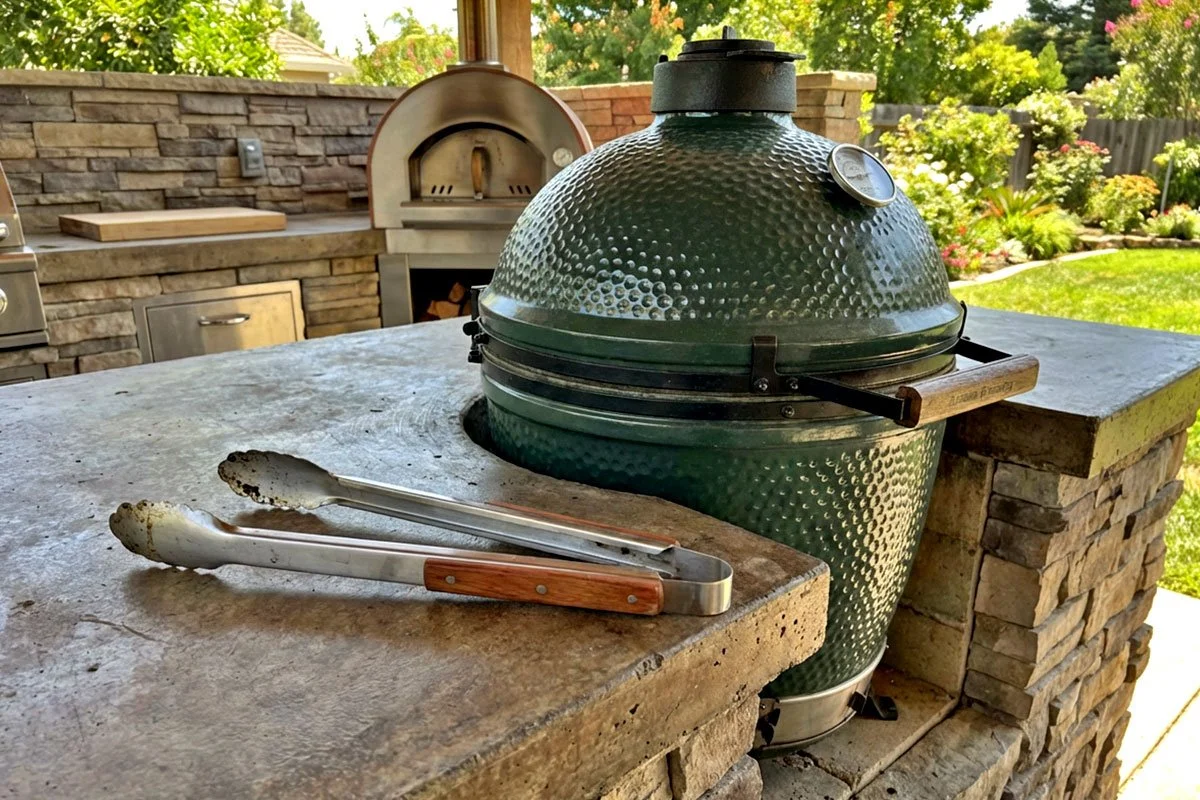
You don’t improve by cooking the same dish 15 times
You get better at barbecue by understanding heat and expanding what you cook.
Here’s how to build true hardwood barbecue and live-fire cooking mastery.
A stronger barbecue cook isn’t the person who can grill the same steak perfectly 15 times in a row. A stronger barbecue cook is the person who understands why the steak behaves the way it does over heat, and who can take that knowledge and understanding into chicken, fish, vegetables, breads, and beyond. That’s what this post is all about—and it’s the foundation of how people genuinely get better at barbecue.
This post is for anyone wants to know how to get better at barbecue, how to improve grilling skills, or how to level up their barbecue technique. It’s built on the same principles I teach in the Northern Barbecue™ Foundations in Fire course: heat literacy, versatility, and structured exploration.
Why repeating the same dish doesn’t make you better at barbecue
A lot of people try to improve by repetition, or by searching endlessly for recipes for the same dish. Practice makes perfect, right? They cook the same steak, the same ribs, the same chicken wings over and over until they “dial it in.” And yes—repetition will make you better at that one dish on your specific setup. When you approach it this way, you’ll learn:
How your grill behaves at certain temperatures
How long that cut takes to cook
How to manage flare-ups or hot spots (hopefully)
How to hit your preferred doneness (ideally)
But this is situational mastery, not barbecue mastery.
If you only cook one or two things, you’re not learning barbecue—you’re learning those dishes. This is fine if that’s your objective. But if your objective is to get better at barbecue, then there’s a pitfall to that approach: as soon as you switch proteins, change grills, or try a new technique, you’re back to square one.
Real improvement in live-fire cooking comes from a much different approach.
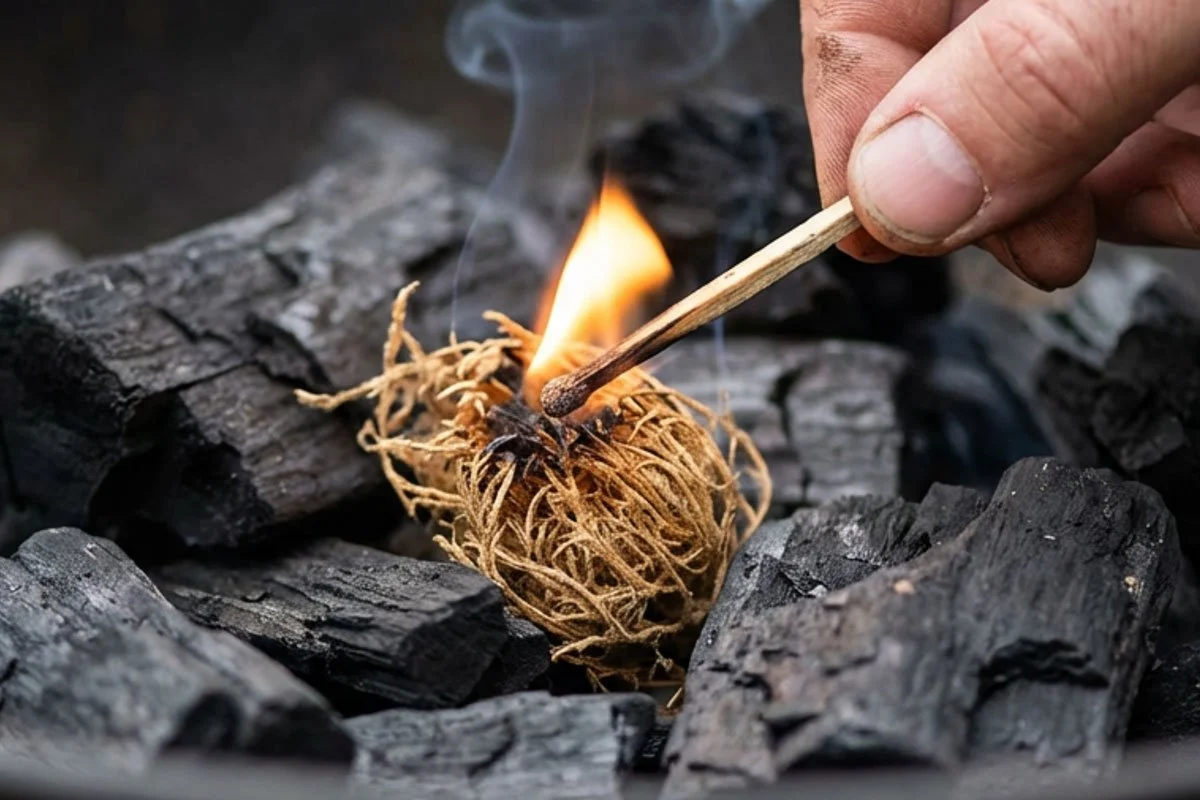
The real skill to get better at barbecue is understanding how heat works
Live-fire cooking and hardwood barbecue is all about heat management. Everything else—flavour, technique, equipment—is secondary to how well you understand and control heat.
When you understand heat, you can cook anything.
There are four types of heat that matter most:
Direct heat — fast and intense, perfect for searing
Indirect heat — gentle and controlled, ideal for roasting
Radiant heat — the ambient energy inside your grill or smoker
Conductive heat — the heat transferred through cast iron, grates, or pans
Most home cooks only use one or two of these (often without even realizing it). When you learn how to use all four intentionally, your cooking will level-up.
This is why the best barbecue cooks can move seamlessly between:
Chicken thighs
Whole fish fillets
Vegetables
Flatbreads
Pork shoulder
Reverse-seared steaks
Skewers
Cast‑iron dishes
They’re not guessing. They’re reading the fire and understanding what’s needed to take a dish where they want it to go.
Why expanding what you cook makes you better at barbecue—faster
Every new ingredient you cook teaches you something different about heat. For example,
Chicken thighs teach you rendering and crisping.
Fish teaches you delicacy and timing.
Vegetables teach you caramelization and moisture control.
Bread teaches you radiant heat and surface temperature.
Pork shoulder teaches you long-form heat stability.
Skewers teach you speed and rotation.
You get the idea. Every one of these would expand your skill set. And the more categories you explore, the more transferable your knowledge becomes.
This is why structured exploration is so powerful: it forces you to learn new behaviours from your grill (to grow and learn).
The problem with the “master one thing first” approach to live-fire cooking
I consider this approach to be like a siren that lulls you into submission. That’s because it feels right and logical, but really it traps you.
If you only cook steak, you only learn:
High heat
Short cook times
Direct grilling
Resting and slicing
But barbecue and live-fire cooking is so much bigger than that. You also need to learn:
Low and slow
Two‑zone setups
Cast‑iron techniques
Fire management
Temperature transitions
Finishing methods
Smoke behaviour
Moisture retention
and so on. You don’t get all those skills from repeating the same dish, no matter what it is.
You get those skills from variety. So if you want to get better at barbecue, you have to broaden your horizons and step outside your comfort zone.
The path to getting better at barbecue
The fastest, most sustainable way to improve your barbecue skills is to follow a structured progression that exposes you to different heat behaviours and gives you some context for each one.
A strong progression looks like this:
1. Learn your heat sources
Charcoal, wood, cast iron, grates—each behaves differently. Learn how they heat, cool, and transfer energy.
2. Cook across categories
Move intentionally between proteins, vegetables, breads, and mixed techniques.
3. Use multiple heat modes
Direct, indirect, radiant, conductive—practice switching between them.
4. Add one new technique at a time
Cold‑start cast iron, ember roasting, reverse searing, finishing oils, charred citrus, etc. Adding new techniques develops new skills and new understandings.
5. Build a mental model
Understand why things happen, not just how to repeat them.
This approach is actually the backbone of the Northern Barbecue™ Foundations in Fire coures: broad, structured, technique‑driven learning that makes you better at everything you cook. It’s similar to the approach we took back when I was in culinary school and there’s a reason why it’s effective.
What this looks like in practice
Instead of cooking a steak 15 times, cook:
Chicken thighs in cast iron
A whole fish fillet over indirect heat
Charred vegetables over direct heat
A flatbread using radiant heat
A pork roast using two‑zone heat
A skewer set using fast, rotational heat
Each one of these example dishes teaches you something new about fire. In the Foundations in Fire course, I take it a step further by taking students on a global journey of live-fire cooking. It’s based on the path I created for myself to dramatically improve my live-fire cooking skills.
By the time you go back to cooking steak, you won’t just be better and more confident at cooking steak—you’ll be so much better at live-fire barbecue overall.
The best way to get better at barbecue
Repetition is a good approach to refine and master a technique or an approach, but if you want to get better at barbecue at a higher level (to be confident cooking just about anything in your backyard), then tunnel-vision repetition is not the way to do it. Instead, you’ll get better at barbecue by expanding your range of dishes and techniques, learning how heat behaves, and challenging yourself with new ingredients and cooking styles.
Live-fire barbecue mastery isn’t about repetition. It’s about understanding.
And once you understand heat, you can cook anything.
By Mike Belobradic
Creator of the Northern Barbecue™ Method of live-fire cooking courses