
Brining Chicken: What a Salt Water Bath Really Does—and Whether You Need It
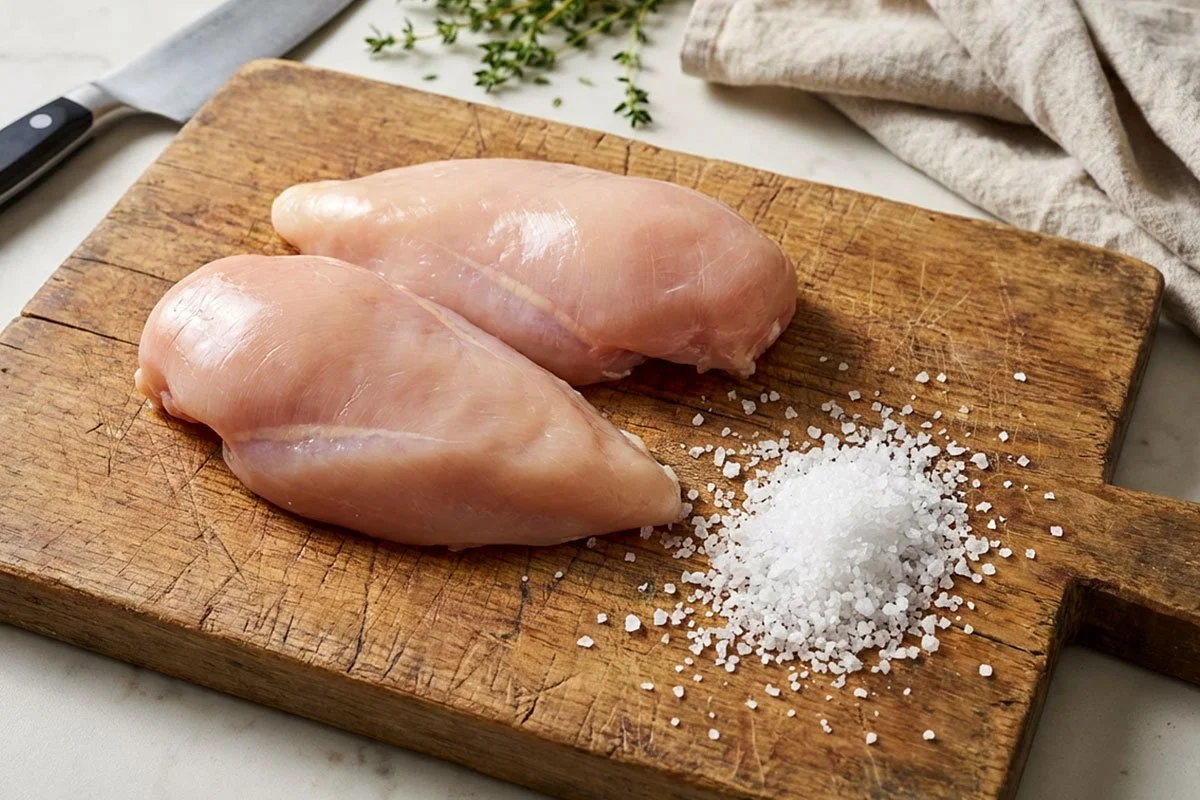
A live-fire chef’s perspective on moisture, flavour, sodium, and smarter live‑fire technique
Brining chicken or turkey before you put it on the grill is one of those barbecue cooking topics that usually brings strong opinions. Some cooks swear by it. Others avoid it entirely. And others wonder whether it’s even necessary—especially when you can make beautifully moist grilled chicken without soaking it in salt water.
I have spent countless years brining chicken and turkey before grilling, and more recently, many years never doing it again. This guide breaks down what brining actually does, how much salt it really adds, and whether it’s worth the effort. I’ll also cover how good grilling techniques (not a bowl of salt water brine) is the real key to juicy chicken over live fire.
How Brining Works (and What it Doesn’t Do)
Brining is a salt‑water bath that changes the way muscle proteins behave. When raw chicken sits in a salt solution, a number of things happen:
Salt loosens muscle fibers — allowing them to hold more water.
Some water is absorbed — increasing total moisture in the meat.
Seasoning penetrates slightly deeper — but not as much as people think.
Texture becomes more forgiving — making overcooking less noticeable.
Here’s what brining doesn’t do:
It doesn’t create “super‑flavourful” chicken on its own. You still may want to add a rub, or glaze or something additional for flavour (which is where you have to start considering the total amount of sodium you’re adding, if you care).
It doesn’t replace proper technique.
It doesn’t guarantee better results than a well‑executed cook.
Brining is a tool, not a magic trick. In fact, based on 20+ years of working with and without brines, I’d add that brining is a bit of a buffer or safety net against poor technique (or helpful for those new to grilling and who want a little help in the early days).
How to Brine the Right Way: How Much Salt to Use and How Dry Brining Fits In
For the record, if you do want to brine chicken (or turkey), think in terms of salinity rather than chasing a single “correct” recipe.
A reliable all‑purpose wet brine sits in the 5%–8% range of salt, or 50–80 grams of salt per litre of water. This ratio is strong enough to relax proteins and improve moisture retention without drifting into cured-meat texture.
Always dissolve the salt fully, keep the brine cold, and ensure your chicken pieces are fully submerged in the brine for even diffusion.
A dry brine is also an option. A dry brine is similar to the approach you take when salting a steak. Just apply salt directly to the surface of the chicken at roughly 0.5%–1% of the meat’s weight.
Both methods of brining chicken rely on the same diffusion principles, but they behave differently. Wet brines increase juiciness and soften texture, while dry brines sharpen flavour, maintain a firmer bite, and avoid diluting the meat’s natural character.
If you insist on brining or want to try it for the first time, go with a wet brine for large or dense cuts where moisture retention is the priority, and dry brine when you want seasoning precision and a cleaner, more concentrated version of the meat itself.
I find that a wet brine is easer for beginners to get the ratio right.
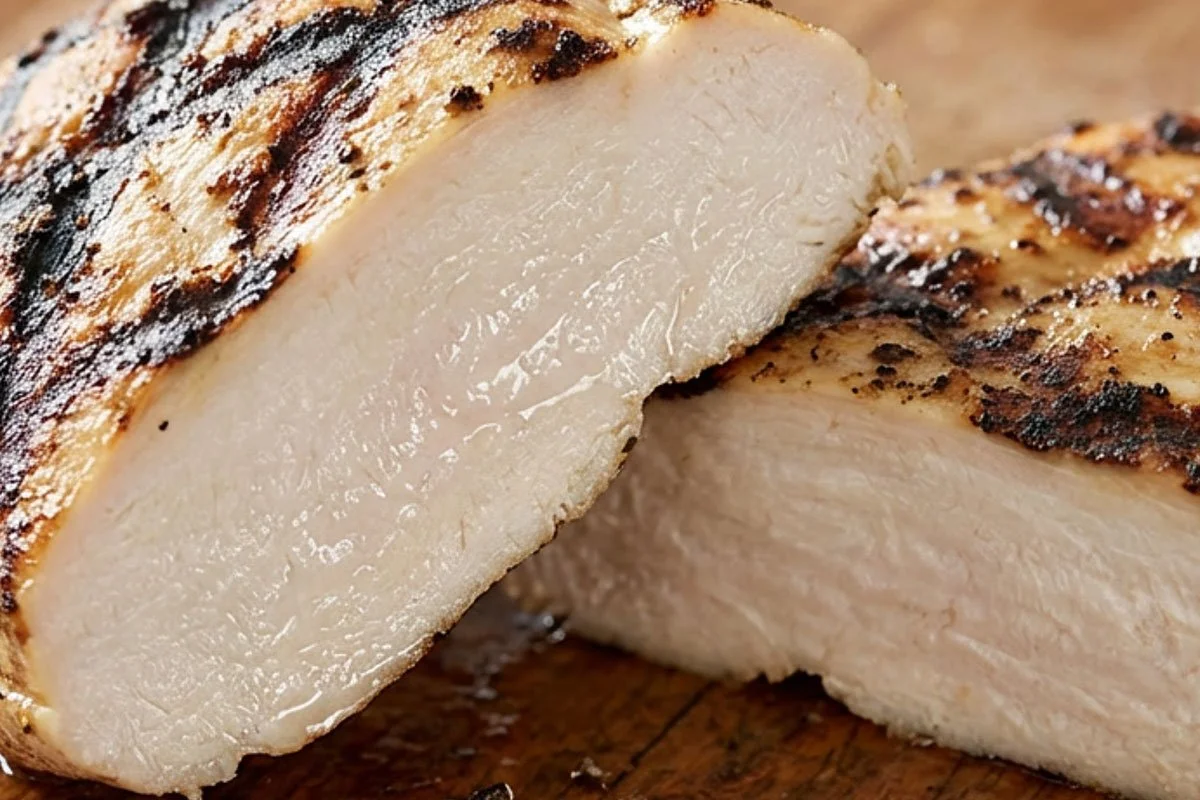
Does Brining Really Make Chicken More Moist?
Yes, brining chicken in salt water will help to add more moisture, but it does so with nuance. It’s also not a failsafe against overcooking or bad grilling technique. You can still end up with a dry chicken breast (even if it’s brined) if you’re not paying attention at your fire.
According to studies I’ve read that have measured the impacts of brining, brined chicken retains somewhere in the range of 10%–15% more moisture than unbrined chicken, when cooked to the same internal temperature under the same conditions. That’s a measurable difference, but it’s not dramatic. In practical terms, most home cooks would describe the difference as being “slightly juicier.” Cooks will find that it doesn’t dry out as quickly.
But a very important point to remember, and something I discovered as my skills progressed, is that a skilled cook can achieve equal or better moisture in their poultry without brining at all. By simply controlling heat, timing, and carryover in a thoughtful way, you’ll still have deliciously juicy chicken—but without the added sodium (not to mention the time and effort required to brine).
This is especially true when cooking over charcoal or live fire, where your technique has a far greater impact on the chicken than pre‑soaking in salt water ever will.
How Much Salt Does Brining Actually Add?
This is the part most people misunderstand and the part that’s important to anyone on a low-sodium diet or who simply doesn’t want any extra sodium in their chicken.
A standard brine (5%–6% salt by weight) increases the sodium content of chicken by roughly 15%–25%, depending on soak time and thickness (not to be confused with the extra moist percentages I noted above). That is not a small amount—especially for people intentionally wanting to reduce sodium.
Important clarifications here are that:
The chicken does not absorb all the salt in the brine.
Most of the salt remains in the water and gets discarded.
The longer the brine, the more sodium the meat absorbs.
Skin‑on pieces absorb less than skinless pieces.
For cooks watching sodium intake, brining may not be the best choice—especially when excellent moisture is achievable without it.
Is it Possible to Overdo Brining?
Yes. It’s really important to pay attention to your brining time, because it is possible to go too far and start to “ruin” the meat itself.
A wet brine becomes “too long” when the meat starts to take on a cured, slightly springy texture and loses its natural structure. This happens because too much exposure to a salt solution keeps relaxing proteins long after the flavour and moisture benefits have already been achieved.
My recommendations for brining times are as follows
The sweet spot is when the salt has fully penetrated through the meat, but hasn’t yet altered the muscle structure. For a standard 5–8% wet brine:
Fish & seafood: 20–45 minutes
Chicken pieces: 4 – 8 hours
Whole chicken: 12 – 14 hours
Whole Turkey: 18–24 hours
These ranges are my tried-and-tested ranges and assume you’re using the ratio noted above. Stronger brines shorten the window; weaker brines lengthen it.
Wet Brine vs. Dry Brine: Timing Differences
Dry brining is more forgiving because there’s no salt water bath continuously relaxing proteins.
The optimal dry brine times are:
Poultry pieces: 6–12 hours
Whole birds: 18-24 hours
Dry brining gives you a wider margin of safety for not overdoing the brine, along with a cleaner flavour and a firmer, more natural texture.
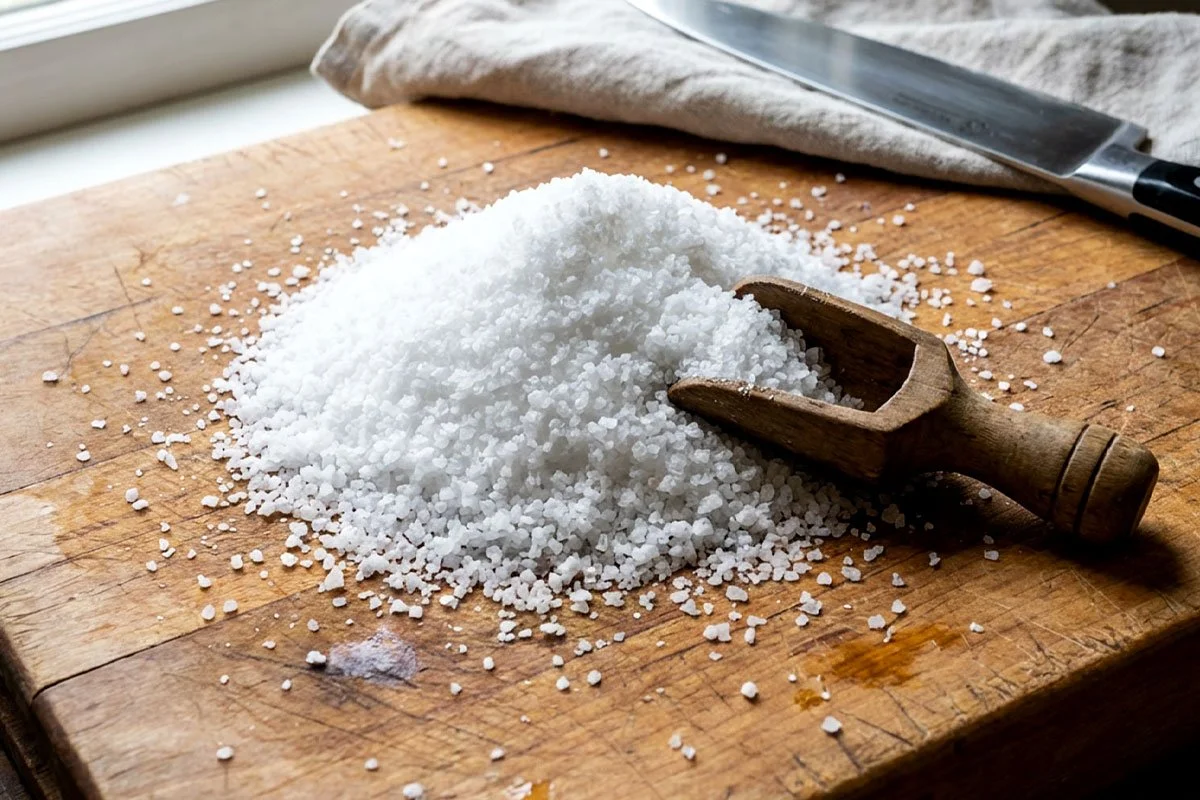
Is Brining Bad for Low‑Sodium Diets?
Brining is obviously not great for a low sodium diet because the extra salt really isn’t required for seasoning and it is arguably adding more salt than is “necessary.”
For anyone managing sodium intake, if you are brining, remember to pay attention to the sodium in any rub or glaze or sauce you’re also using so that you can get a better idea of your total sodium intake.
Another thing to remember is to pay attention to the chicken you buy. A lot of pre-packaged chicken is already pre-seasoned (or pre-brined). If you buy this without noticing the label or reading the sodium content on the nutrition label – and then you brine this chicken – you will have very salty (double-brined) chicken.
Can You Get Moist Grilled Chicken Without Brining? Absolutely.
This is where smart live‑fire technique comes into play. Moisture in your chicken comes from better control when you’re cooking, not from soaking it in salt water.
Key technique‑based moisture strategies to ensure you have a nice juicy piece of chicken include:
Cook to temperature, not time — pull breasts at 160°F (resting under a foil tent will take them to 165°F with carryover heat). This will help to ensure they do not overcook.
Use two‑zone heat — sear over direct heat, finish over indirect.
Pound your chicken to equal thickness – for a boneless skinless chicken breast, you want it to be a uniform thickness so there won’t be a thin part that dries out before the thicker part is cooked. Pound the chicken breast only to equal the thinnest part of the breast. Do not make it thinner than necessary.
Let the meat rest — this is a very important step (for any protein). Juices redistribute as your chicken rests, so tent your chicken in foil and let it rest for at least 10 minutes before cutting and serving.
Use marinades or dry rubs — flavour can be added without sodium spikes with a thoughtful choice of rubs or marinades.
Choose bone‑in cuts — bone-in cuts naturally retain more moisture (you do not need to pound these pieces as a result).
All of these things will help produce juicy chicken without adding sodium from brining.
When Brining is Worth Considering
While I am not a fan or brining, there are cases when it can be useful. These include:
Cooking very lean, thin chicken breasts
Feeding large groups where consistency matters
Preparing chicken ahead of time with unpredictable cooking conditions
Working with tougher cuts
You want a slightly more forgiving texture
But even in these cases, brining is always optional—not required.
Other Key Points Worth Sharing
While we’re on the subject of brining, here are a few additional points that are worth mentioning.
Dry brining is not the same as wet brining. Dry brining uses far less salt and doesn’t add water weight. It’s often a better choice.
Brining can dilute flavour. Added water means less concentrated chicken taste.
Brining affects texture more than flavour. Many people mistake “softer” for “juicier.”
Brining can interfere with browning. Extra surface moisture slows the Maillard reaction.
Brining is a legacy technique from commercial kitchens. Brining was originally created to get consistency with large cooks, not for culinary artistry. That is one reason why you may notice the sodium count is very high at some grilled-chicken restaurant chains.
My Final Word on the Great Brining Debate
Brining is a tool you can use, it’s not a requirement.
It can help, but it’s not the only secret to getting a juicy piece of chicken on the grill. Technique, temperature control, and thoughtful seasoning matter more. And for cooks watching sodium, skipping the brine is not only possible, it’s often preferable.
By Mike Belobradic
Founder of the Northern Barbecue™ Method of live-fire cooking.