
Managing Fire: How to Control Heat Zones Like a Pro
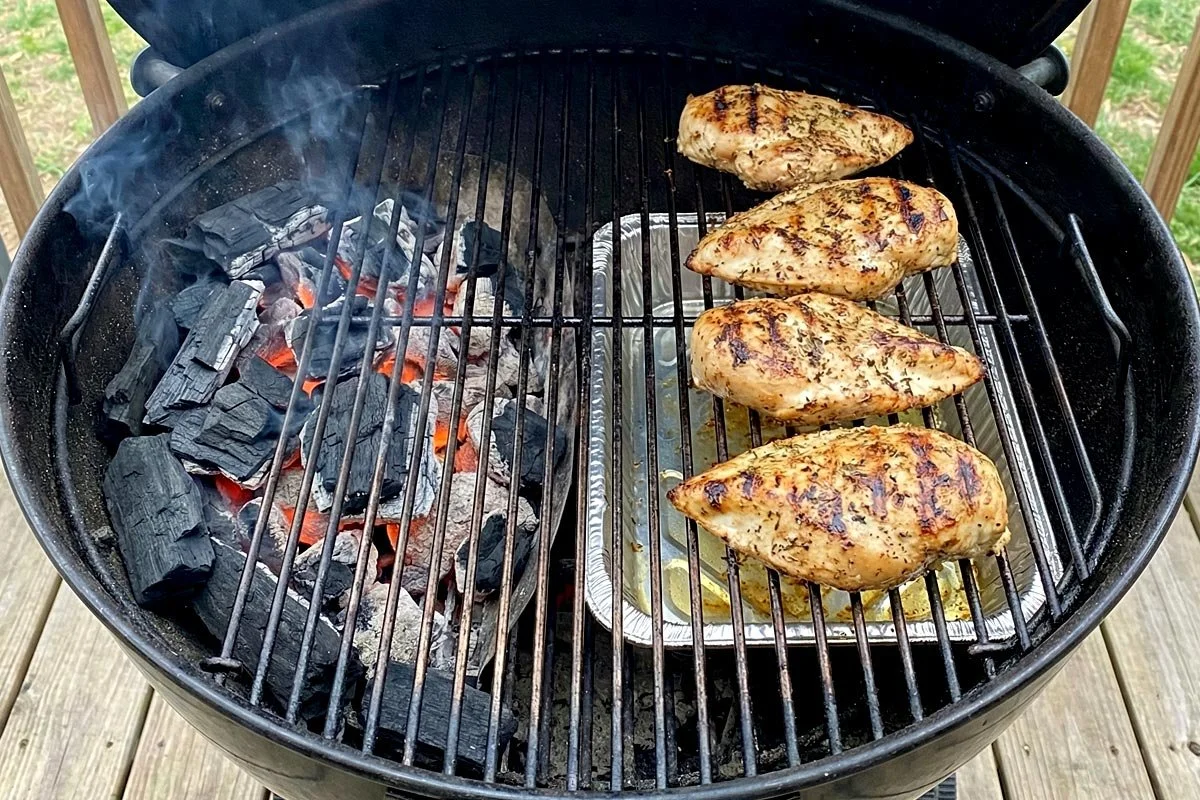
How to set-up and use heat zones the right way on your grill
There’s something captivating about a big flame on a grill.
Admittedly, we all love the show (it’s part of the fun of cooking over live-fire). So when a big flare-up happens from fat hitting the coals, that’s a dramatic moment that gets clipped into a 6‑second video for social.
But if your goal is anything beyond quick likes and shares, it helps to understand more than the spectacle. Fire management is the foundation of live‑fire cooking. It’s the difference between reacting to flames and actually cooking (and, managing flames calmly when flare-ups do happen).
Heat Zones are the Backbone of Control
A two‑zone setup — one direct, one indirect — is a tried-and-true cooking system. The two-zone set-up gives you the ability to sear, rest, finish, and rescue food without panic.
Influencers often present this as a “hack,” but it’s simply how heat works. Cooks who know what they’re doing know that it’s a technique that’s right for certain cooks. With a two zone set-up you’re creating heat gradients so you can move food through stages with intention.
So when you know in advance what type of setup will be required for a certain cook, you can ensure that your grill is properly set for that cook before you begin (coals on one side, indirect heat on the other, or use of a heat shield — depending on your specific grill). Planning ahead will save you the hassle of messing around with the coals during the cook, or trying to figure out how to make an indirect area because the outside of your protein is charring faster than you want.
Fuel Management is a Skill, Not a Guess
A recurring theme of mine when writing this blog or coaching BBQ is that heat management is a skill that can be learned and perfected. Elements like charcoal arrangement, wood size, airflow, and when to add more fuel all determine how your fire behaves.
A well‑managed fire is predictable. A poorly managed fire is chaos. So learning how to manage your fuel and fire with confidence is an important basic skill to master. It will carry you through all levels of barbecue and live fire cooking.
Adjusting Mid‑Cook is Normal
Fire is dynamic. Charcoal grills and wood-fired cooking isn’t gas or pellets—which is why we love it (plus it produces better flavour.). Charcoal grillers love to manage the heat source. We know that things change as fuel burns down, or as wind shifts, or as fat renders and ignites a little show on the coals.
The goal is never to freeze the fire in place — it is to understand how to steer it where you need it to go. So actively adjusting your heat and fire during a cook is normal protocol, particularly for certain types cooking (reverse sears and so on).
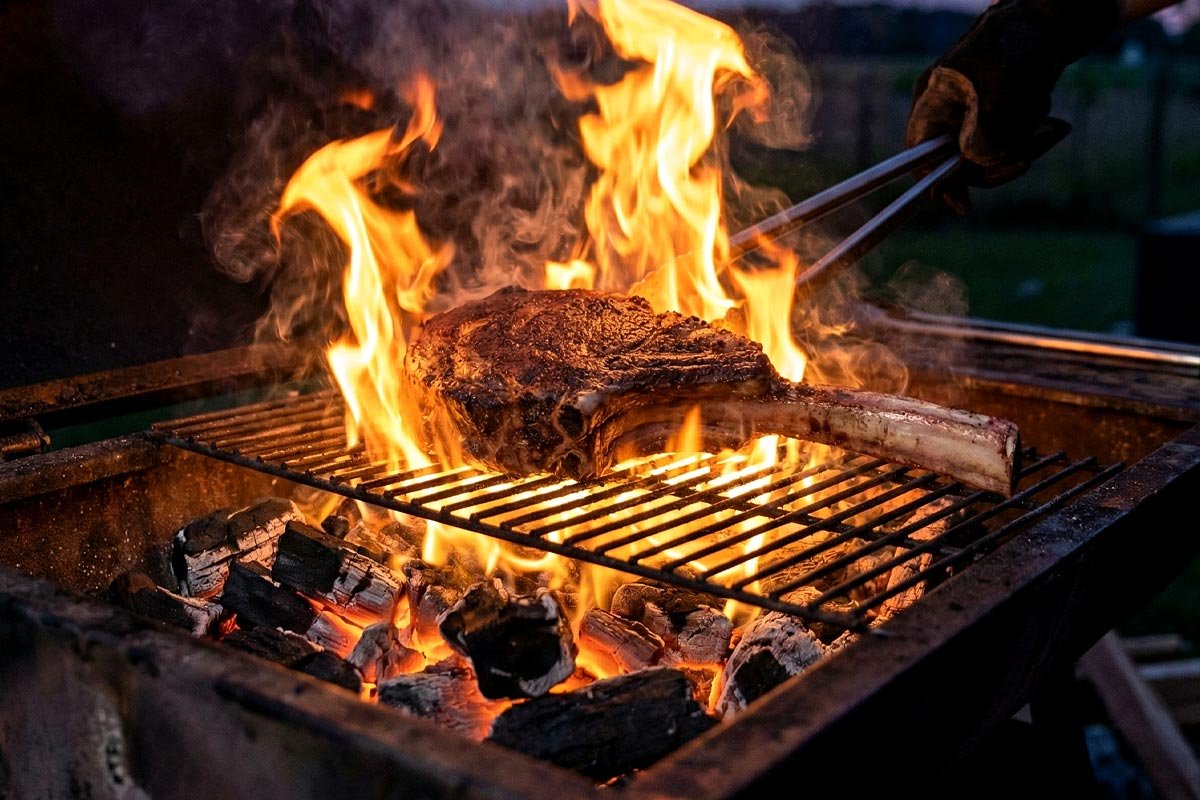
Flare‑Ups Aren’t a Badge of Honour
Yes, big flames look great on camera, but they’re also often a sign of poor control (not always, but often).
If you want fire-magic flavour instead of burnt, you need to manage fat, airflow, and distance—and know when too much flame is too much flame. I do love the kiss of flame to crust a steak, but you can go too far if you get caught up in a show.
Fire Management is the Transferable Skill
Once you understand fire, you are so much further along to be able to approach cooking just about anything. That includes new, unfamiliar global dishes and doing so on any grill, or in any set-up, in any season — with any type of hardwood fuel.
Fire management is the core competency that makes everything else easier.
Flames are fun. Control is mastery.
By BBQ Chef Mike Belobradic
Creator of the Northern Barbecue™ Method of Barbecue Skills Development