
Outdoor Kitchen Design Guide: What to Consider Before Building a Backyard Cooking Space
A chef’s real-world lessons on layout, materials, weather planning, and long-term performance from building a permanent, block-built outdoor kitchen with an 8,000-pound brick oven
For many homeowners, an outdoor kitchen begins as a simple upgrade: a grill, a patio, and a place to gather. For me, it became a long-term project that evolved into a permanent, block-built cooking space designed around how I actually cook, host, and connect around fire.
At SmokeFireGrill.ca, my philosophy has always been that great outdoor cooking is about more than equipment. It is about flow, durability, and creating a space that works across seasons, not just weekends.
What to Consider When Building an Outdoor Kitchen in Your Backyard
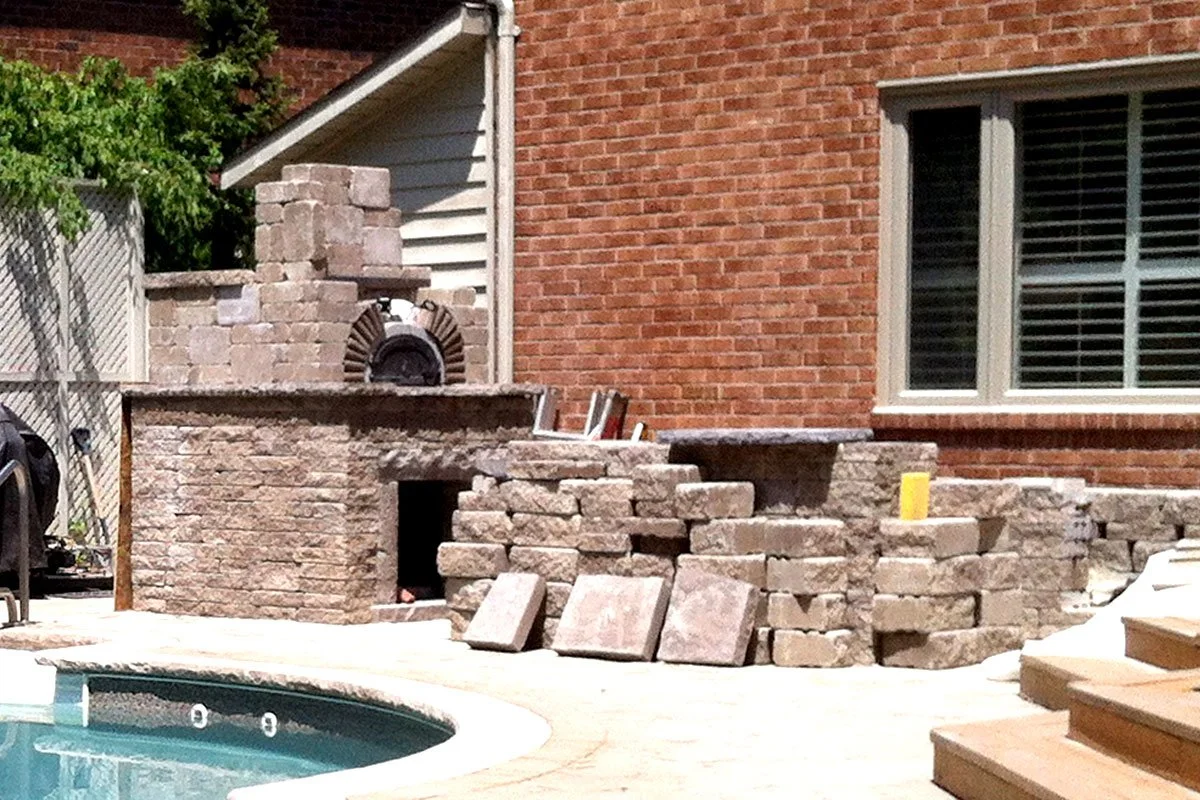
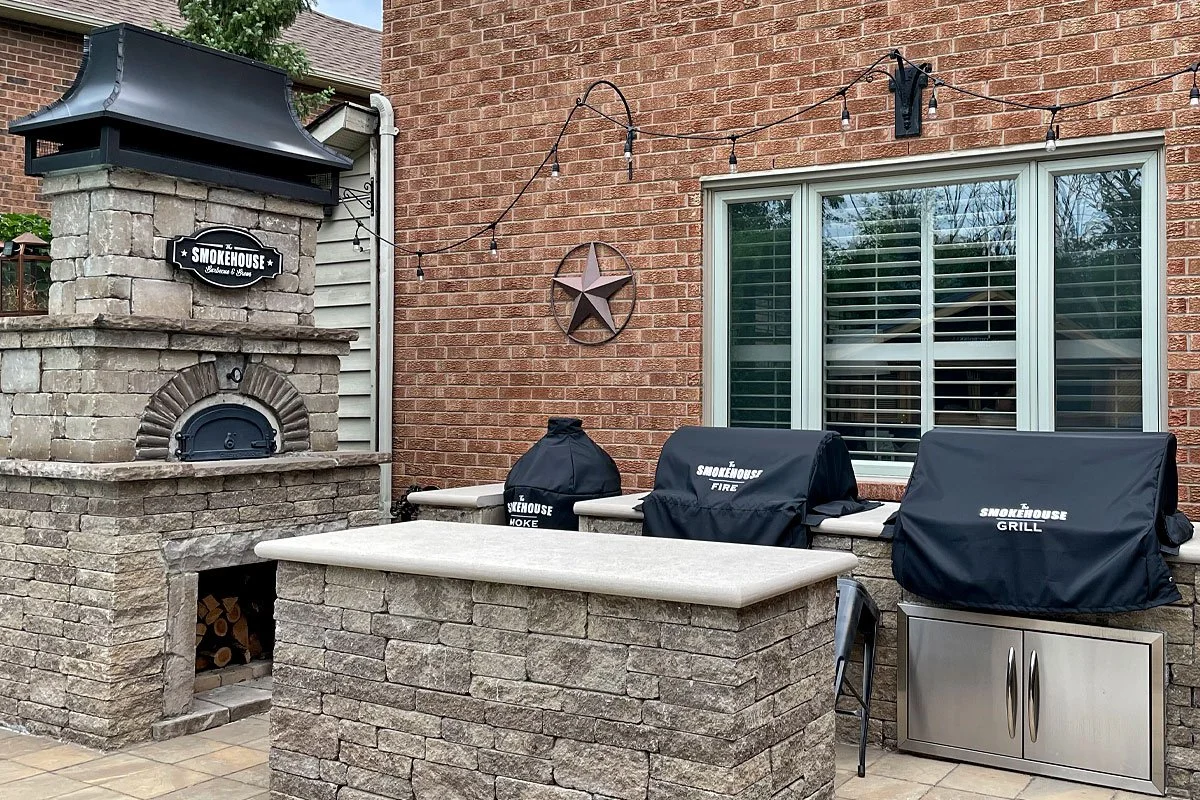
My own backyard outdoor kitchen reflects that approach. It is a fully built structure made from block, anchored by a full-size brick oven weighing approximately 8,000 pounds. Along a long counter, I run a smoker, a wood-fired grill, and a gas grill for support cooking, sides, and reheating. In front of it all sits a seven-foot island designed for guests to gather, watch, and be part of the experience. This area is used for serving food when it’s ready to eat.
Here are the most important lessons I would share with anyone in the process of planning their own outdoor kitchen.
Design Around How You Actually Cook
One of the biggest mistakes I see is designing an outdoor kitchen for appearances instead of function.
Before you choose appliances or materials, think about your cooking style:
Do you prefer low-and-slow smoking or high-heat grilling?
Do you host large groups or cook primarily for family?
Will you use this space seasonally or year-round?
My layout reflects real cooking flow. The smoker and wood-fired grill handle the main event, while the gas grill plays a support role for sides, warm-ups, and timing control. This allows me to manage long cooks without constantly running back into the house.
When your layout matches your cooking rhythm, the space becomes intuitive instead of frustrating.
The only thing I wish I’d done differently here is leaving a small space to place temporary cookers, which I now add to the mix quite frequently. I manage to fit them onto the existing counter space, but it would have been more seamless if I had thought of this in advance.
Permanent Structure vs. Modular Setup
My kitchen is built from block, not cabinetry or modular frames. That choice changed everything.
A permanent structure offers:
Superior heat resistance
Long-term durability
Better integration for heavy features like brick ovens and masonry counters
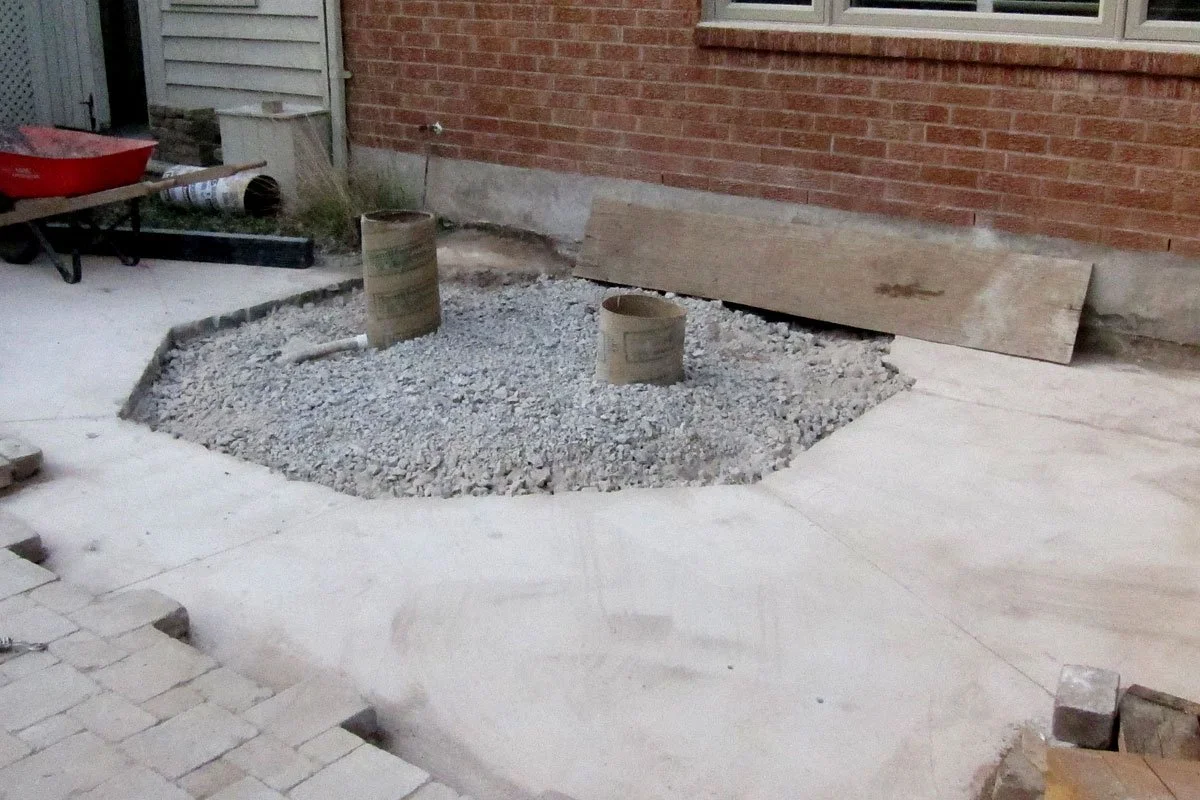
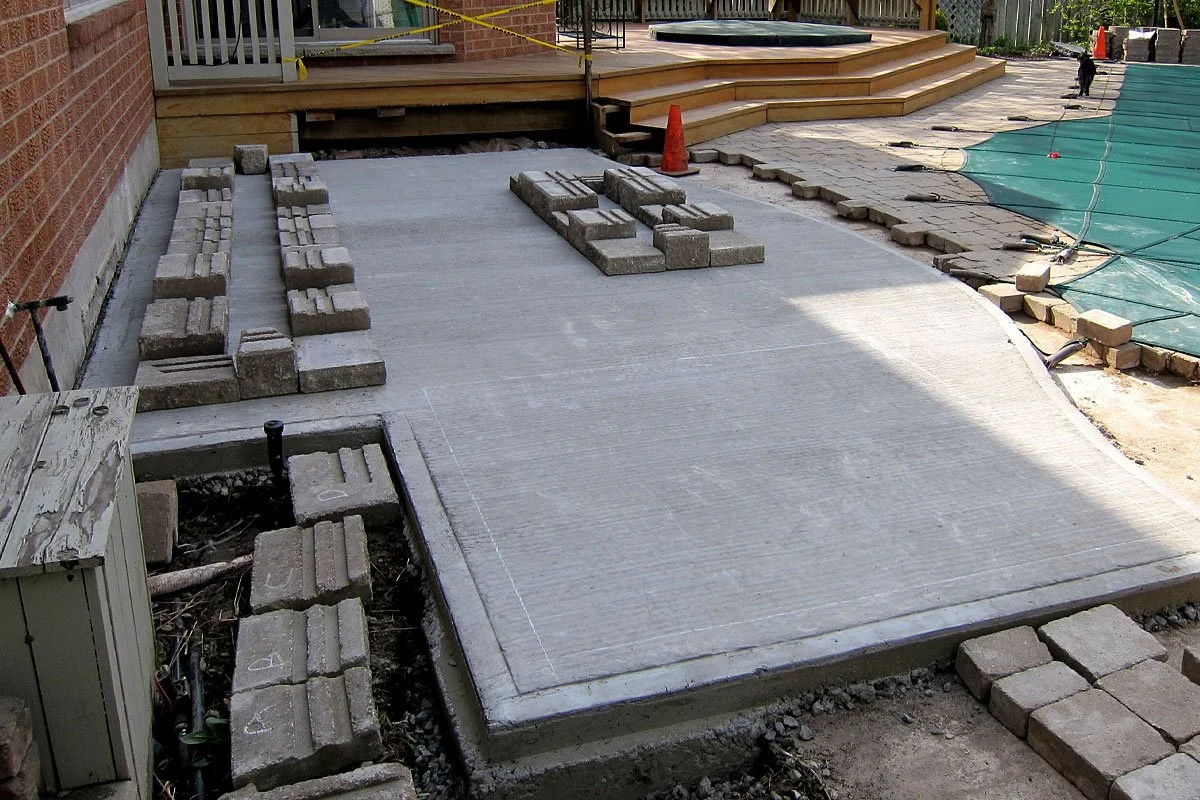
The tradeoff is commitment. Once footings are poured and block is laid, design mistakes are expensive to fix. Take time to plan walking paths, prep zones, and guest areas before construction begins.
An outdoor kitchen should feel like an outdoor room, not a collection of appliances.
Layout is About People, Not Just Fire
The seven-foot island in my kitchen is one of its most valuable features. It keeps guests close to the action without putting them in the way of heat, tools, and movement.
If I were to change anything, I would have built a deeper overhang on the island. I have four stools around it, and while it functions well, a larger lip would make long conversations and meals more comfortable.
Small design details like this often matter more over time than the brand of grill you choose.
Storage is Not Optional
One thing people consistently underestimate is how much storage an outdoor kitchen needs.
You will accumulate:
Tools
Thermometers
Wood
Charcoal
Trays
Covers
Cleaning supplies
I built storage directly into the brick counter and cooking structure, along with dedicated wood storage beneath the brick oven. This keeps everything close, dry, and organized without cluttering the cooking surface.
If you skip storage in the design phase, you will feel it every time you cook.
Water, Power, and Practical Limits
I strongly considered adding a sink and refrigerator. In theory, they make an outdoor kitchen fully self-contained. In practice, utilities matter.
In my case, gray water drainage and limited electrical capacity made both more complex than they were worth at the time. Instead, I designed the space to work efficiently without them.
This is where planning meets reality. Before finalizing your design, understand:
Electrical capacity
Drainage and local code requirements
Winterization needs
A beautiful design still has to work within infrastructure limits.
Choose Countertops for Climate, Not Just Style
My countertops are sandstone. It fit the aesthetic and was readily available at the time. What I learned later is that sandstone stains easily and requires seasonal sealing to stay in good condition.
If I were building today, I would strongly consider granite or another all-season, low-maintenance surface. It handles weather, grease, and heavy use far better over the long term.
This is one area where durability should outweigh design trends.
Plan for Weather in Every Season
This is my single biggest lesson learned.
I designed my kitchen for cooking, not for coverage. In summer, that means sun and rain. In winter, it means snow piling up on grills, counters, and the oven.
If I were rebuilding, I would absolutely incorporate a roof or overhang over at least the cooking zone. Not just for comfort, but to extend how many months per year the space is usable.
I would also slope part of the brick oven’s upper structure for better rain and snow runoff. Flat masonry surfaces look clean, but they collect water and snow over time.
Good design should fight the climate, not surrender to it.
Building a Brick Oven: Think Like a Builder, Not a Buyer
My oven is based on a Chicago Brick Oven component, but everything around it was custom built. An 8,000-pound oven is not an appliance. It is a structural feature.
That means planning for:
Proper footings
Heat shielding
Ventilation
Long-term weather exposure
When done right, it becomes the heart of the space. When done poorly, it becomes a problem you live with for decades.
Think in Years, Not Weekends
The best outdoor kitchens are not designed for the reveal moment. They are designed for how they will function five or ten years later.
Your cooking style will evolve. Your guest list will grow. Your tools will change. A strong design allows the space to adapt without feeling outdated or constrained.
That long-term thinking is what turns a backyard project into a true outdoor living space.
Final Thoughts from The Smokehouse
An outdoor kitchen can be a place to cook. Or it can be a place people naturally gather, whether the fire is lit or not.
Mine became the second.
If you plan thoughtfully, invest in materials that respect your climate, and design around how you truly cook and host, you will build something that feels less like an upgrade and more like an extension of your home.
By Chef Mike Belobradic, Founder of Smoke Fire Grill