
Safe Internal Food Temperatures: Beyond the Chart
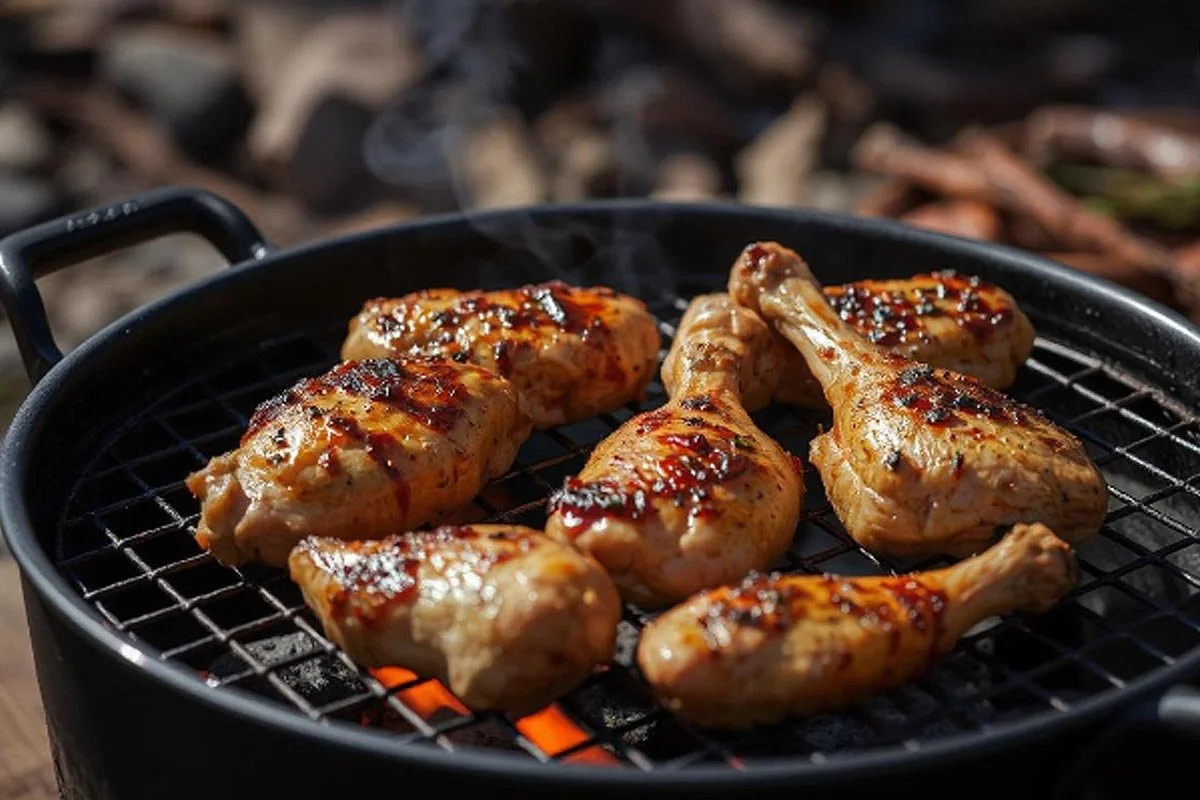
Ever Wonder Why You Can Eat a Steak Rare, but Not Chicken (or a Burger)?
What You Need to Know
Food safety is very important. Let’s start with that.
The last thing you want when you cook is to have your guests come down with food poisoning because you didn’t follow proper food handling protocols.
Cooking proteins properly is part of this.
Most conversations about food safety and doneness temperatures for food get reduced to a list of numbers. “Cook chicken breasts to 165ºF.” “Pork to 145ºF.” “Beef to 135ºF if you want it medium‑rare.” It’s all technically correct, but it doesn’t explain why these temperatures matter — or why some foods can be safely eaten rare and others can’t.
If you want to cook with confidence, you really need to know more than numbers on a chart. You need to understand the reasons behind the numbers.
Food Temperature is About Pathogen Reduction, Not Doneness
Internal temperatures on food cooking charts are actually a measurement of how effectively you’ve reduced harmful bacteria to safe levels. That’s it. It’s not about colour, texture, or juiciness — those are all by‑products.
But not all foods are the same. Different foods carry different risks because of how they’re handled and where bacteria live.
Why Rare Beef and Fish are Generally Safe
Beef and fish are whole-muscle proteins. Harmful bacteria live on the surface in these foods, not deep inside the muscle. So when you sear the outside of a steak — even briefly — you kill all of those potentially harmful surface pathogens. The interior of a steak, which was never exposed to contamination, is safer to eat rare.
This is why a medium-rare or rare steak is safer, but a rare burger is not. Grinding the meat redistributes surface bacteria all throughout the meat, meaning the risk cannot be seared away on the surface — it’s now all throughout that burger patty.
Now, a quick aside for those of you with a global palette who are wondering why is steak tartare safe to eat raw, but not a burger? Great question. The reason is that steak tartare is produced from very high quality beef that is minced immediately before serving. Both of these things dramatically reduce the risk of pathogens becoming an issue in steak tartare.
Burgers, on the other hand, are usually made far in advance (fresh or frozen) and sit around allowing pathogens to multiply throughout the ground beef. And back to the steak tartare for a moment. A good chef won’t rely on the basic points I noted above. A good will often trim off the outer layer of the steak before grinding, or better still, sear it briefly before creating the tartare (which is then served immediately). Plus, there are acidic ingredients in the tartare that also help to stop bacterial activity. So while steak tartare is not 100% pathogen safe, the risk of illness is greatly reduced compared to a hamburger patty for all of these reasons.
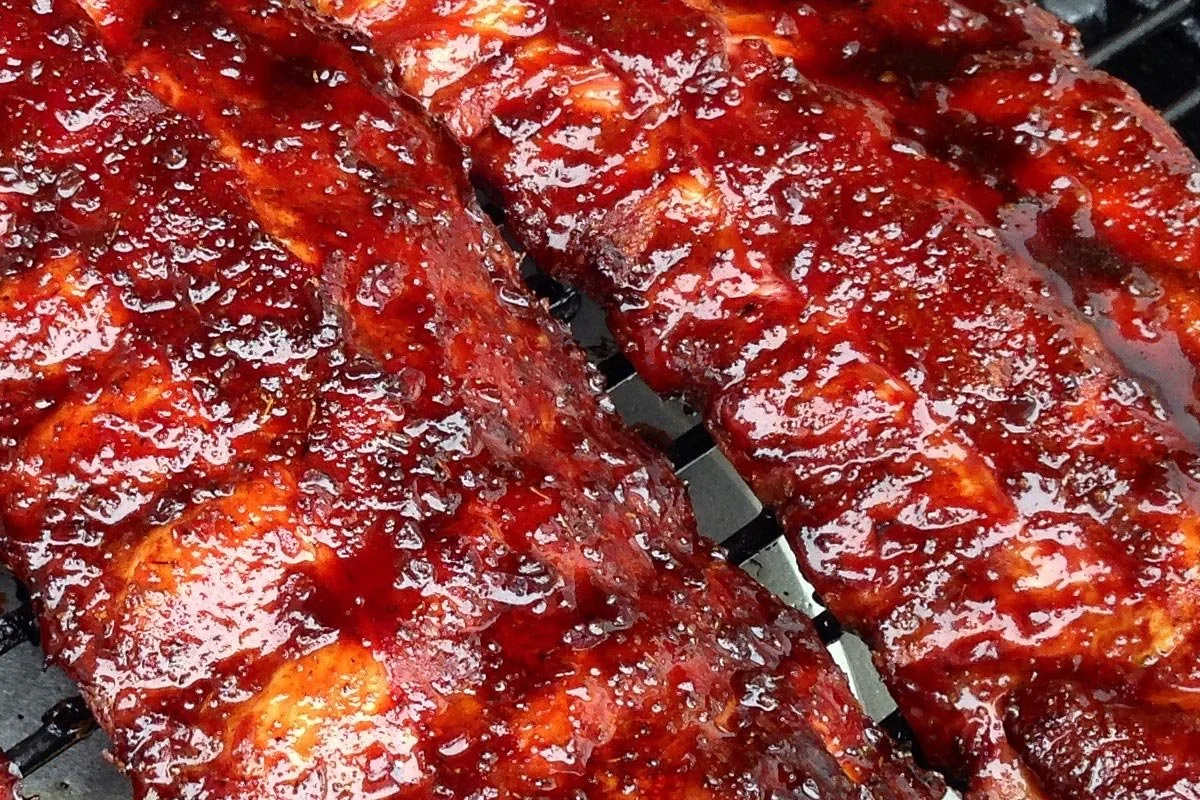
Why Chicken and Pork Need to be Fully Cooked
Chicken and pork are different than a steak: their risky pathogens aren’t limited to the surface. Pathogens on these proteins can be anywhere throughout the muscle tissue. This means that the entire piece of chicken or pork needs to reach a temperature high enough to kill them (or technically, to neutralize them).
This is also why pressing on the meat or cutting to check the juices is not a reliable (or recommended) method. Food safety is a system, not a guess by a visual sign.
Time Matters as Much as Temperature
When it comes to timed cooking, leave that to the bakers. I’m not talking here about cooking for a specific amount of time (like a recipe that says “cook for 30 minutes,” but rather cooking for a sufficient period of time.
Most “doneness” charts list a single number for a type of protein, but the real science is time and temperature. For example, pork is technically safe at temperatures lower than 145°F if held long enough at that lower temperature, but that’s not practical for home cooks to try to manage — or to know how long and at which temperatures. So the industry standard is a simple, safe guideline.
Carryover Cooking Counts as Part of the System
When you remove a protein from heat, the temperature will continue to rise for a short time as residual heat keeps cooking it. This is why pulling a roast or steak a few degrees before your target temperature is not a “hack” — it’s just understanding how heat behaves. You can overshoot that medium rare if you wait until it reaches that exact temp before pulling the steak off the grill. This is why that happens.
Thermometers aren’t Optional
Thermometers are an absolute must for any chef (there’s even a special little spot on our chef jackets just for them). For backyard cooks, a good reliable instant read thermometer is a must-have item (or a remote probe for long cooks where you don’t want to open the lid).
There’s no visual cue that reliably indicates safety of when a food is done. Colour is meaningless. Texture is misleading. Juices lie. You can burn the outside of a chicken breast and still have it raw in the middle.
A thermometer is the only tool that tells you what’s actually happening inside the food.
Safety and Quality are Not Opposites
Using a thermometer is not a rookie move.
Trying to judge a chicken breast’s doneness by any other method is playing with fire (the wrong way) in your own backyard.
When you understand the temperature system that addresses pathogen reduction, heat transfer, carryover, and resting period, you can cook food that is both safe and show-stopping.
Food safety isn’t a chart. It’s a workflow.
By Chef Mike Belobradic