
Stop Following Barbecue Recipes
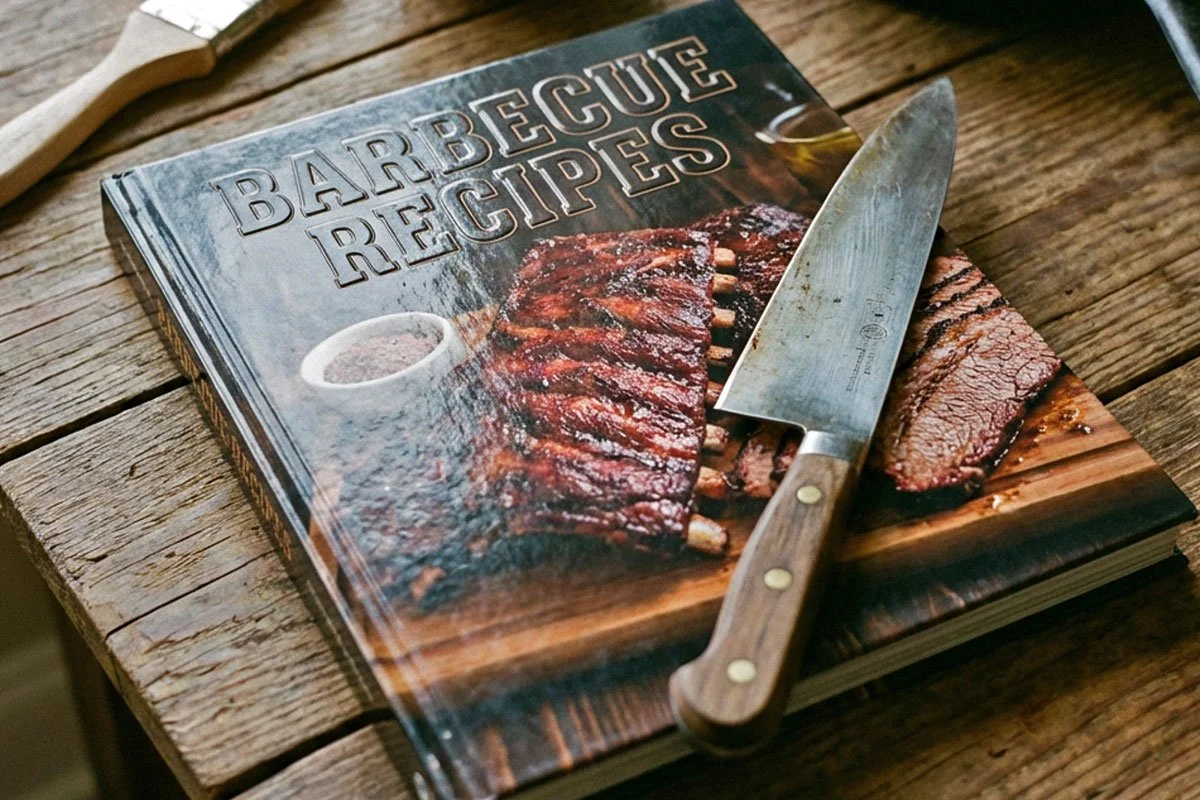
How a Global Fire Cooking Approach Builds Real Skill at the Grill
The Barbecue Recipe Problem
Searching for a perfect barbecue recipe (whether online or in a book) can be fun. It’s a great way to find new twists or slightly different tweaks on one of your favourite dishes. Or maybe find a regional difference or new inspiration for something you’ve cooked the same way for years. But is following barbecue recipes a good way to learn how to cook, or to sharpen your skills at live-fire cooking?
Probably not.
It can definitely help if you want to go with the trial and error approach… but what I’ve noticed over the years (particularly after working with quite a few live-fire cooks as a barbecue coach) is that when people take this approach they’re learning how to follow instructions, but not how to cook.
Recipes Have a Place in the Learning Process
Recipes feel productive, but in the absence of any other skill set, relying on one-off recipes alone can create the illusion of progress. It’s sort of like buying some Swedish furniture that you have to build yourself. You follow the instructions diligently and you end up with exactly what you hoped for. However, if someone asks you to build a similar unit from scratch, using better wood and no screws…you’ll probably be a little lost.
This is the key difference between following instructions and understanding what’s behind the craft.
In cooking, this can be exposed when you feel pretty good about being an expert at one dish (because you’ve cooked it 20 times and you don’t even need the recipe any more), but as soon as you’re put into a different situation with a completely different dish, you suddenly feel like a deer in the headlights.
When it comes to live-fire cooking, the divide gets even more pronounced. That’s because recipes create dependency, but live-fire doesn’t follow instructions.
If you want to level-up your cooking skills (live-fire or not), you need to move beyond following recipes as your starting point and truly understand the cooking process. Once you understand the process, then the recipes become what they should be: information for your cook and not your sole guide.
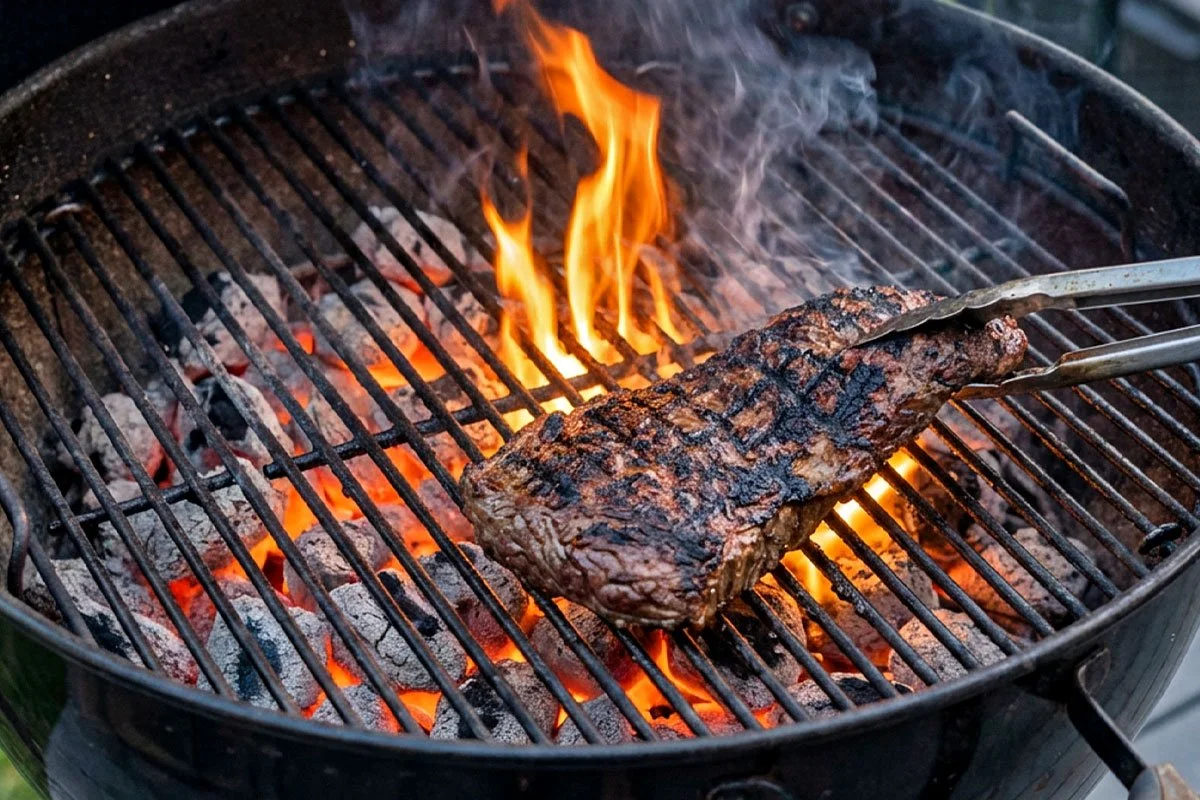
Fire is Not Consistent—and that’s the Point
Unlike an oven where you turn a knob and you know what will happen (or a digital electric pellet grill with a computer brain that needs no fire-management skill), a live-fire or hardwood lump charcoal environment changes constantly.
When you’re cooking with real wood or hardwood lump charcoal:
Heat rises and falls
Coals shift and change
Flames flare
Weather interferes in any number of ways
A recipe simply can’t account for all of that. The recipe itself may be solid, but if you don’t know how to manage your cooking rig (including what to do when something unexpected happens), it’s deer-in-the-headlights time again.
Which means if you rely on recipes alone as your means of learning to cook, you’ll always be reacting and rarely in full control of a live-fire cooking situation.
How Cooking Cultural Live-Fire Dishes Solves this Problem
Global barbecue traditions didn’t evolve around recipes. They evolved around repeatable techniques that could always be relied upon when cooking with fire.
That’s why you see a number of consistent patterns across cultures and regions when it comes to live-fire cooking:
Building multi-zone fires instead of fixed heat
Cooking beside (and sometimes within) a flame or coals, not just over it
Using distance and timing as primary controls
Letting fuel type influence flavour and approach
These aren’t instructions, or part of some recipe. They’re systems that are learned by cooks and passed down over generations.
Technique vs. Ingredients
Spending a little time to study, appreciate and learn the thought behind global live-fire cooking techniques will change your outlook on barbecue (and will make you a better live-fire cook).
But there’s another element to it.
Common misconceptions are that great barbecue comes from:
Specific cuts of meat
Using specific marinades or rubs
Having the ultimate specialty equipment and so on
Those things matter to some degree, but they’re actually secondary to what matters far more.
The things that matter more are:
Heat control
Fire management
Time management and
Food positioning
Technique travels with you anywhere you go. Ingredients do not.
That’s why a global cooking learning approach accelerates your overall cooking skills and sets you up for success by building your knowledge and confidence.
The Mind Shift: From Following to Understanding
When you stop following recipes, and start learning the method, logic and global differences in live-fire cooking, something changes. You will find that you start to:
Adjust what you’re doing based on feel (intuitive experience), not instruction
Recognize when heat is too aggressive
Move food instead of adjusting settings
Use time as a tool, not a constraint
These are all representative of the difference between cooking and executing.
The Northern Barbecue™ Method
The goal of the Northern Barbecue™ Method cooking courses is not to abandon structure (the program is intentionally structured), the goal is to replace rigid instruction and reliance solely on recipes with an adaptable framework that you will always take with you.
To boil it down to its core, for live-fire cooking this means:
1. Control the Fire
Not the temperature reading, the actual fire.
2. Read the Environment
Wind, fuel, and positioning matter as much as heat.
3. Adapt the Technique
Apply principles across ingredients, not recipes.
A Very Practical Takeaway for Hardwood Lump Charcoal and Live-Fire Cooking
Next time you cook:
Don’t ask yourself: “What temperature should I cook at?”
Ask yourself: “What should the fire doing?”
Don’t ask yourself: “How long does this need to cook for?”
Ask yourself: “What does the food need right now to get to where I want it to be?”
These are just examples of the kind of mind shift that starts to change everything for you as a cook. It’s what the Foundations in Fire course will instill in you as you work your way through the modules.
If you can only cook based on a recipe, you’re probably not in control of the fire. It’s more likely that the fire is in control of you. That’s not a position you ever want to be in as a cook.
Learn the fire, and you won’t need total reliance on any recipe.
By Mike Belobradic
Founder of the Northern Barbecue™ Method of Live-Fire and Hardwood Lump Charcoal Cooking Courses
Visit the Shop for barbecue t-shirts, sweatshirts and hoodies.