
The Live-Fire Pantry: Oils, Vinegars and Acids
Balance is the Secret Ingredient
Smoke, fire, fat and seasoning often get all the attention in barbecue, but there’s another ingredient working quietly behind the scenes.
Acidity.
A squeeze of lemon over grilled fish. A splash of vinegar in a barbecue sauce. A drizzle of extra virgin olive oil over sliced steak. These finishing touches can transform a dish from heavy to vibrant, adding balance and complexity without masking the flavour you've worked so hard to build.
One of the most common things that I see getting overlooked in outdoor cooking is food that would benefit from just a little more brightness. The fire was managed well. The meat was perfectly cooked. The seasoning was solid. But one small addition of acid could have elevated the entire meal.
Just as every outdoor cook needs a well-stocked spice rack and a thoughtful wine collection, every live-fire pantry deserves a carefully chosen selection of oils, vinegars and finishing acids.
These are the bottles that earn permanent space beside my grill.
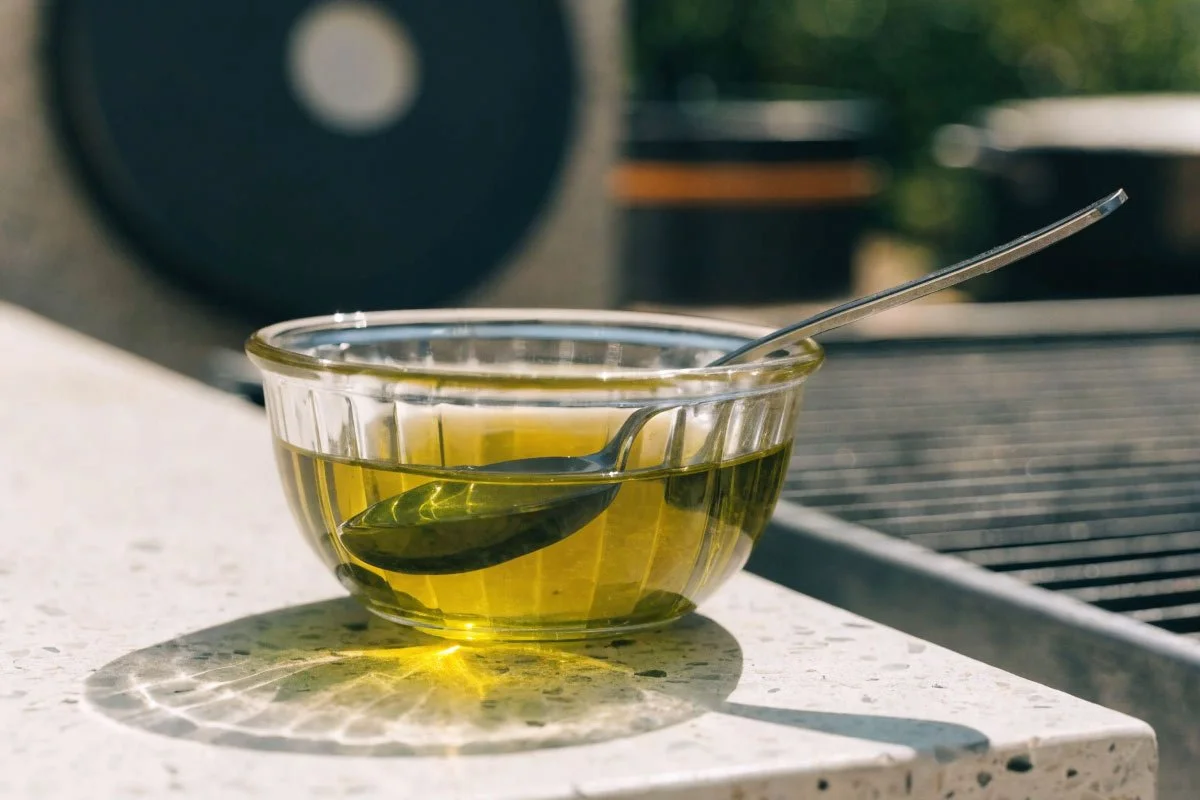
1. Extra Virgin Olive Oil
Why it Belongs
There aren’t many ingredients more versatile than a good EVOO.
Extra virgin olive oil is more than a cooking fat. It carries flavour, helps herbs and spices adhere to food, and provides richness without overwhelming the ingredients.
What it Contributes
Fresh fruit, pepper, richness and mouth feel.
Best With
Vegetables, seafood, poultry, steaks and grilled bread.
Live-Fire Applications
Marinades, herb sauces, vinaigrettes and finishing drizzles.
Fire Chef's Tip
Use your best olive oil after cooking, not before. High heat hides many of the subtle flavours that make premium oils worth buying in the first place. When in doubt, look for high-heat olive oil for the grilling part and keep the good stuff for the after-cook.
2. Neutral Cooking Oil
Why it Belongs
Sometimes flavour should come from the fire and other ingredients, and not the oil.
High-smoke-point oils allow you to sear confidently while not affecting your flavour profile. There is a lot to choose from here, including avocado oil (see below), peanut oil, canola, safflower, sunflower and others.
What it Contributes
Very little flavour and that is precisely the point.
Best With
Steaks, burgers, cast iron cooking and vegetables.
Live-Fire Applications
Griddle cooking, searing and seasoning cookware.
Fire Chef's Tip
Reserve neutral oils for high-heat cooking and save your finishing oils for the plate.
3. Avocado Oil
Why it Belongs
Avocado oil earns a special callout on this list. Its exceptionally high smoke point makes it one of the best oils for live-fire cooking.
What it Contributes
Richness with very little competing flavour.
Best With
Steaks, vegetables, seafood and poultry.
Live-Fire Applications
High-heat grilling, planchas and cast iron.
Fire Chef's Tip
When cooking directly over blazing lump charcoal, avocado oil is one of the safest choices.
4. Red Wine Vinegar
Why it Belongs
Smoke really loves acidity. Red wine vinegar is great because it cuts through rich barbecue while reinforcing the flavours found in grilled beef and lamb.
What it Contributes
Brightness, tang and subtle fruit.
Best With
Steaks, brisket, lamb and grilled vegetables.
Live-Fire Applications
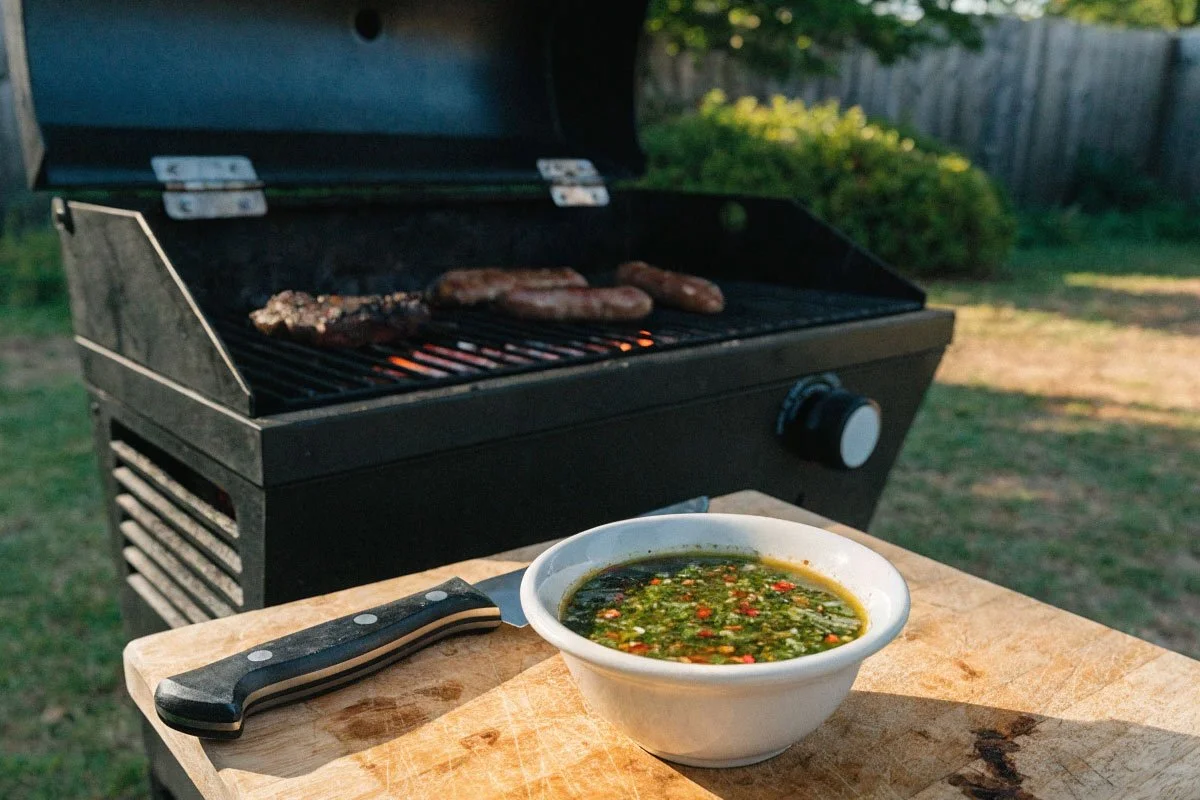
Steak salads, chimichurri, vinaigrettes and barbecue sauces.
Fire Chef's Tip
If your beef tastes rich but somehow "flat," try adding a teaspoon of red wine vinegar before adding more salt.
5. Apple Cider Vinegar
Why it Belongs
Most barbecue people are very familiar with apple cider vinegar, and for good reason.
Its gentle fruit character makes it very versatile.
What it Contributes
Fresh apple, acidity and balance.
Best With
Pulled pork, ribs, chicken and slaws.
Live-Fire Applications
Spritzes, mop sauces, Carolina-style barbecue sauces and brines.
Fire Chef's Tip
Apple cider vinegar is one of the easiest ways to brighten smoked pork without making it taste sour.
6. Sherry Vinegar
Why it Belongs
While not as well known as apple cider vinegar, sherry vinegar brings a deep, nutty and wonderfully complex addition. It may just become the "secret ingredient" in your sauces and vinaigrettes.
What it Contributes
Nutty richness, dried fruit and balanced acidity.
Best With
Beef, mushrooms, roasted onions and grilled peppers.
Live-Fire Applications
Pan sauces, reductions and grilled vegetable salads.
Fire Chef's Tip
Think of sherry vinegar as the bridge between wine and vinegar.
7. Balsamic Vinegar
Why it Belongs
Not every dish needs sharp acidity. Sometimes sweetness is part of the balance. Balsamic is good for a lot more than salads.
What It Contributes
Sweetness, fruit and gentle acidity.
Best With
Grilled peaches, strawberries, chicken, vegetables and pork.
Live-Fire Applications
Reductions, glazes and finishing drizzles.
Fire Chef's Tip
A few drops of quality balsamic added just before serving often adds a greater impact than reducing an entire cup.
8. Fresh Citrus
Why it Belongs
Sometimes the freshest acid is the best acid. Keep lemons, limes and oranges in your outdoor kitchen whenever possible and you’ll always be ready with the freshest of ingredients.
What it Contributes
Brightness, aroma and freshness.
Best With
Seafood, chicken, vegetables, tacos and grilled fruit.
Live-Fire Applications
Finishing, marinades, herb butter and vinaigrettes.
Fire Chef's Tip
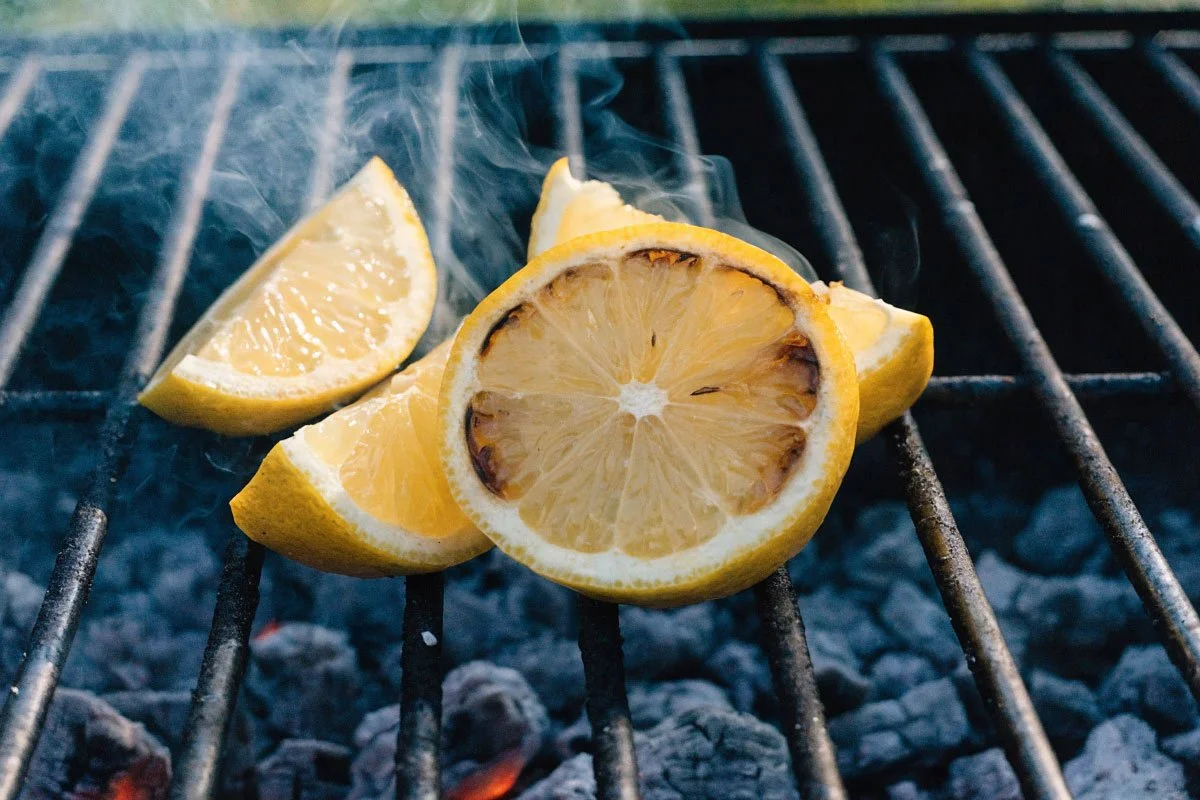
Grill citrus halves for a few minutes before squeezing them. The heat softens the fruit while adding subtle caramelized notes.
9. Dijon Mustard
Why it Belongs
Mustard is more than a condiment. It acts as an emulsifier, helping oils and vinegars stay blended while contributing gentle acidity and complexity.
What it Contributes
Tang, spice and richness.
Best With
Pork, chicken, sausages and vinaigrettes.
Live-Fire Applications
Marinades, salad dressings, sauces and herb crusts.
Fire Chef's Tip
A teaspoon of Dijon can transform a simple vinaigrette into a silky finishing sauce.
10. Worcestershire Sauce
Why it Belongs
Technically, this is neither an oil nor a vinegar, but it earns its place because it delivers something equally important to any dish: umami.
What it Contributes
Savouriness, depth, gentle sweetness and complexity.
Best With
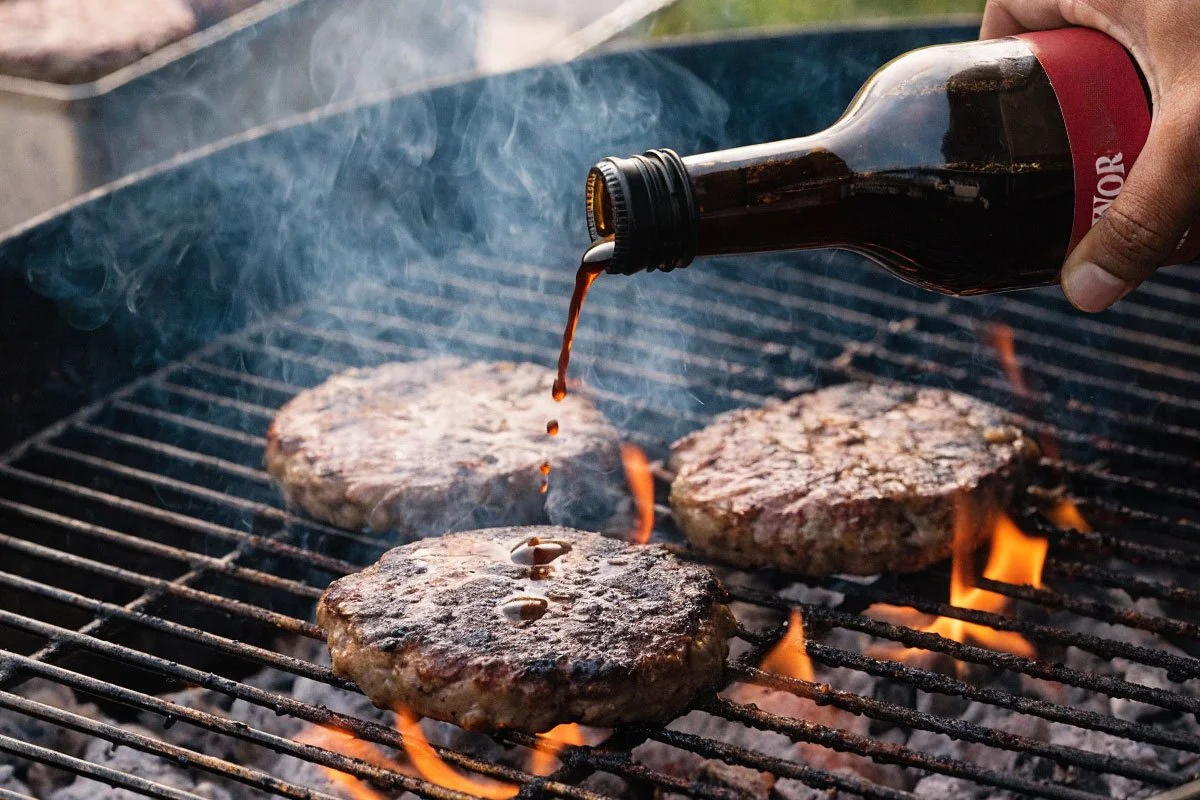
Beef, burgers, meatloaf, mushrooms and steaks.
Live-Fire Applications
Marinades, burger mixes, steak sauces and beef glazes.
Fire Chef's Tip
Worcestershire is often the missing ingredient when a beef marinade tastes complete but somehow lacks depth.
Choosing Quality
Not every ingredient has to have the highest price tag and it’s easy to overspend on things like olive oil.
Spend your money on a quality extra virgin olive oil and quality vinegars, where flavour differences are immediately noticeable, but you don’t have to go crazy.
Neutral oils are chosen for performance rather than flavour, so there’s not really a huge benefit to buying premium versions.
Fresh citrus is always worth keeping on hand, and don’t forget to replace oils regularly. Heat, light and oxygen are the enemies of freshness and when your oil starts to have bit of a smell, it’s usually time to refresh your stock.
The Essential Live-Fire Pantry
If you stocked your outdoor kitchen pantry with nothing more than these 10 ingredients, you could create hundreds of marinades, vinaigrettes, sauces and finishing touches:
Extra virgin olive oil
Neutral cooking oil
Avocado oil
Red wine vinegar
Apple cider vinegar
Sherry vinegar
Balsamic vinegar
Fresh lemons, limes and oranges
Dijon mustard
Worcestershire sauce
They may not be as glamorous as a perfectly marbled steak or a beautifully smoked brisket, but these quiet workhorses often make the difference between good barbecue and unforgettable barbecue.
Read more from the Live-Fire Pantry series: The Spice Rack.
By Mike Belobradic, founder of the Northern Barbecue™ Method of live-fire cooking.