
The Live-Fire Pantry: The Spice Rack Every Outdoor Cook Needs
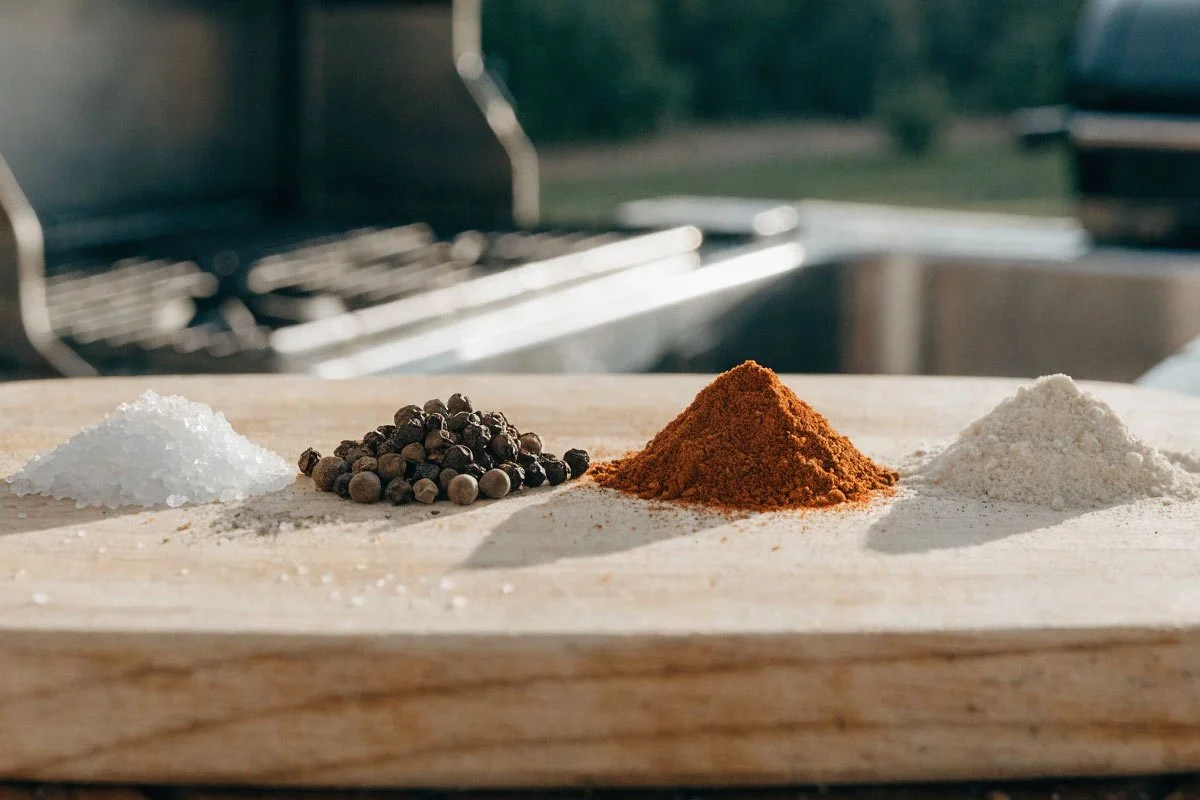
Great Barbecue Begins Long Before the Fire is Lit
Every memorable meal cooked over fire begins with three things:
Good ingredients.
Good fire.
Good seasoning.
It almost feels inevitable that a lot of barbecue cooks eventually accumulate dozens of jars of spices and rubs… but a well-stocked spice rack isn’t about collecting ingredients: it’s about understanding what each one contributes to a dish and whether or not you need to have it.
Think of spices as colours on an artist's palette.
Some provide warmth. Others bring sweetness, earthiness, brightness or heat. Fresh herbs contribute aroma. Salt enhances everything around it. Pepper adds structure. Garlic and onion create a savoury foundation.
When you understand the role that each ingredient plays, you’ll start to build flavour levels with more confidence.
This is the philosophy behind this Live-Fire Pantry post. These are the spices, herbs and aromatics that have earned a permanent place beside my grill.
The Core Spices for Live-Fire Barbecue
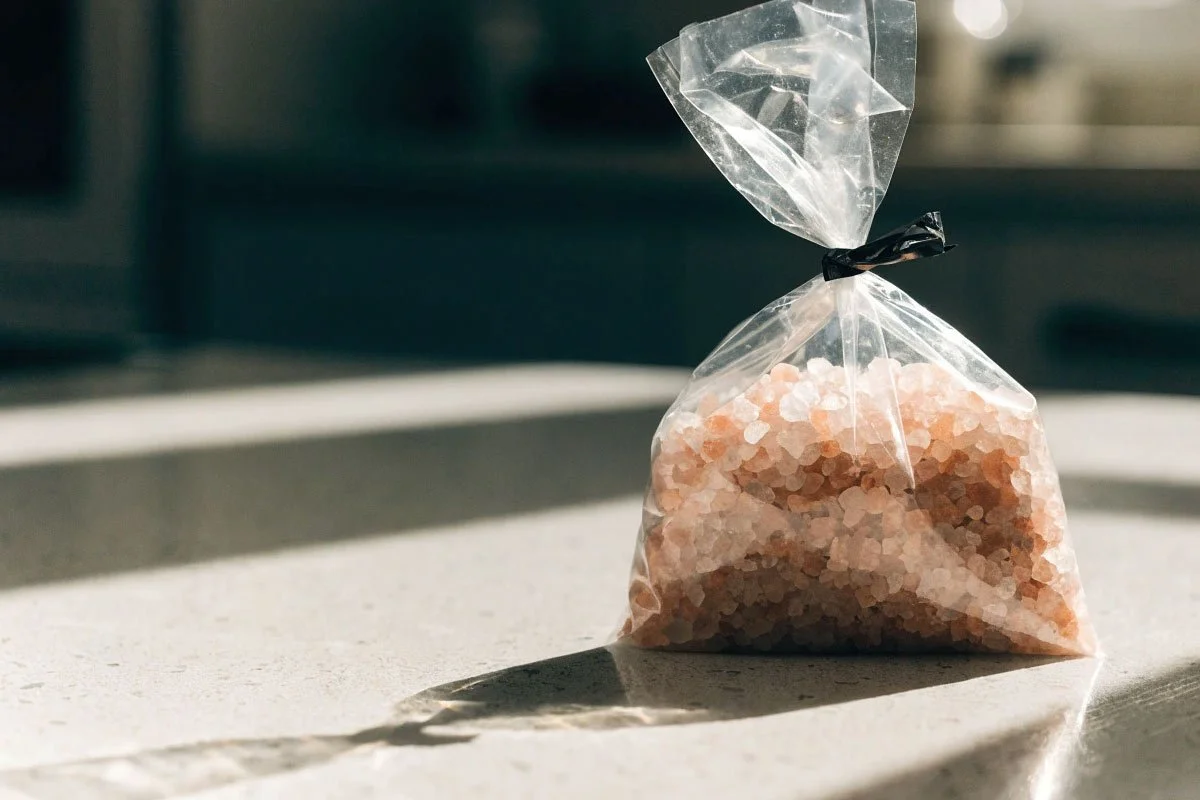
The Foundation: Salt
Why it Belongs
Salt isn’t simply another seasoning, it’s the seasoning that makes every other ingredient taste more like itself.
Without enough salt, herbs seem muted, spices lose their impact, and smoke feels flat. Too much salt and, well, it’s hard to come back from that.
Keep on Hand
Kosher salt
Flaky finishing salt
Fine sea salt
The salt category has a wide variety of unique and interesting options from which to choose, so it’s always worth experimenting with something you haven’t tried before.
Live-Fire Applications
Dry brining, seasoning meat, finishing grilled vegetables and steaks.
Fire Chef's Tip
Use coarse kosher salt before cooking and flaky salt just before serving. They perform two completely different jobs.
Freshly Ground Black Pepper
Why It Belongs
After salt, black pepper may be the most important seasoning in the live-fire pantry.
More than just adding a sense of heat, freshly ground black pepper contributes floral, citrus and earthy aromas that complement smoke and the rich flavours developed through grilling and barbecue. Freshly cracked pepper is a lot different than pre-ground pepper (especially if it has been sitting on a shelf for months), because the aromatic compounds dissipate quickly after grinding.
Best With
Beef, lamb, pork, mushrooms and hearty vegetables.
Live-Fire Applications
Dry rubs, steak seasoning, brisket, burgers, compound butters and finishing seasoning.
Fire Chef's Tip
Grind whole peppercorns only as you need them in order to capture their full aroma. For low-and-slow barbecue, freshly ground pepper can be applied with the rest of your seasoning before the cook. For high-heat grilling over blazing charcoal or direct flame, however, consider adding coarse black pepper after searing or near the end of the cook. Extreme heat can scorch the pepper's delicate aromatic oils, leaving a bitter taste instead of the fragrance you’re after.
Fire Science
Black pepper contains essential oils that give it its distinctive floral, citrus and peppery character. During low-and-slow cooking, those flavours mellow and integrate into the bark. Over intense direct heat, however, the oils can burn before the meat has finished cooking. Understanding when to season with pepper is another example of matching your technique to your fire—a hallmark of becoming a more confident live-fire cook.
Paprika
Why it Belongs
Paprika contributes far more to your dish than an interesting colour. Different styles offer sweetness, fruitiness, earthiness or gentle smoke.
Keep Several Styles
Sweet paprika
Hot paprika
Smoked paprika
Each has a different purpose.
Fire Chef's Tip
Since your grill already produces smoke, use smoked paprika thoughtfully. It should support—not replace—the flavour of real wood smoke.
Garlic
Why it Belongs
Few ingredients build savoury flavour more effectively than garlic in its many forms.
Keep on Hand
Granulated garlic
Garlic powder
Fresh garlic
Each behaves differently.
Fresh garlic shines in marinades and compound butters, while granulated garlic stands up well to long cooks.
Fire Chef's Tip
Granulated garlic usually distributes more evenly in barbecue rubs than garlic powder.
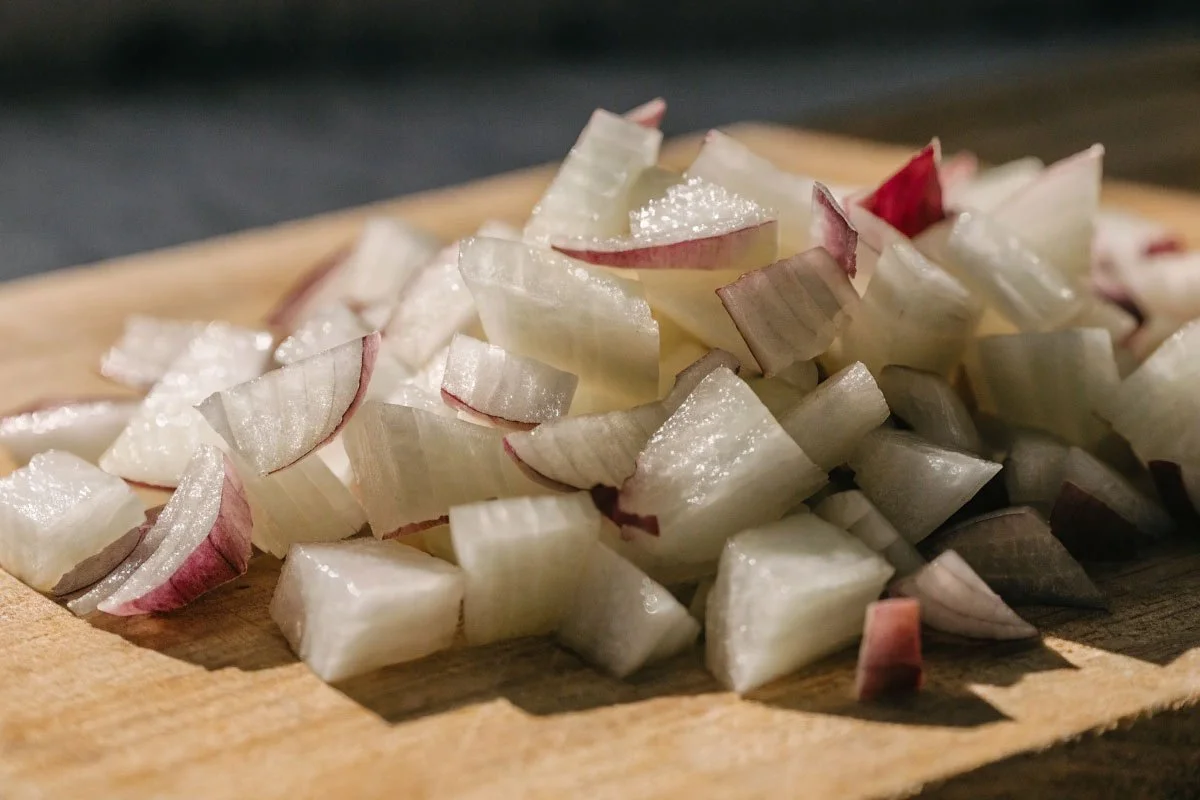
Onion
Why it Belongs
Like garlic, onion forms part of the savoury backbone of countless rubs and spice blends.
Keep on Hand
Onion powder
Granulated onion
Fresh onions
Shallots
Fire Chef's Tip
Fresh shallots caramelize amazingly beside a steak and create exceptional pan sauces.
Chile Peppers
Why They Belong
Mile to moderate heat is only one part of the story here. Different peppers contribute fruit, earth, smoke and sweetness.
Keep on Hand
Cayenne
Aleppo pepper
Chipotle powder
Ancho chile
Crushed red pepper flakes
Fire Chef's Tip
Choose peppers for their flavour first and their heat second.
Cumin
Why it Belongs
Earthy and warm, cumin is foundational in countless live-fire traditions, particularly from Mexico, North Africa and South Asia.
Best With
Beef, lamb, chicken and vegetables.
Fire Chef's Tip
Toast whole cumin seeds in a dry cast iron skillet before grinding them. The aroma is out of this world.
Coriander
Why it Belongs
Bright, citrusy and surprisingly versatile, coriander softens richer spices.
Best With
Chicken, seafood, pork and vegetables.
Fire Chef's Tip
Many people who dislike cilantro happily enjoy coriander seed because its flavour is completely different. If you’ve tried one but not the other, do yourself a favour and try them both so you are fully aware of the differences.
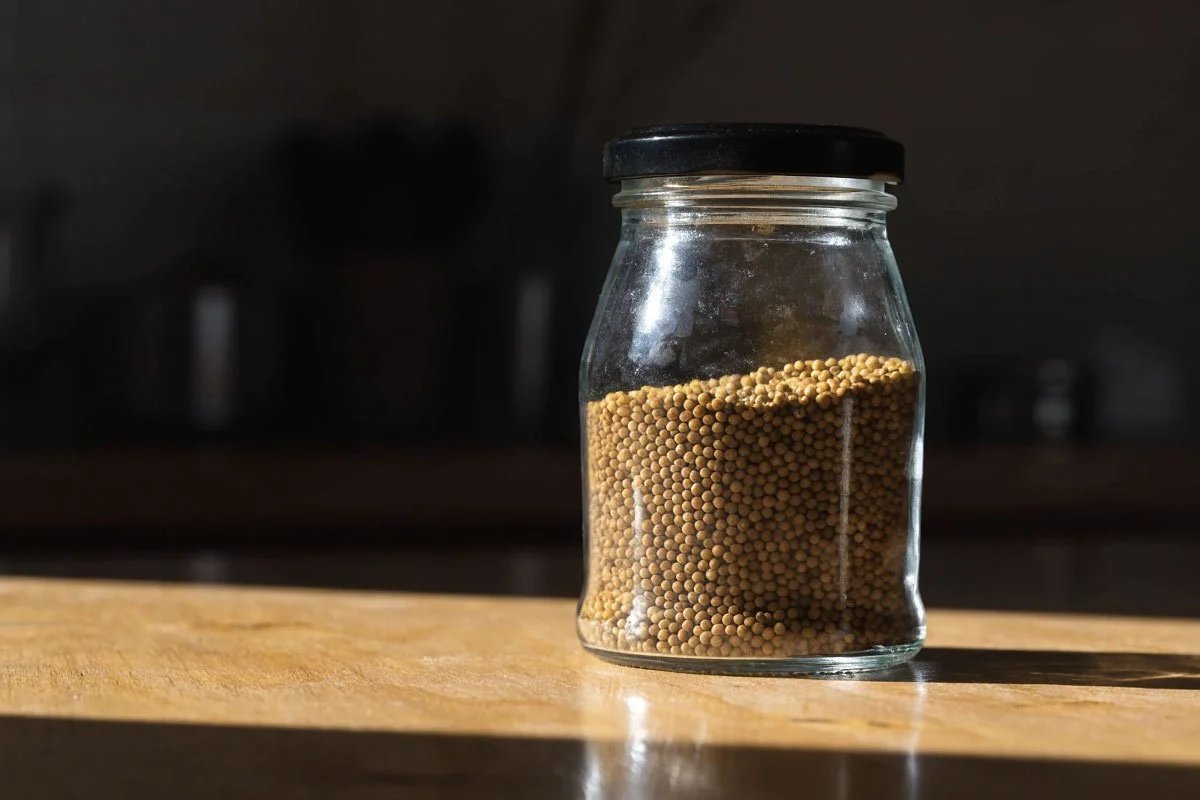
Mustard Seed
Why it Belongs
Mustard seed is an excellent way to add gentle heat and complexity without dominating a rub.
Keep both whole and ground mustard seed on hand.
Fire Chef's Tip
Whole mustard seeds are great in pickled vegetables served alongside smoked meats.
Cinnamon, Allspice and Clove
Why They Belong
Warm spices are often overlooked in barbecue, but they shouldn’t be. Used carefully, they add an exceptional level of depth to pork, lamb and game.
Fire Chef's Tip
Think of these as background musicians, not lead singers: a little goes a very long way.
Fresh Herbs: The Outdoor Cook's Secret Weapon
Many cooks think of herbs only as garnishes, but we live-fire cooks know better.
Fresh herbs become tools that can perform many necessary functions. They can perfume butter, flavour marinades, create aromatic smoke and they can even become brushes for basting and flavouring (a personal favourite use).
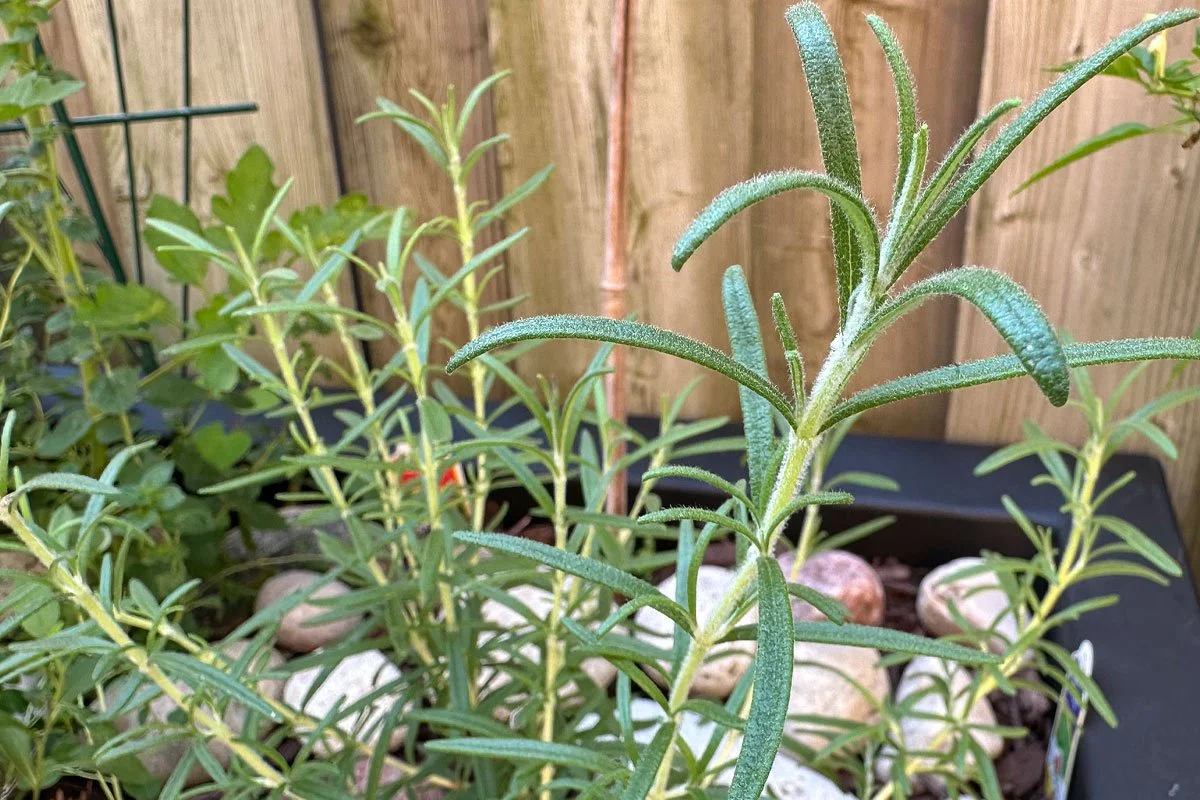
Rosemary
Excellent for lamb, potatoes and beef, bundle several sprigs of rosemary together to create an herb brush for basting steaks with butter. I keep rosemary in my herb garden for this very reason.
Fire Chef's Tip
Save the woody stems after stripping the leaves — they can make excellent skewers for smaller foods.
Thyme
Thyme is one of the most versatile herbs in outdoor cooking. Tie fresh thyme into small bundles and use it to baste steaks, chicken and vegetables with melted butter. You’ll quickly discover that its aroma can fill a large cooking area.
Fire Chef's Tip
Fresh thyme thrives in compound butter.
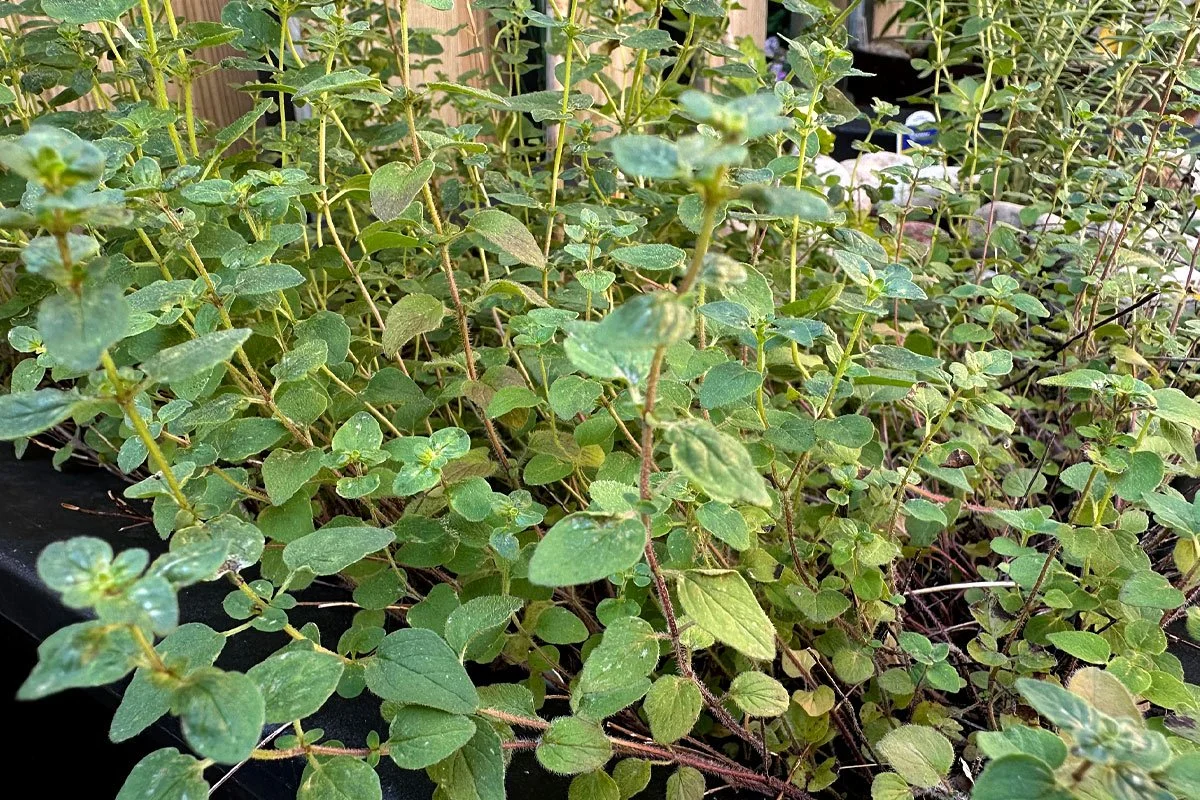
Oregano
Earthy and slightly peppery, oregano is top notch with pizza in the brick oven, along with grilled chicken, lamb, beef and Mediterranean-style barbecue.
Tie fresh oregano into herb bundles alongside rosemary and thyme for butter basting.
Fire Chef's Tip
Fresh oregano tastes dramatically different from dried oregano. Try them both side-by-side (if you haven’t before) and keep both on hand. Oregano grows quite easily in an herb garden.
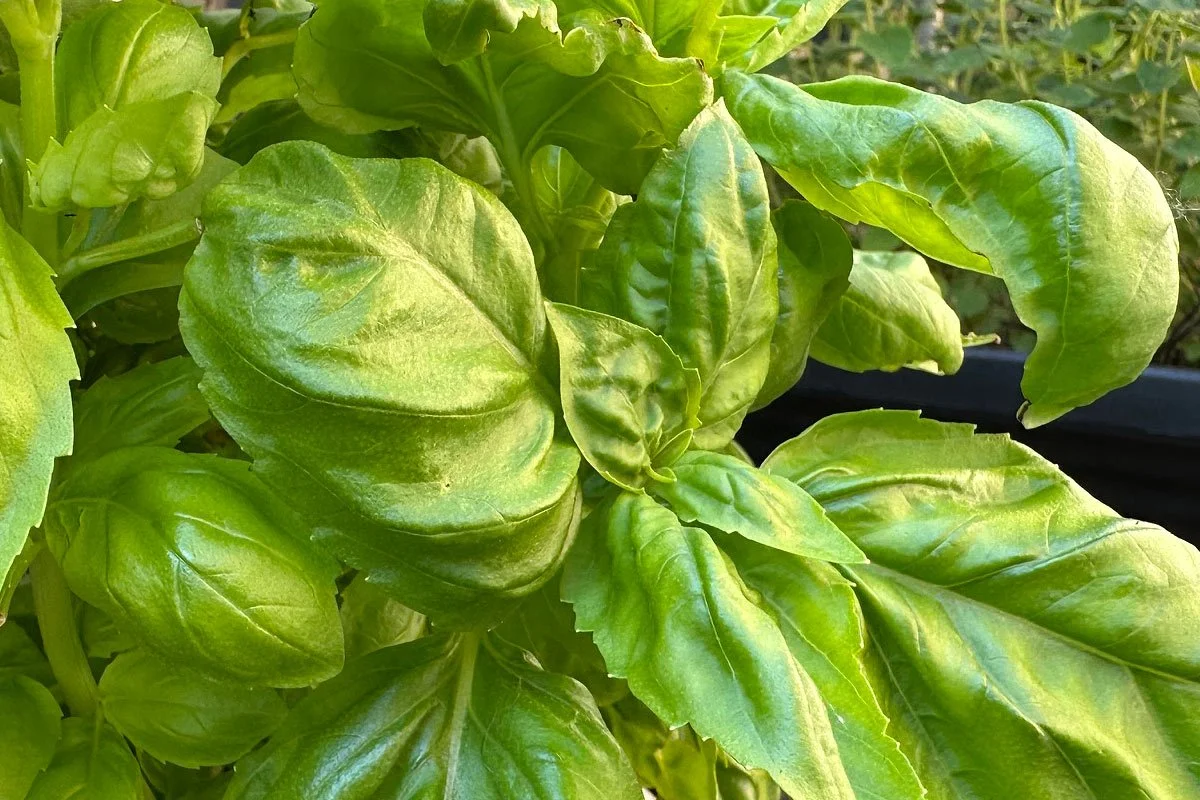
Basil
Sweet basil is usually associated with Italian cooking, but it shines on the grill as well (not to mentino the wood-fired brick oven).
Use fresh basil in finishing sauces, grilled tomato salads, herb oils and fresh pestos served with grilled meats.
Fire Chef's Tip
Never cook basil for long over high heat. As on artisan pizza, add it towards the end of the cook to preserve its bright flavour.
A few Quick Hits: Supporting Cast
Sage
Perfect with poultry, pork and brown butter, fresh sage leaves crisp beautifully in butter.
Parsley
Bright, fresh and indispensable, parsley is essential for chimichurri, salsa verde and countless finishing sauces.
Cilantro
This is the foundation of many Mexican and Latin American grilled dishes. It is particularly good with lime, tequila and grilled seafood.
Build Your Own Flavour Library
Rather than memorizing recipes, begin by learning a few solid combinations. If you think in families, it can be easier to remember.
Mediterranean
Oregano | Rosemary | Thyme | Garlic | Lemon | Olive oil
Latin American
Cumin | Coriander | Chile peppers | Lime | Cilantro
Middle Eastern
Cumin | Coriander | Cinnamon | Allspice | Mint | Parsley
South Asian
Turmeric | Coriander | Cumin | Cardamom | Ginger
Classic North American Barbecue
Paprika | Black pepper | Garlic | Onion | Mustard | Cayenne | Brown sugar
Once you understand these foundations, creating your own rubs becomes second nature and likely much more cohesive.
Buying Better Spices
Here are a few things to keep in mind when you go spice shopping. Spices are agricultural products, meaning they generally do not improve with age.
Buy smaller quantities and replace them regularly. Always store them away from heat and sunlight.
Whenever possible, purchase whole spices and grind them yourself. The flavour difference is significant.
Fresh herbs should be replaced often during grilling season. Even better, grow them yourself if you can A few inexpensive pots of rosemary, thyme, oregano and basil growing near the barbecue will outperform almost anything from a jar.
Your Essential Live-Fire Spice Rack
If you're starting from scratch, begin here:
Foundation
Kosher salt
Flaky finishing salt
Black pepper
Core Spices
Sweet paprika
Hot paprika
Smoked paprika
Garlic
Onion
Cumin
Coriander
Mustard
Chile powders
Cinnamon
Allspice
Clove
Fresh Herbs
Rosemary
Thyme
Oregano
Basil
Sage
Parsley
Cilantro
When you stock these ingredients, you can confidently season everything from brisket and ribs to seafood, vegetables and pizza cooked over live fire.
Remember: a great live-fire barbecue spice rack isn’t about how many jars you own: it’s about how confidently you understand the flavours inside them.
That confidence is what transforms recipes into instinct—and instinct into truly memorable live-fire cooking.
Read more from the The Live Fire Pantry: Oils, Vinegars and Acids.
By Mike Belobradic, founder of the Northern Barbecue™ Method of live-fire cooking.