
How Does a Smoker Make Smoke?
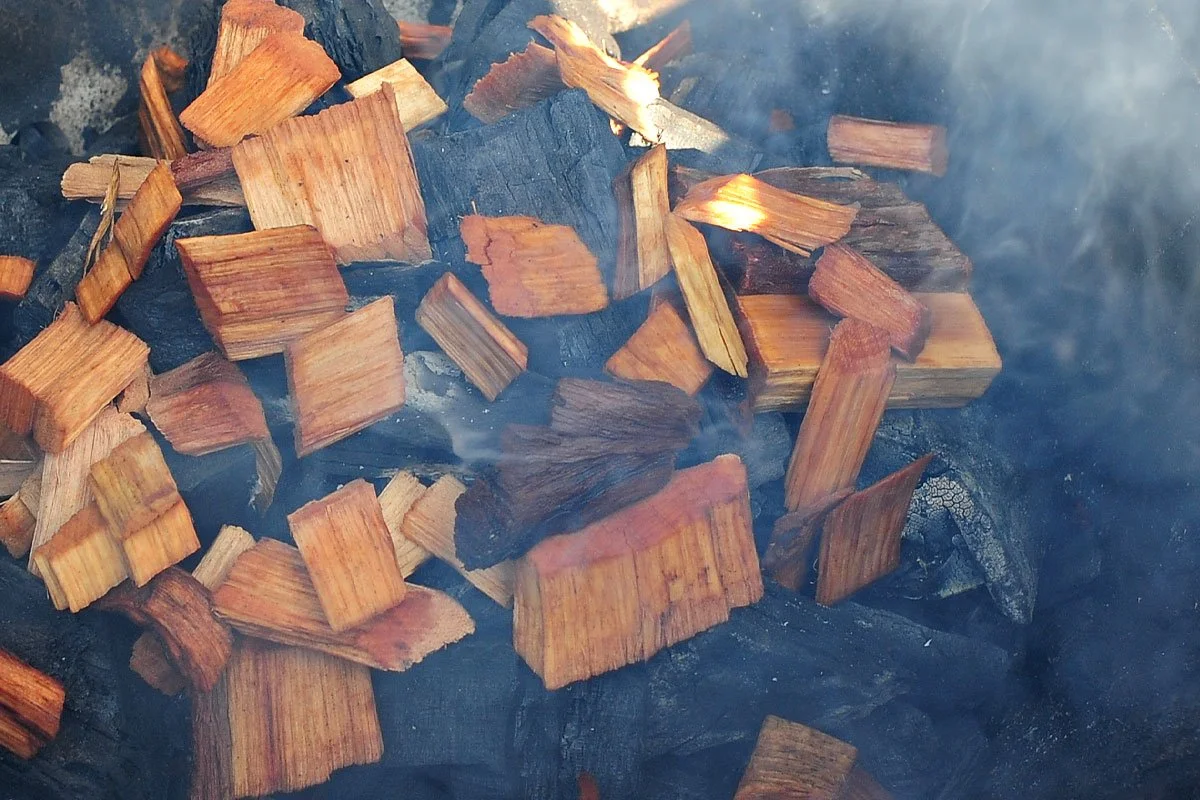
A smoker makes smoke by burning hardwood in a controlled environment where airflow, temperature, and fuel load determine how cleanly the wood combusts.
Do all smokers make smoke the same way?
If you’re new to smokers and smoking foods, it’s well worth your time to understand the process by which smoke is made, along with the differences between good smoke and bad smoke (yes, that’s a thing).
In live‑fire cooking (that includes hardwood lump charcoal), smoke is a byproduct of wood breaking down under heat. When oxygen is balanced, the wood burns cleanly and produces flavourful smoke. When oxygen is restricted, the wood smoulders and produces heavy, dirty smoke.
The design of a smoker (upper and lower vents, firebox size, chimney height) controls how the fire breathes and how the smoke moves across the food. All smokers do not create smoke the same way. There is a difference between charcoal/hardwood smokers and electric or gas smokers. Hardwood, wood chips and lump charcoal produce the most robust and natural smoke.
Always remember: a true smoker isn’t a machine — it’s a controlled fire with walls around it that is used as a cooking chamber. As in all cooking, the quality of your ingredients matter.
Want to know more about smoke and smokers? Read my Complete Guide to Smoke in Hardwood Barbecue.
By BBQ Chef Mike Belobradic