
The Best White Wines for Your Summer Barbecue
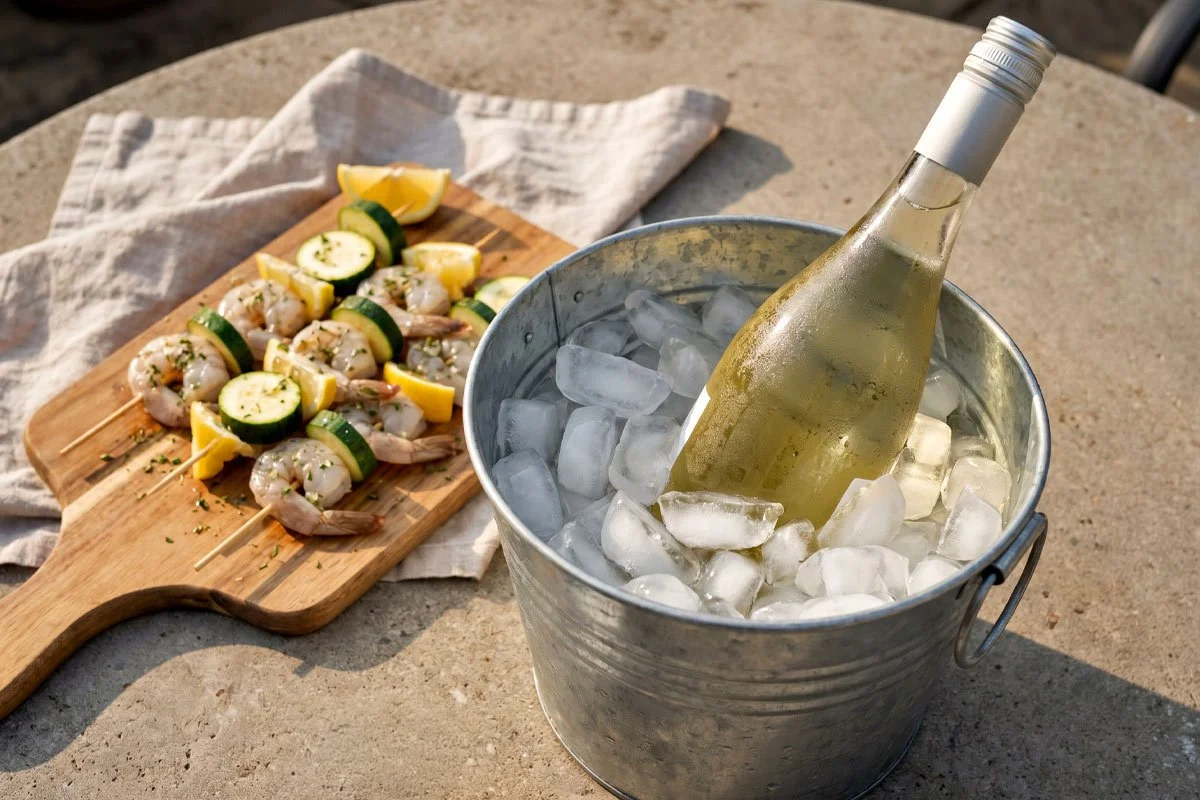
White Wine at the Grill Deserves More Respect than it Gets
Do you ever feel that white wines tend to get pushed aside at a barbecue? Maybe they earn a spot as something to sip before the food comes out, but then they quietly get replaced by a red once the grill gets going.
That's a missed opportunity.
White wine lovers know that the right white wine doesn't just survive beside live-fire food: it can be the best pairing on the table. A good white wine can cut through fat, echo smoky flavours, and keep summer meals feeling light (even when the food isn’t).
The key to getting it right is understanding which grape varieties have the structure and character to stand up to fire, and which proteins and cooking methods suit them best. When cooking over a live fire or hardwood lump charcoal (where smoke is a genuine flavour variable), those choices matter even more.
Here's where to start to pick the best white wine for your next barbecue.
How to Pick the Right White for Your Barbecue
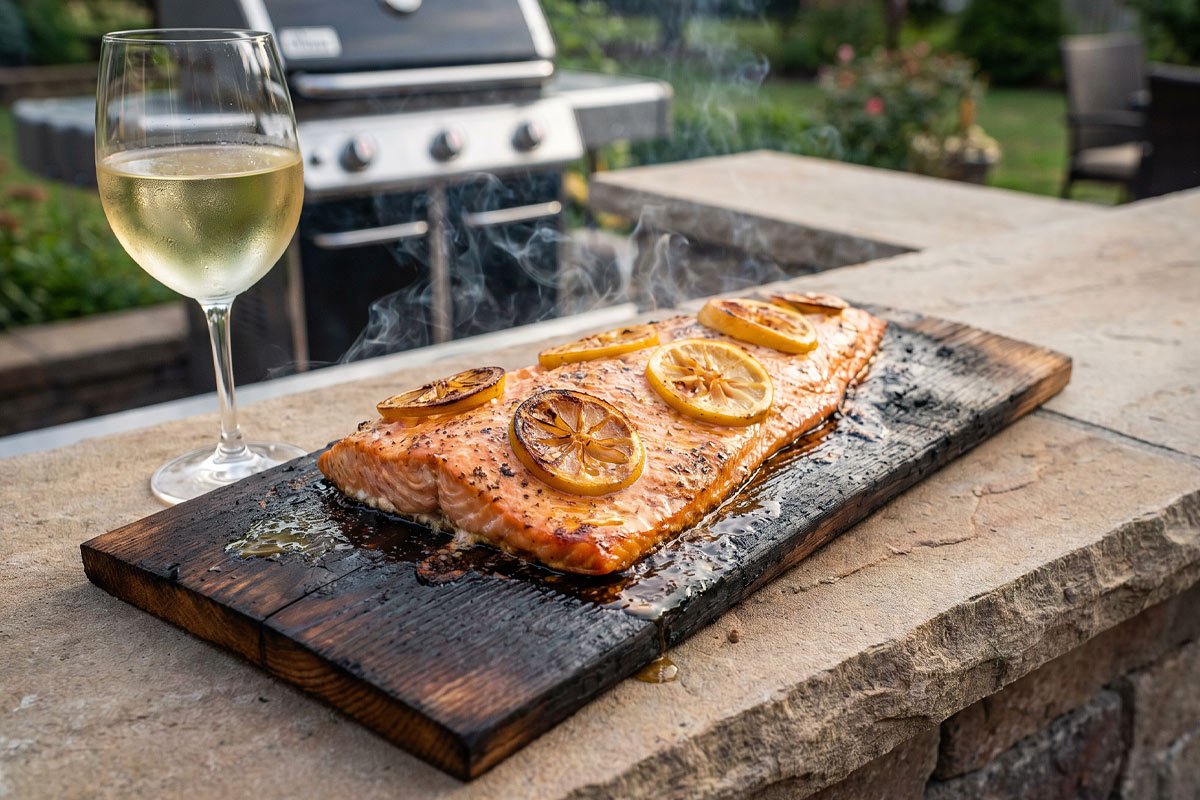
Chardonnay: The White that Thinks Like a Red
Best with: Grilled chicken, cedar plank salmon (over gas), pork tenderloin
Chardonnay is going to be your most versatile white at a barbecue, and the reason is oak.
A Chardonnay aged in oak barrels carries vanillin, toast, and spice notes that mirror the compounds produced when hardwood or charcoal burns. Over a live-fire cooking setup or lump charcoal, that connection becomes almost structural — the wine and the food are speaking a related flavour language. That’s a good thing.
For grilled chicken (especially thighs or a spatchcocked chicken cooked over indirect hardwood charcoal) an oaked Chardonnay is a natural. The wine's body and slight creaminess complement the fat in the skin, while its oak character will work with whatever wood smoke is in play.
For pork tenderloin (particularly with a mild wood like apple or pecan in the fire) Chardonnay brings together the meat, the subtle smoke, and any fruit-forward glaze very well.
A note for cooking cedar plank salmon: this is one protein where I personally prefer to use a gas grill over live fire. I rarely (if ever) use gas, except in this situation. The cedar plank itself is already introducing wood smoke to the fish, so when you layer even more hardwood charcoal smoke underneath the plank, it can push the wood flavour into overwhelming territory. That is not good. Over gas, you get clean, even heat and the cedar character comes through clearly. In that context, a Chardonnay — particularly one with restrained oak and good acidity, is a winner.
If you’re in the Niagara wine region, or have access to their wine, you’ll find some of Canada's finest Chardonnays. There’s everything from the leaner, mineral styles of the Beamsville Bench to the richer, more textured expressions from the Niagara-on-the-Lake appellation. Both styles work well at the grill — choose the leaner style for fish and the richer style for chicken and pork.
A Note About the Fuel Being Used: Over gas or pellets, unoaked or lightly oaked Chardonnay works fine — there's no wood-fire smoke to compete with. Over lump charcoal or live hardwood, reach for a more fully-oaked expression so the wine has enough character to hold its own.
Riesling: The Underrated Grill Wine
Best with: Grilled sausages, pork tenderloin, chicken, maple or applewood smoked dishes
Riesling might be the most underrated white wine at a summer barbecue. It has everything you need: high natural acidity to cut through fat and char, aromatic intensity that can stand up to smoke, and — in off-dry expressions — just enough residual sweetness to complement the caramelization of grilled food.
With grilled sausages in particular, Riesling earns its place. The combination of fat, snap, and smoke in a good sausage wants acidity and a touch of sweetness to balance it — and a slightly off-dry Riesling delivers both. This is one of my favourite pairings: a mixed grill of quality sausages over hardwood lump charcoal, alongside an off-dry Riesling. It delivers every time.
For maple or applewood smoked chicken or pork, a Riesling's aromatic profile echoes the gentle sweetness of those woods without competing. Dry Riesling works especially well here if you like to avoid any sweetness in your wine — the acidity alone does the work.
Several Niagara Rieslings are truly world-class, particularly from the Beamsville Bench and Twenty Mile Bench sub-appellations. Look for wine producers working in both dry and off-dry styles and choose based on the sweetness level of your food. Off-dry with sausages; dry with leaner proteins.
A Note About the Fuel Being Used: Riesling's aromatics are delicate enough that they can be challenged by very heavy smoke. With live-fire cooks over hardwood heat, keep your smoke moderate. Over gas or pellets, any style of Riesling usually works cleanly.
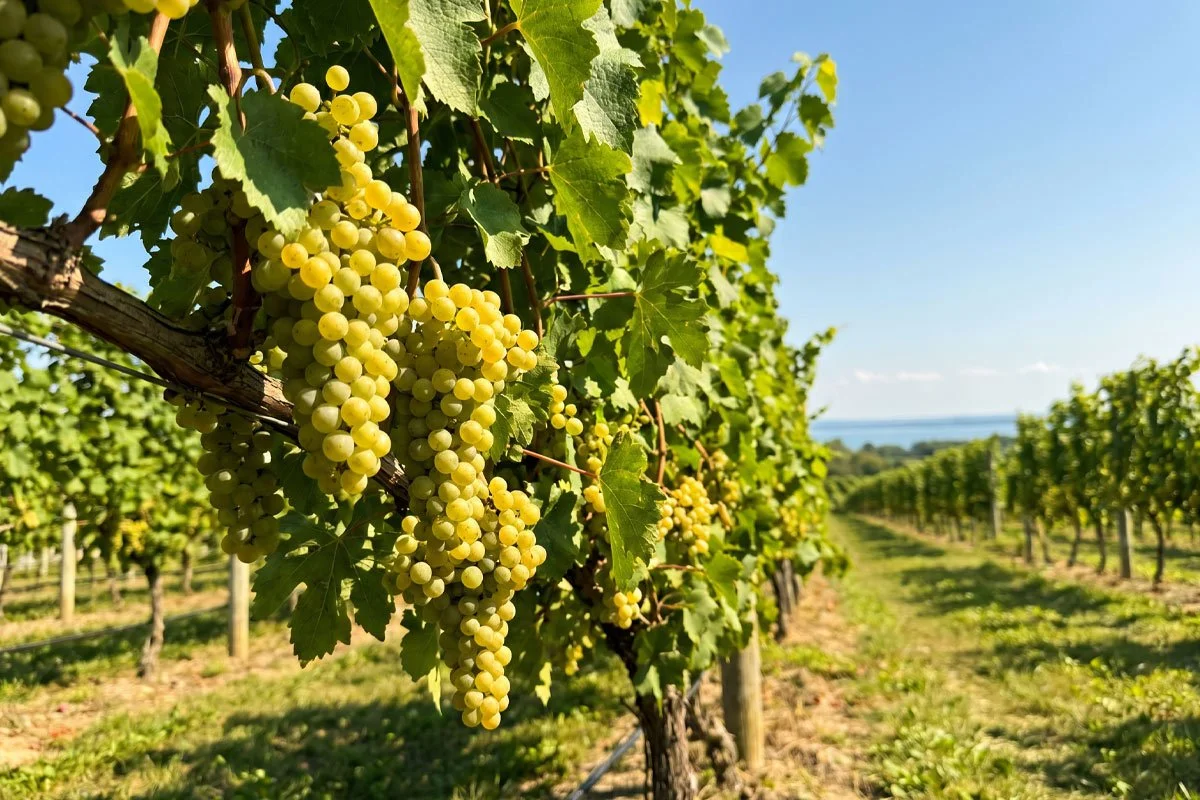
Sauvignon Blanc: Bright and Refreshing
Best with: Grilled chicken, seafood, lighter sausages, applewood smoked dishes
Sauvignon Blanc brings something different to the barbecue table — herbaceous, citrus-forward, and acidic. With a Sauvignon Blanc, it’s less about harmonizing with smoke and more about cutting through it. That contrast approach works really well with lighter proteins where you don't want the wine to compete with the food.
Grilled chicken breast (direct heat, minimal smoke) is a natural. The wine's acidity and grassiness refresh the palate between bites in a way that heavier whites can't. For seafood — grilled shrimp, light fish fillets, or the cedar plank salmon over gas mentioned above — Sauvignon Blanc is a reliable, crowd-pleasing choice.
With applewood smoked dishes, Sauvignon Blanc's citrus notes make for a really nice contrast to the wood's mild tangy character. It's a pairing that wakes up the palate rather than soothing it — a good thing when you're eating outdoors in summer heat.
There are a great variety of Suavignon Blancs from which to choose. Niagara wine region Sauvignon Blancs have improved quite a bit in recent years, so if you’re doing wine tours in this region they are worth sampling to find one you like. Look for examples with good acidity and restraint. I find that the most interesting ones lean into the region's cooler character rather than trying to mimic warmer-climate styles.
A Note About the Fuel Being Used: Sauvignon Blanc's delicate aromatics are best suited to gas, pellets, or lightly smoked lump charcoal setups. Heavy smoke will flatten this wine's character, which is precisely what makes it interesting.
Pinot Gris/Pinot Grigio: The Crowd-Pleaser
Best with: Grilled chicken, burgers, pork tenderloin, sausages
Pinot Gris — particularly in the Alsatian style (from the Alsace region of France), which tends to be fuller-bodied and slightly smoky in its own right — is a very useful white at a barbecue. It has more weight than Sauvignon Blanc, less oak influence than Chardonnay, and a slightly spicy, honeyed quality that bridges smoky food and wine without requiring much thought.
The slightly smoky note that appears in some Pinot Gris expressions (particularly Alsatian and good Niagara examples) is no coincidence — it's a natural aromatic characteristic of the grape. This is one of the reasons Pinot Gris at a live-fire barbecue can feel almost inevitable: the wine already has a faint echo of what the fire is contributing to the food.
The burger pairing deserves a mention. When you cook a leaner, well-seasoned burger on a live fire, without heavy condiments, it is a perfect match for a full-bodied Pinot Gris. It's a genuine conversation-starter at a summer gathering.
There are so many great Pinot Gris/Pinot Grigio wines available from wine regions around the globe. In the Niagara wine region, you will find good Pinot Gris in both lighter, crisper styles and fuller, more textured expressions. For the barbecue, the fuller styles are a more interesting choice to explore.
A Note About the Fuel Being Used: Pinot Gris is versatile across fuel types. The fuller-bodied Alsatian style holds up well over lump charcoal and live fire; lighter Pinot Grigio styles are better suited to gas.
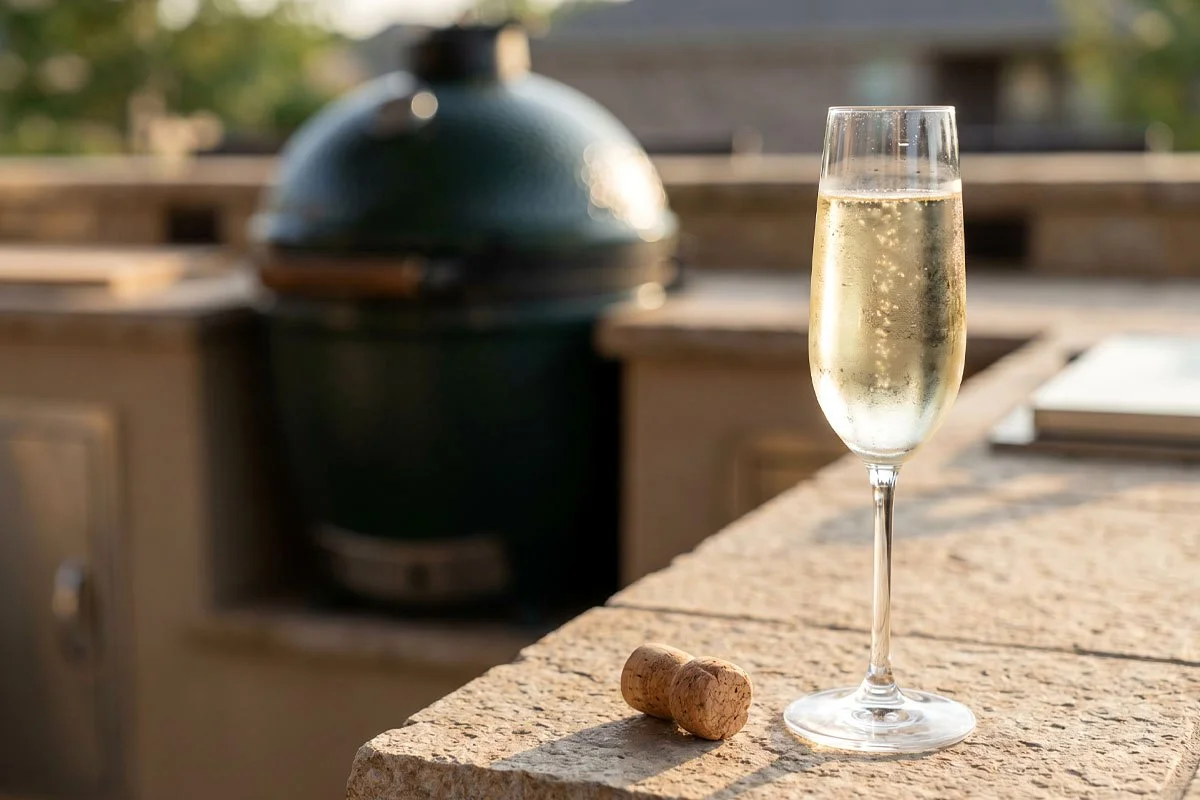
Sparkling Wine: The One that Works with Everything
Best with: Sausages, burgers, grilled chicken, charcuterie, the entire spread
Don't overlook sparkling wine at a summer barbecue. The bubbles do what acidity does, but they do it more aggressively — cutting through fat and char and resetting the palate constantly. A traditional method sparkling wine has the toasty, bready yeast character from extended lees aging that creates a natural bridge to grilled and smoked food.
This is a very solid pairing with sausages and mixed grills — the kind of spread where you're eating across multiple flavours and fat levels and you need a wine that resets cleanly between bites. Nothing does that better than the bubbles of a great sparkling wine.
Several Niagara producers make serious traditional method sparkling wines that rival good Champagne at a fraction of the price. These deserve to be on your barbecue table.
A Note About the Fuel Being Used: Sparkling wine is fuel-agnostic — it works across gas, charcoal, and live fire, which makes it the safest white choice when you're not sure who's running the grill.
A Word on White Blends: When the Winemaker has Already Done Some of the Work
Once you understand how individual white grape varieties behave at the grill, blends start to make a lot of sense.
While some people think blended wines are automatically lower quality, this is not a fair statement. A well-crafted white blend isn't a compromise — it's a winemaker using multiple varieties to build range and balance that no single grape can achieve alone. For barbecue pairing, that range is actually an asset: a blend with Chardonnay's body, Riesling's acidity, and Pinot Gris's aromatic weight has more flexibility across a variety of grilled food than any of those varieties on their own.
In Niagara, two blends worth knowing are the Stratus White (Stratus Winery) and the Open White (from Open Wines, and a great value wine if you want something to grab-and-go). Both are reliable, food-driven wines built from multiple varieties — the kind of bottles that reward you at a table with multiple dishes and fuel types in play. They're not one-note, which makes them particularly well-suited to a big barbecue spread where you're moving across chicken, sausages, and lighter proteins over the course of a meal.
If you're entertaining and want one white on the table that works from the first sausage to the last piece of grilled fish, a well-made Niagara white blend is one of the smartest choices you can make.
A Quick Reference for White Wines and Barbecue
Read my companion piece: The Best Red Wines (and Rosés) for Your Summer Barbecue. See more from the Smoke Fire Grill™ and Wine series.
By Chef Mike Belobradic, creator of the Northern Barbecue™ Method and WSET Level 1 certified in wine and spirits. Based in Oakville, Ontario — an hour from some of Canada's finest wine country. Contact me for media or speaking inquiries, or any other inquiries.