
Hickory, Oak, Cherry and Maple: How Wood Smoke Changes Your Wine Choice
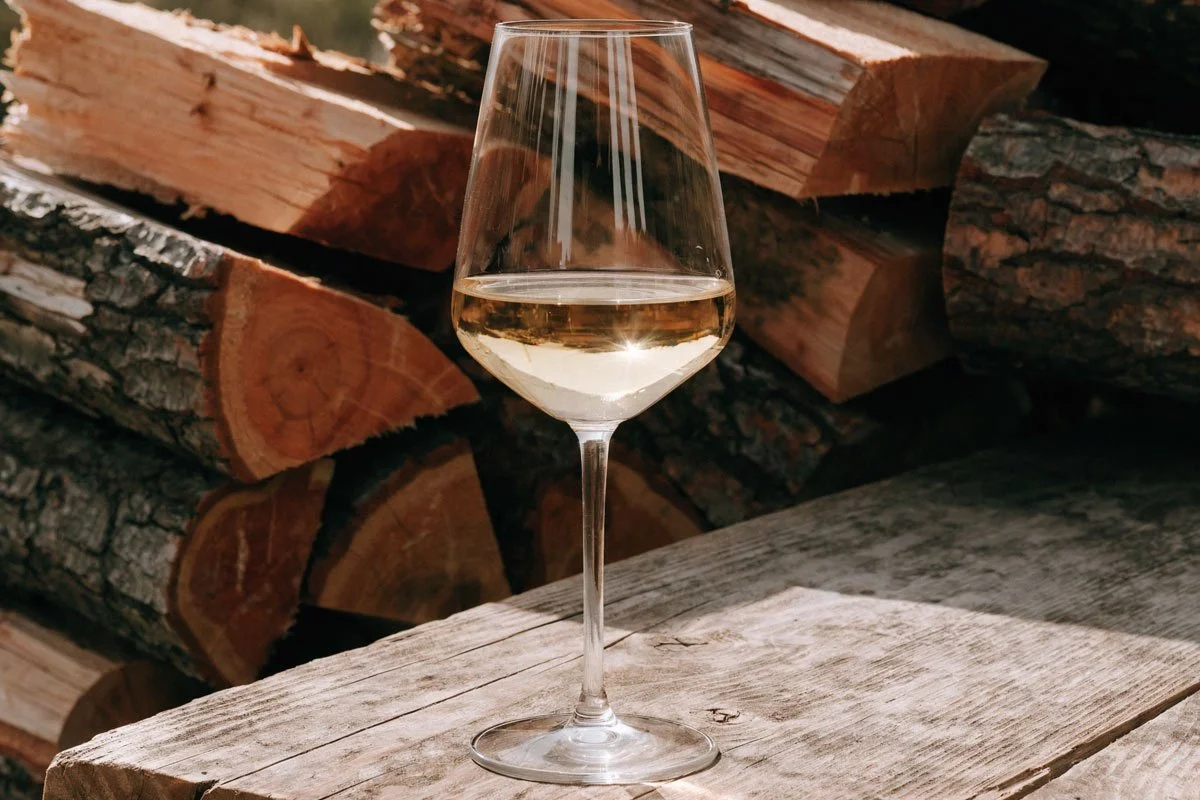
The Wood You Burn is the Seasoning You Choose (and it Should Drive Your Wine Selection)
If you've read Backyard BBQ & Wine Pairing: Gas vs Charcoal vs Wood-Fired Explained, you already know that fuel type is the first variable in any serious fire and wine pairing. But "wood-fired" isn't just one flavour — it's a whole family of them. Oak, hickory, cherry, maple, applewood, mesquite, and pecan each contribute a different aromatic signature to your food, and each one slightly nudges your wine pairing in a different direction.
This is where the Northern Barbecue™ fire and wine approach gets specific. Once you start treating different wood species as different seasonings (and not just as a heat source), your wine list starts to look less like a single "barbecue wine" and more like a selection of options matched to the wood on your fire.
Why Wood Species Matters for Wine Pairing
Let’s get a little scientific for a moment.
When wood burns, it releases compounds like guaiacol, syringol, and various phenols that land on the surface of your food. These compounds hit your palate as smoke, char, spice, vanilla, or even a bacon-like savouriness, depending on the wood you use. Some woods burn "cleaner" with subtle sweetness; while others are aggressive and more resinous.
That intensity and character directly affects not only what you’re cooking, but also how a wine's tannin, oak, fruit, and acidity show up next to the food.
A wine that shines next to a cherry-smoked chicken thigh might taste thin and overwhelmed next to mesquite-smoked brisket. That’s not only because the protein changed, but also because the smoke profile changed.
Popular Cooking Woods and How they Impact Your Wine Pairings
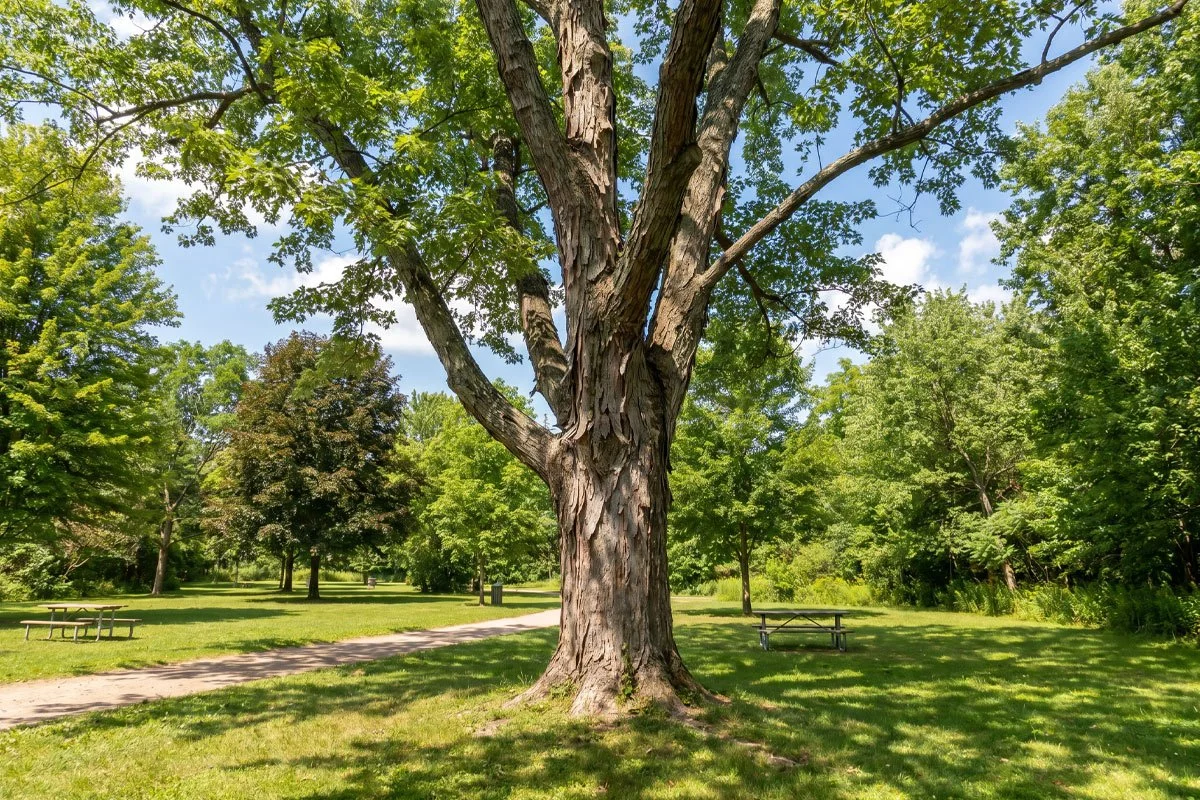
Shagbark Hickory (Carya ovata).
Hickory: Bold, Bacon-Like, Slightly Sweet
Hickory is a classic barbecue hardwood. It’s strong, savoury, and has a bacon-like richness and a faint sweetness underneath the smoke. It's assertive enough to stand up to big cuts (ribs, pork shoulder, brisket) without disappearing.
Hickory Wine pairing direction:
Hickory's intensity calls for wines with enough fruit concentration and structure to not get overwhelmed, but the smoke's slight sweetness means you don't need to fight it with heavy tannin in your wine.
A fruit-forward Zinfandel, or a Syrah/Shiraz (with some pepper and dark fruit) would work well here. The Syrah’s spice notes will actually echo the smoke instead of competing with it.
For white wine fans, an oaked Chardonnay with enough body can hold its own against hickory-smoked chicken or pork.
Oak: Familiar, Balanced, and Wine-Friendly by Nature
Oak is the wood most wine drinkers already have a relationship with because oak barrels are commonly used to age certain wines (along with whiskies and bourbons). Oak smoke is moderate: warm, very slightly sweet, but without the aggressive resin notes of mesquite or the fruitiness of fruitwoods. Oak is seen as a "default" wood for good reason: it plays well with almost everything.
Oak Wine pairing direction:
Because oak smoke doesn't push hard in any direction, it's the most forgiving wood for wine pairing.
Oak-smoked steak or lamb works very well with a Cabernet Sauvignon or a Bordeaux-style blend — the wine's own oak-derived vanilla and spice notes harmonize with the smoke from the cook, instead of clashing with it.
Oak is a good "safe" wood to use in your cook when you're serving a wine you already love and you don't want to second-guess or get overly complicated with wine choices (which is easy to do in the wine world).
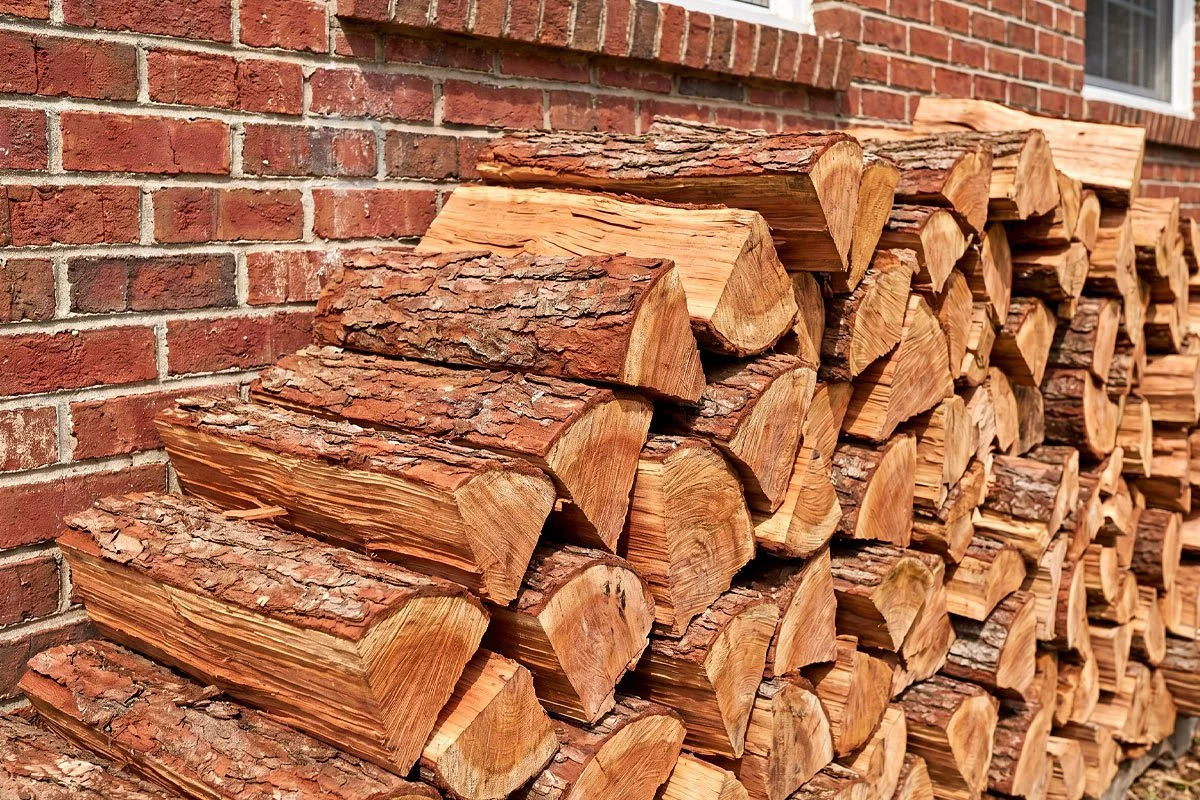
Cherry split hardwood.
Cherry: Fruity, Mild, Slightly Tart
Cherry wood burns mild and sweet, with a fruity character that can add a faint reddish hue to poultry and pork. It's subtler than hickory or mesquite, which makes it a favourite for chicken, turkey, and pork where you don't want the smoke to dominate.
Cherry Wine pairing direction:
Cherry's fruit-forward character creates a natural bridge to wines with their own bright red fruit. Consider Pinot Noir or Gamay (a good Gamay is a personal favourite here). The wine's red-fruit notes mirror the smoke's character instead of fighting it.
If you want a more contrasting approach, a dry rosé can play off the sweetness of Cherry wood smoke, while still keeping the dish feeling light. Avoid heavily tannic reds with cherry wood. Cherry smoke is too gentle to stand up to them, and that pairing will feel lopsided.
Maple: Subtle, Sweet, Northern
Classic Canadian Maple is a much “quieter” wood. It has soft sweetness, low intensity, and a character that's more about gentle background warmth than dominant smoke flavour. Maple is well-suited to pork, poultry, and even some vegetables and seafood where you want a whisper of smoke and not a more powerful smoky statement.
Maple Wine pairing direction:
Maple's sweetness pairs naturally with wines that have a touch of residual sugar or rounded fruit. Something like an off-dry Riesling is a great match, for example, especially with pork. The wine's sweetness and the smoke's sweetness reinforce each other for a natural harmonious result.
For reds, a lighter Pinot Noir keeps things from feeling heavy. This is also a wood where a Niagara-style sparkling wine can work surprisingly well with smoked seafood or charcuterie, because the bubbles cut through the subtle smoke without overpowering it.
Applewood: Light, Slightly Tangy, Versatile
Applewood is close to cherry in intensity but with a slightly tangier, less sweet edge. It's a workhorse wood for poultry, pork, and fish because it’s present enough that you notice the smoke, but it doesn’t dominate the dish.
Applewood Wine pairing direction:
Applewood's mild tang pairs well with wines that have their own acidity. An unoaked or lightly oaked Chardonnay, a dry Riesling, or a crisp Sauvignon Blanc all work for poultry and pork.
For red-meat dishes, a lighter-bodied red like Gamay or a cool-climate Pinot Noir will avoid overwhelming the delicate applewood smoke.
Mesquite: Intense, Earthy, Resinous
Mesquite is the heavyweight wood and should always be used in moderation the first time you cook with it. It’s strong, earthy, almost tar-like in concentration if overused. As a live-fire chef, I don’t often use mesquite because it is so dominant. If I do, I’ll usually blend it with another wood to temper it. Mesquite burns hot and fast, and a little goes a long way. It's traditional for beef, especially in Texas-style barbecue, where its intensity matches thick, well-marbled cuts.
Wine pairing direction:
This is where you need your most structured reds. A high-tannin Cabernet Sauvignon, a robust Malbec or Cabernet Franc, or a bold Syrah can stand up to mesquite's earthy intensity. These wines’ tannin and dark fruit have enough weight to not be flattened by the smoke.
Avoid delicate whites or light reds entirely here; mesquite will completely overpower them. If in doubt with mesquite, go bigger and bolder with your wine than you think you need to.
Pecan: Hickory's Milder Cousin
Pecan offers a flavour similar to hickory, but it’s softer and slightly sweeter (with less of hickory's bacon-forward intensity). Pecan wood is a popular in-between wood — more character than fruitwoods, less aggression than hickory or mesquite.
Pecan Wine pairing direction:
Pecan's moderate intensity gives you a lot of flexibility. A medium-bodied Merlot, a Grenache-based blend, or a Zinfandel with restrained alcohol all work well with pecan-smoked pork or poultry. It's a good wood to default to when you're serving a wine that's neither delicate nor heavyweight, because pecan is not the type of wood that will push in either direction.
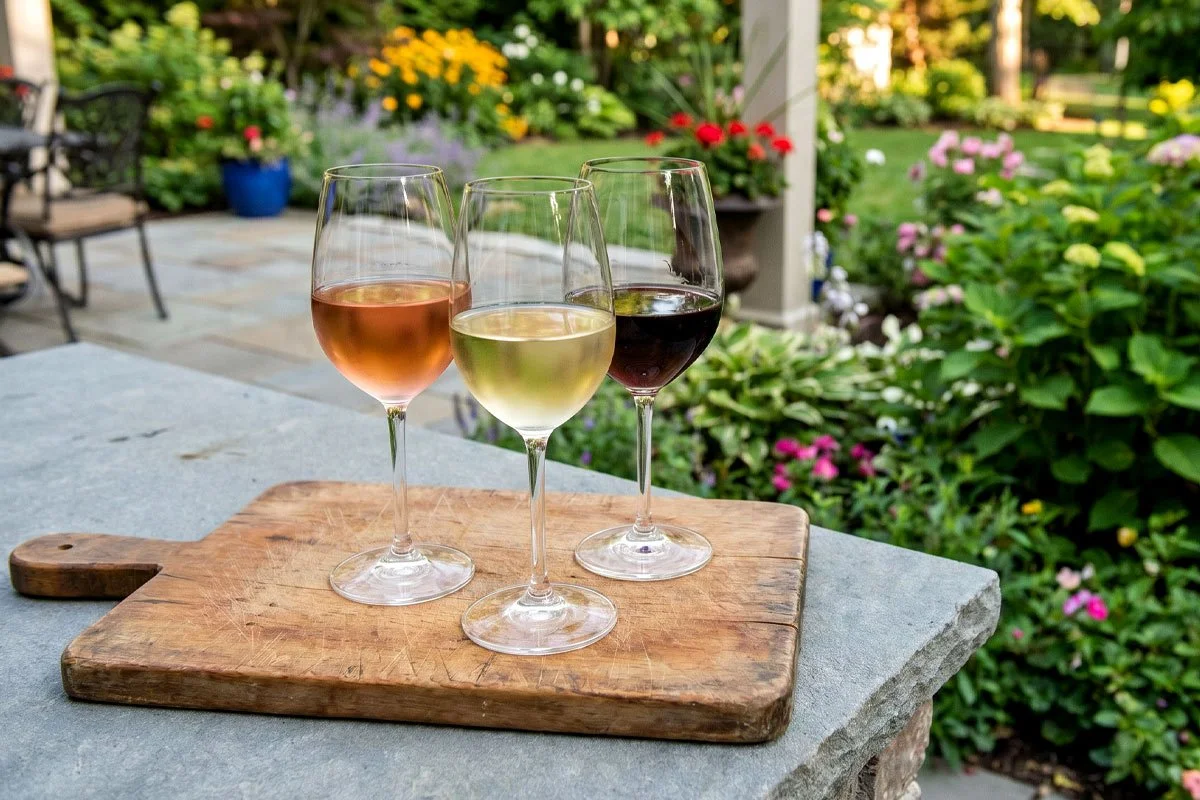
A Quick Wood and Wine Reference
By Mike Belobradic | SmokeFireGrill.ca
Putting Wine and Wood into Practice
The next time you're having a backyard barbecue or planning a live-fire menu, try working backwards from the wood (or woodchips, if you’re running a smoker using hardwood lump charcoal).
Choose the wood that you want to use for your protein and the flavour profile you want, then let that choice (not just the protein itself) guide your wine selection.
A pork shoulder smoked over hickory and the same pork shoulder smoked over applewood are two very different dishes when it comes to wine pairing.
Wood as an ingredient is one of the core elements of the Northern Barbecue™ philosophy: every variable in live-fire cooking — fuel, wood, technique — is also a flavour decision, and every flavour decision has a wine consequence. Once you start tasting with this in mind, you'll never look at a bag of wood chips the same way again.
Fire and Wine: Frequently Asked Questions
What wine goes best with hickory smoked BBQ?
Hickory's bold smoke pairs best with fruit-forward, structured reds like Zinfandel or Syrah/Shiraz. Their dark fruit and spice notes echo the smoke without being overwhelmed by it. For hickory-smoked chicken or pork, an oaked Chardonnay with good body also works well.
What wine pairs with cherry wood smoked chicken or pork?
Cherry wood produces mild, fruity smoke that pairs naturally with red fruit-forward wines, like Pinot Noir or Gamay. A dry rosé is another strong choice. Avoid heavily tannic reds (cherry smoke is too gentle to stand up to them).
Does the type of wood I use for smoking affect my wine pairing?
Yes, significantly. Different wood species produce different aromatic compounds when they burn, which land on the food and change its flavour profile. A hickory-smoked pork shoulder and an applewood-smoked pork shoulder are (from a wine pairing perspective) two very different dishes, and they should be approached with different wines.
What is the best wine for mesquite smoked beef?
Mesquite is the most intense smoking wood, with a strong, earthy, resinous character. It needs your most structured, tannic reds to match it: a bold Cabernet Sauvignon, Cab Franc, Malbec, or Syrah. Light-bodied reds or whites will be overpowered entirely.
What wine pairs with maple smoked food?
Maple wood produces subtle, sweet smoke that’s ideal for pork, poultry, and seafood. It pairs naturally with off-dry Riesling (the sweetness echoes the smoke), a lighter Pinot Noir, or even a dry sparkling wine for smoked seafood or charcuterie.
What wine goes with oak smoked meat?
Oak smoke is moderate and balanced (the same wood family used to age many wines in barrels) making it the most wine-friendly option. Oak-smoked beef or lamb pairs well with Cabernet Sauvignon or Bordeaux-style blends, whose own oak-derived notes harmonize naturally with the smoke.
Do you have a wood-and-wine combination that's worked well for you? I'd love to hear about it — and if you're planning a Niagara-area event and want a Fire and Wine pairing consultation guest speaker, get in touch.
By Mike Belobradic creator of the Northern Barbecue™ Method and author of the SFG Wine series at SmokeFireGrill.ca. WSET Level 1 certified in wine and spirits, formally-trained chef and KCBS Barbecue Judge with a focus on how live-fire cooking technique — including fuel and wood species selection — affects wine pairing.