
The Live-Fire Pantry: Essential Wines for Cooking and Pairing
Build Up Your Pantry and Build Better Barbecue
One thing that any seasoned cook knows (live-fire or otherwise) is that flavour is built long before the meat touches the grill.
As a chef who is also WSET-accredited in wine, I have spent a fair share of my time exploring the relationship between wine and live-fire cooking. There are a lot of discussions that focus on pairing wine with finished dishes, but wine deserves a place as a cooking ingredient as well.
Wine can tenderize, brighten, balance, deglaze, braise and elevate almost every stage of the cook. It can also transform the meal once it reaches the table.
With that in mind, these are the wines that have earned permanent space in my live-fire pantry, along with how to use them to elevate your cook.
Essential Wines for Live-Fire Outdoor Cooking
1. Cabernet Franc
Why it Belongs
If I could only have one red wine for both cooking and pairing, Cabernet Franc would be my go to.
Its bright acidity, moderate tannins and savoury herbal notes make it really versatile. Unlike a heavily oaked Cabernet Sauvignon, Cabernet Franc rarely overwhelms barbecue.
What it Contributes
Red fruit
Herbs
Earthiness
Bright acidity
Moderate structure
Best With
Reverse-seared steaks
Tri-tip
Beef tenderloin
Charcoal grilled burgers
Lamb
Live-Fire Applications
Use Cab Franc in steak marinades, pan sauces, reductions and braising liquids.
It also happens to be one of my favourite wines to pour alongside grilled beef.
Fire Chef's Tip
Cabernet Franc has a natural affinity for herbs like thyme and rosemary. If those flavours are already in your rub or compound butter, this wine can create a natural bridge between the food and the glass.
2. Pinot Noir
Why it Belongs
Smoke can overpower some of the more delicate wines, but Pinot Noir is one that often rises to the occasion.
Pinor Noir tends to have a bright fruit and earthy character that complements wood smoke and charcoal. This makes it a valuable addition to your live-fire pantry.
What it Contributes
Cherry
Raspberry
Forest floor umami
Soft tannins
Best With
Cedar plank salmon
Duck
Pork tenderloin
Chicken
Mushrooms
Live-Fire Applications
Pinot Noir is particularly good for reductions, mushroom sauces and pork glazes.
Fire Chef's Tip
Pinot Noir is one of the few red wines that works equally well with smoked or plank salmon, as well as something like a pork loin or tenderloin.
3. Syrah (Shiraz)
Why it Belongs
If you like memory aids, the one for Syrah would be: big smoke calls for a big wine.
Syrah's peppery, dark fruit and smoky character make it a natural companion for robust or bolder barbecue, when you’re leaning into the smoke a little more.
What it Contributes
Blackberry
Black pepper
Smoke
Olive
Spice
Best With
Brisket
Beef ribs
Venison
Lamb
Live-Fire Applications
Ideal for braising liquids and rich reductions.
Fire Chef's Tip
If your barbecue is being built on oak or hickory smoke, Syrah often feels like an extension of the fire.
4. Riesling
Why it Belongs
Every live-fire pantry needs at least one versatile white wine.
A good dry Riesling gives the acidity you want without excessive oak, making it one of the most useful cooking wines in your live-fire cooking pantry.
What It Contributes
Citrus
Apple
Mineral notes
Bright freshness
Best With
Chicken
Turkey
Pork
Seafood
Live-Fire Applications
Riesling is excellent in brines, pan sauces and vegetable dishes.
Fire Chef's Tip
Dry Riesling is one of the best wines to pair with spicy barbecue, because its acidity refreshes the palate between bites.
5. Chardonnay (Unoaked or Lightly Oaked)
Why it Belongs
When it comes to a classic Chardonnay, forget the heavily buttery versions. A fresher Chardonnay from a cool wine climate is a very useful cooking wine.
What it Contributes
Apple
Pear
Citrus
Round texture
Best With
Chicken
Turkey
Shrimp
Lobster
Live-Fire Applications
Cream sauces, grilled seafood, risotto and poultry.
Fire Chef's Tip
Save the heavily oaked Chardonnay for sipping. Lighter styles are the ones to reach for at the grill because they usually create more balanced dishes.
6. Sauvignon Blanc
Why it Belongs
Sometimes barbecue needs brightness more than richness, which is why we have a pantry of options in the first place.
Sauvignon Blanc is a solid choice to deliver exactly that.
What it Contributes
Citrus
Herbs
Fresh acidity
Best With
Shrimp
White fish
Grilled vegetables
Asparagus
Live-Fire Applications
Marinades, vinaigrettes and finishing sauces.
Fire Chef's Tip
The herbaceous qualities of Sauvignon Blanc pair naturally with fresh basil, dill and parsley.
7. Sparkling Wine
Why it Belongs
Don’t forget about the bubbly. Sparkling wine is one of barbecue's hidden and most often forgotten gems.
The acidity commonly found in these wines works particularly well with rich smoked foods. You don’t always need a special occasion to pop a cork.
What it Contributes
Crisp acidity
Fresh citrus
Delicate yeast character
Best With
Fried appetizers
Chicken wings
Smoked turkey
Charcuterie
Live-Fire Applications
Mostly at the table, although it can also brighten light seafood sauces.
Fire Chef's Tip
Don’t save sparkling wine only for celebrations. It can be one of the most versatile wines to serve with barbecue.

8. Rosé
Why it Belongs
Think of rosé as the bridge between red and white. If you’re on the fence for some reason, this is one to consider.
What it Contributes
Strawberry
Citrus
Refreshing acidity
Best With
Chicken
Pork
Sausages
Grilled vegetables
Live-Fire Applications
Spritzes, light marinades and warm-weather entertaining.
Fire Chef's Tip
Rosé may be the most underrated patio wine for barbecue season, so don’t be afraid to give it a try at your next backyard barbecue.
9. Port
Why it Belongs
Every pantry needs one dessert and finishing wine.
Port delivers concentrated richness unlike anything else and it’s one of my personal favourites at both summer and fall barbecues.
What it Contributes
Dark berries
Chocolate
Dried fruit
Best With
Beef
Pork
Blue cheese
Grilled fruit
Live-Fire Applications
Reductions, glazes and dessert sauces.
Fire Chef's Tip
A spoonful of Port reduction brushed onto smoked pork ribs during the final minutes of cooking creates the kind of depth the can really elevate a dish.
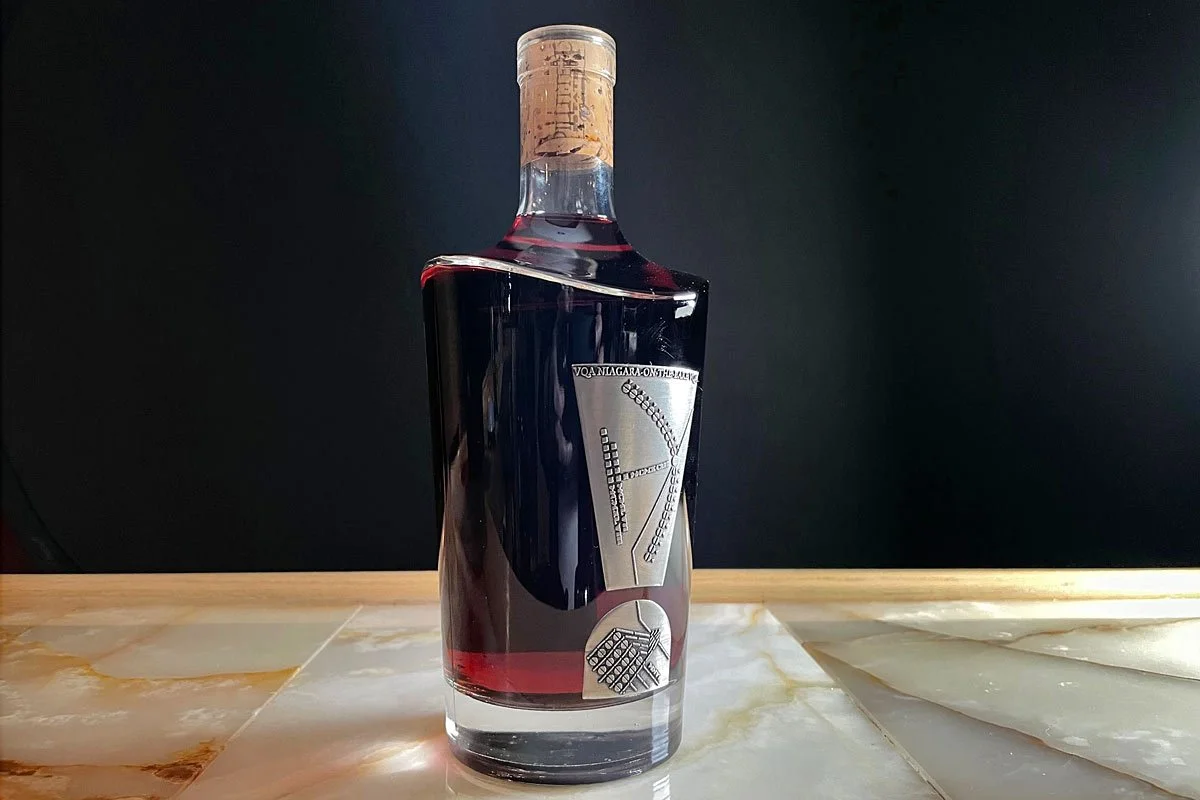
10. Icewine (or Other Sweet Dessert Wine)
Why it Belongs
A little goes a very long way.
What it Contributes
Honey
Apricot
Tropical fruit
Concentrated sweetness
Best With
Ham
Pork
Grilled peaches
Apples
Pears
Live-Fire Applications
Dessert sauces, fruit glazes and holiday barbecue.
Fire Chef's Tip
Rather than pouring Icewine into a sauce, reduce a small amount on its own and use it like a finishing syrup.
Is Wine Worth Splurging On?
The quality of the wine you use does matter, but quality doesn’t always mean it’s high priced.
For cooking, choose wines that you would also happily drink, but save your rare or highly collectible bottles for the table. Long cooking times can actually mute many of the subtle characteristics that justify premium prices, so bear that in mind.
For pairing, however, don't hesitate to open a special bottle when the occasion calls for it. Great barbecue deserves great wine.
Your Essential Live-Fire Wine Pantry
If you're just starting out and building your live-fire cooking wine collection from scratch, start with these bottle:
Cabernet Franc
Pinot Noir
Syrah
Dry Riesling
Chardonnay
Sauvignon Blanc
Sparkling Wine
Rosé
Port
Icewine
With these 10 wines, you'll have a solid set of core tools to marinate, braise, deglaze, glaze, pair and celebrate almost every live-fire meal you can imagine.
Like every ingredient in the Live-Fire Pantry, these bottles have earned their place. Using them thoughtfully can help to make you a more versatile outdoor cook.
By Mike Belobradic, founder of the Northern Barbecue™ Method and creator of the SFG Wine series.