
The Live-Fire Pantry: The Right Cooking Woods to Keep in Your Woodpile
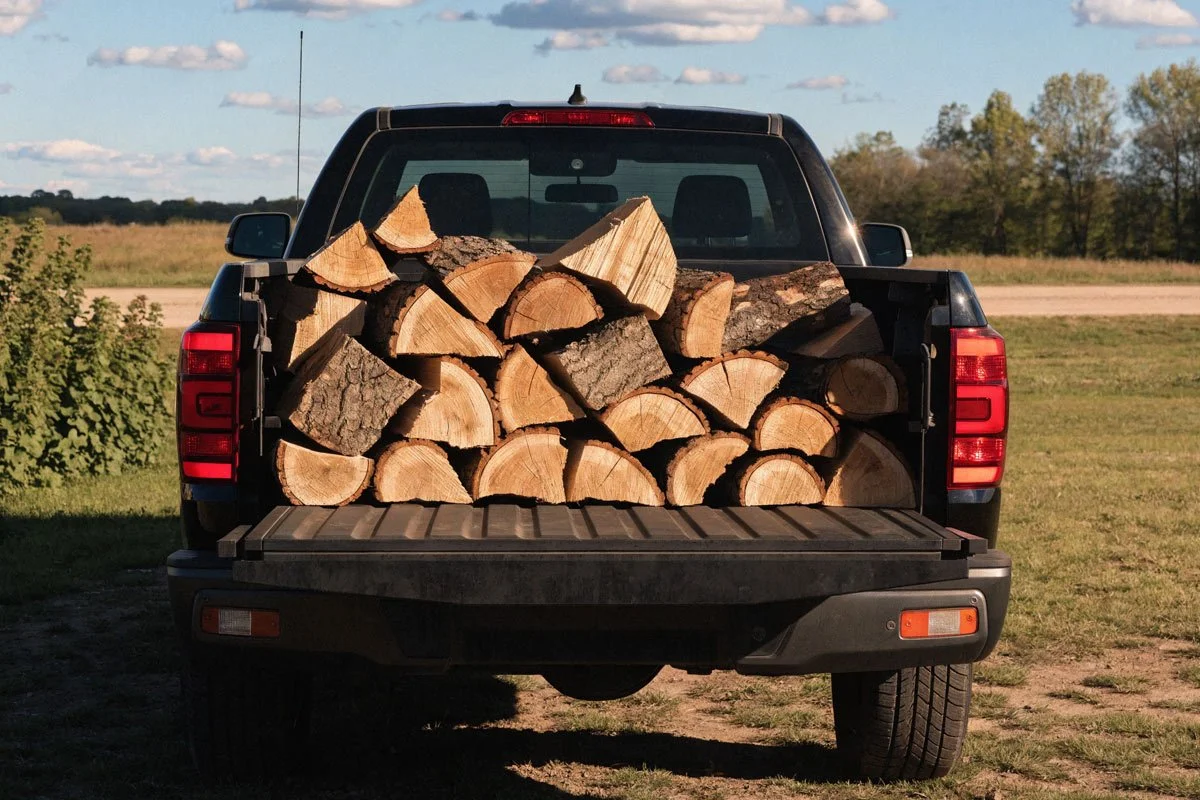
Smoke is an Ingredient, So Treat it Like One with Your Wood Selection
When it comes to barbecue talk about wood, it’s usually about “What are the best woods for smoking?" I’ve answered that very question in other posts — and it’s a valid and important question to consider.
But once you’ve moved beyond an understanding of which woods are best, the discussion moves to the next level: "What flavour do I want my smoke to contribute?"
Smoke is more than heat and smell. In fact it’s one of the most important ingredients in live-fire cooking and it’s the thing that differentiates live fire cooking (and hardwood lump charcoal cooking) from gas, pellets and electric grills and smokers.
Just as you wouldn’t season every dish with the exact same spice blend all the time, you shouldn’t approach every cook with the same wood. Oak, maple, apple and hickory each bring different flavours to the fire. Learning when—and how—to use them is one of the biggest steps you can take to become a more confident live-fire cook.
In this post the discussion isn’t about the "best" smoking wood, it’s about understanding what each type of wood contributes to your dish.
Before You Choose a Wood
Let’s start with a few basic principles that apply generally.
Always use clean, seasoned hardwood (and store it properly to keep it that way).
Avoid softwoods such as pine, spruce or cedar (with the exception of untreated cedar planks used as a cooking surface/plank and not a fuel source). These resinous woods smell great, but they give off unpleasant flavours and aren’t good for cooking.
Wood should be properly seasoned: not green, mouldy or rotten. Whether you're using chunks, splits or logs, clean combustion matters more than the size of the wood.
Finally, remember that smoke should support your food (like any other ingredient), not dominate it. The best barbecue tastes like beautifully cooked meat enhanced by clean smoke—not like an ashtray or lump of coal.
Fire Science
Thin, almost invisible blue smoke is generally a sign of clean combustion. Thick white or grey smoke contains unburned compounds that can leave your food tasting bitter or acrid. This smoke is fine when the fire’s starting, but should go away by the time the fire’s ready for cooking. Good smoke starts with good fire management.
Oak
Why it Belongs
If every outdoor cook could keep only one smoking wood, oak would be my choice.
Balanced, dependable and very versatile, oak complements almost every protein without overwhelming it. It’s the benchmark against which all smoking woods are measured.
Flavour Profile
Medium smoke with earthy, savoury and lightly toasted notes.
Best With
Beef, pork, lamb, poultry and game.
Fire Chef's Tip
Oak is an excellent wood for learning smoke management because it’s forgiving across a wide range of cooks.
Maple
Why it Belongs
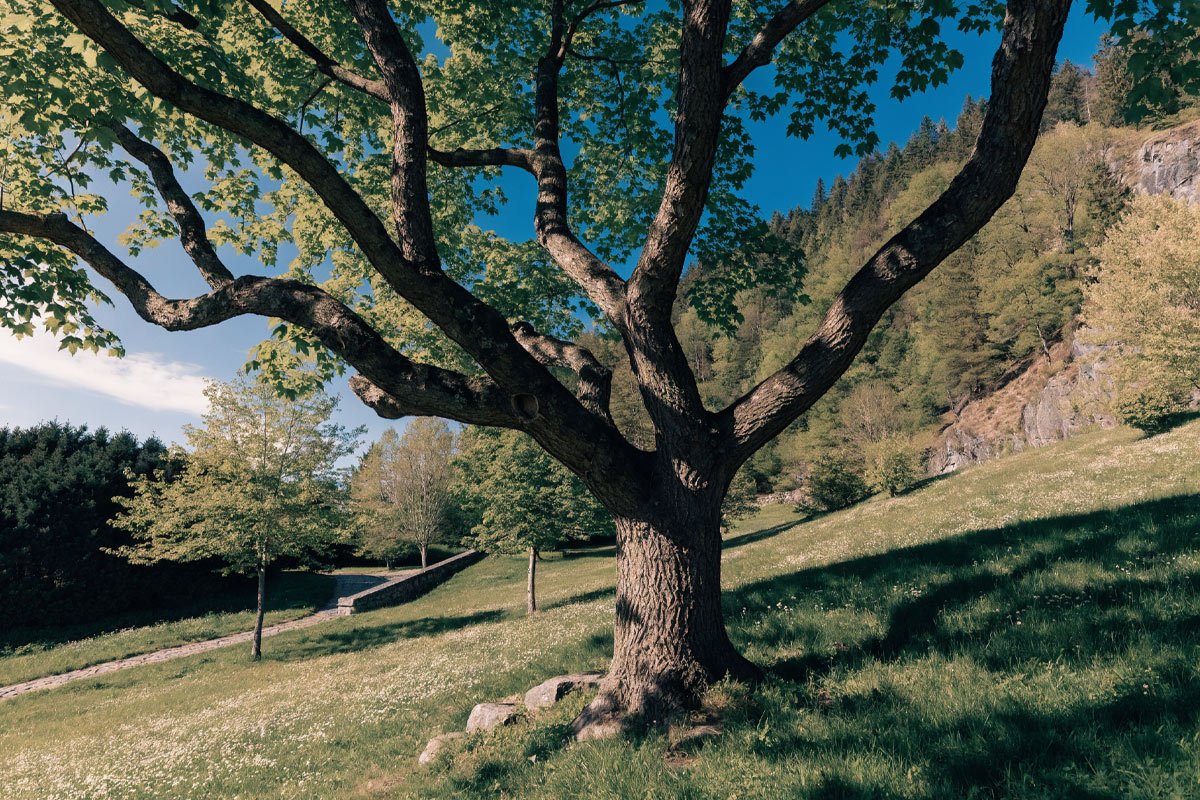
Maple brings gentle sweetness without becoming sickly sweet.
It’s particularly well suited to any outdoor cooking, where it naturally complements things like maple syrup, pork and poultry.
Flavour Profile
Light, sweet and mellow.
Best With
Chicken, turkey, pork, vegetables and cheese.
Fire Chef's Tip
Maple pairs beautifully with herb-forward cooks featuring thyme, sage and rosemary.
Hickory
Why it Belongs
Rich, assertive and unmistakably barbecue.
Hickory has defined generations of traditional North American barbecue. It’s very popular for a reason, but restraint is important.
Flavour Profile
Bold smoke with bacon-like richness.
Best With
Pork shoulders, ribs, brisket and sausages.
Fire Chef's Tip
If you're new to hickory, start with less than you think you need. You can always add more smoke, but you can't take it away.
Pecan
Why it Belongs
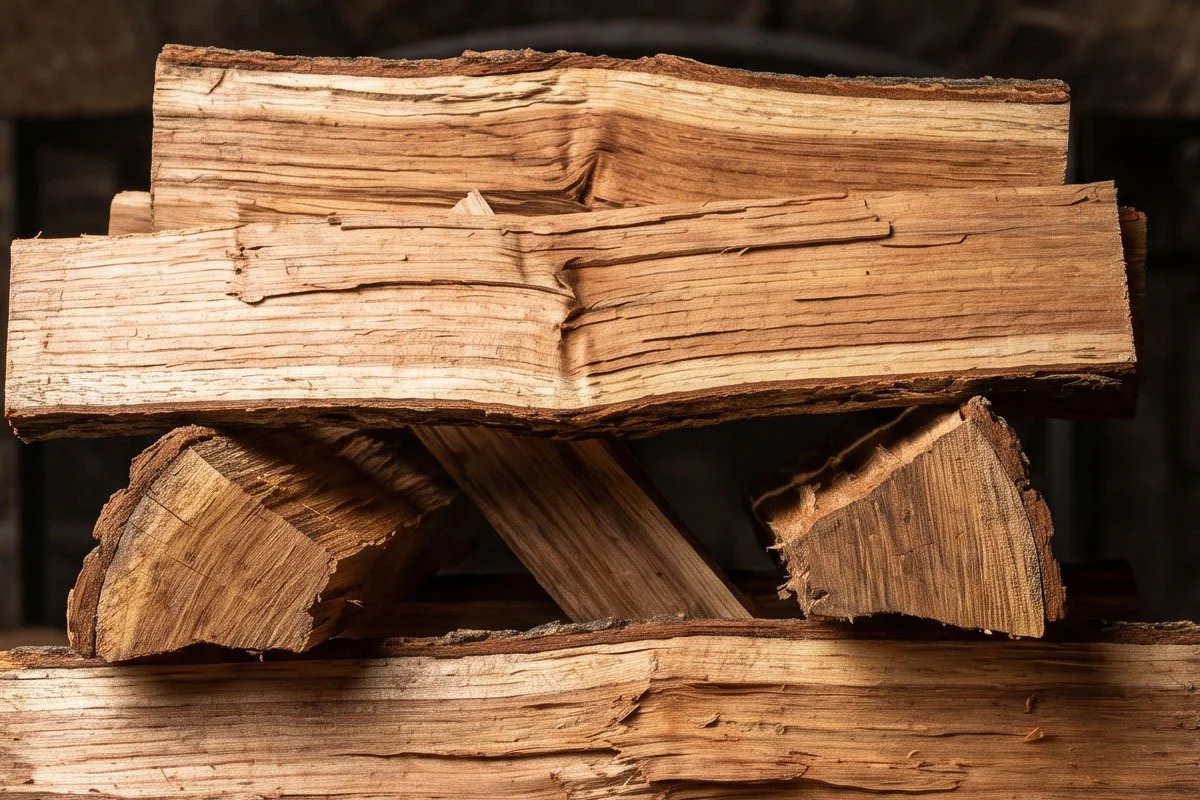
Often described as hickory's gentler cousin, pecan offers complexity without the same intensity.
Flavour Profile
Nutty, warm and lightly sweet.
Best With
Poultry, pork, turkey and desserts.
Fire Chef's Tip
Pecan is one of the most versatile woods for cooks who enjoy subtle smoke.
Apple
Why it Belongs
Apple remains one of the great all-purpose fruit woods.
It contributes sweetness while allowing the natural flavour of the food to be the star.
Flavour Profile
Light, fruity and delicate.
Best With
Chicken, pork, seafood and vegetables.
Fire Chef's Tip
Apple wood is forgiving for cooks who are just beginning to explore smoking.
Cherry
Why it Belongs
Cherry is as visually appealing as it is flavourful.
It helps produce a rich mahogany colour on poultry and pork, while adding gentle fruit notes.
Flavour Profile
Sweet fruit with mild smoke.
Best With
Chicken, duck, turkey, pork and ham.
Fire Chef's Tip
Cherry and oak make one of the finest wood combinations in barbecue.
Alder
Why it Belongs
If seafood is regularly on your menu, alder deserves a permanent place in your woodpile.
Flavour Profile
Delicate, slightly sweet and exceptionally clean.
Best With
Salmon, trout, shellfish and vegetables.
Fire Chef's Tip
Alder allows your more delicate proteins to shine without burying them beneath heavy smoke.
Mesquite
Why it Belongs
Mesquite has developed a reputation for being overpowering — which is true.
However, another way to look at it is that mesquite is simply one of the boldest smoking woods available.
Used thoughtfully, it produces extraordinary results. Used carelessly and you could end up ruining your entire meal.
Flavour Profile
Earthy, intense and unmistakably smoky.
Best With
Steaks, beef, lamb and short cooks.
Fire Chef's Tip
Mesquite is at its best during shorter, hotter cooks, and not for long overnight smokes.
Blending Woods
Just as you wouldn’t use only one spice in a seasoning rub, professional cooks don’t always rely on a single wood smoke flavour.
As you skills and wood awareness grow, blending hardwoods allows you to create a more balanced smoke profiles, while adapting to different proteins and cooking styles.
Consider these sample combinations:
Oak + Cherry for brisket and beef ribs
Maple + Apple for chicken and turkey
Oak + Pecan for pork shoulder
Cherry + Maple for ham
Hickory + Oak for traditional barbecue
Alder + Maple for salmon
Think of wood blending the same way you think about combining herbs or spices. Each wood contributes something different, and together they often create more balanced results than any single species alone.
Fire Science
Different hardwoods contain different proportions of lignin, cellulose and naturally occurring compounds that influence the aromas released during combustion. That is why smoke from apple tastes noticeably different from smoke produced by oak or mesquite—even when all three are burning cleanly.
Flavour Bridges
One of the most rewarding ways to think about live-fire cooking is to connect ingredients that naturally complement one another.
Here are a few combinations to explore:
Flavour Bridge: Beef & Oak
Protein: Beef
Smoking Wood: Oak
Herbs & Seasoning: Rosemary, Black Pepper
Wine Pairing: Cabernet Franc
Spirit Pairing: Rye Whisky
Why It Works: Oak delivers balanced smoke that complements beef without overpowering it. Rosemary echoes the wood's savoury character, while Cabernet Franc and rye whisky reinforce the peppery, earthy flavours developed during cooking.
Flavour Bridge: Pork & Maple
Protein: Pork
Smoking Wood: Maple
Herbs & Seasoning: Sage, Thyme
Wine Pairing: Dry Riesling
Spirit Pairing: Apple Brandy
Why It Works: Maple's gentle sweetness enhances pork naturally, while sage and thyme add earthy aromatics. Riesling's bright acidity and apple brandy's orchard fruit create a balanced finish.
Flavour Bridge: Chicken & Apple
Protein: Chicken
Smoking Wood: Apple
Herbs & Seasoning: Thyme, Garlic
Wine Pairing: Pinot Noir
Spirit Pairing: Aged Rum
Why It Works: Apple wood adds delicate sweetness without masking the chicken. Thyme and garlic build savoury depth, while Pinot Noir and aged rum reinforce the subtle fruit notes.
Think of these as starting points rather than rules. Great cooks learn to recognize flavour relationships and then make them their own.
Your Essential Live-Fire Woodpile
If you're just beginning to build your wood collection, start with five versatile hardwoods:
Oak
Maple
Hickory
Apple
Cherry
As a group, these hardwoods will allow you to cook confidently across almost every style of live-fire cooking.
As your skills grow, expand into pecan, alder, mesquite and regional hardwoods that reflect your own cooking style. If you’re using a smoker, you can also use wood chips or chunks to create your blends.
And remember that the best outdoor cooks don't simply add another log to the fire, they season with smoke.
By Mike Belobradic, founder of the Northern Barbecue™ Method of live-fire cooking.