
The Live-Fire Pantry: 10 Spirits Worth Keeping Beside Your Grill
Stock Your Spirits Cabinet with Purpose
Like wine, spirits deserve a place in your live-fire cooking repertoire. Whether you're building a glaze, deglazing a cast iron skillet, creating a marinade, enriching a braising liquid or finishing a sauce, the right spirit can add another layer of flavour that only elevates a dish.
But you don’t need to go out and buy dozens of bottles. This post is all about taking a thoughtful approach to spirits and live-fire cooking.
As a formally-trained chef who is also WSET-certified in spirits, I take the approach that choosing a spirit for cooking should follow the same principles as choosing a spice or herb. Every bottle should contribute a unique flavour profile and earn its place in your dish and your live-fire pantry.
These ten spirits will do exactly that.
The 10 Spirits You Should Have for Live-Fire Barbecue
1. Bourbon
Why It Belongs
This one is no shocker. No spirit is more closely associated with barbecue than bourbon, and for good reason.
New charred oak barrels create flavours in bourbon of vanilla, caramel, toasted oak and baking spice that naturally complement smoke and the caramelization created by grilling.
What it Contributes
Vanilla, caramel, oak, brown sugar and gentle spice.
Best With
Pork ribs, pork shoulder, chicken wings, burnt ends and baked beans.
Live-Fire Applications
Barbecue sauces, glazes, reductions and baked beans.
Fire Chef's Tip
A splash of bourbon in a glaze can deliver more flavour than adding twice as much brown sugar.
2. Rye Whisky
Why it Belongs
Where bourbon leans sweet, rye leans spicy.
A good Canadian rye whisky will cut through rich beef really well.
What it Contributes
Black pepper, clove, dried herbs and warm baking spice.
Best With
Brisket, steaks, burgers, venison and beef ribs.
Live-Fire Applications
Steak sauces, brisket glazes and cast iron pan sauces.
Fire Chef's Tip
Peppery rye and coarse black pepper reinforce each other without becoming harsh.
Visit the shop for barbecue t-shirts, hoodies and sweatshirts.
3. Canadian Whisky
Why it Belongs
Canadian whisky is often lighter and more approachable than a lot of people think, making it one of the most versatile cooking spirits available. If you haven’t tried it, you should.
The balanced profile of Canadian whisky works across beef, pork and poultry without dominating the dish.
What it Contributes
Caramel, cereal grain, soft spice and gentle oak.
Best With
Chicken, pork chops, sausages, burgers and smoked turkey.
Live-Fire Applications
Pan sauces, barbecue sauces and finishing glazes.
Fire Chef's Tip
Many excellent Canadian whiskies are produced with what is actually a cooking-friendly balance, rather than being overwhelmingly oak. This makes them ideal for outdoor kitchens.
4. Dark or Aged Rum
Why it Belongs
Smoke and molasses have always been natural partners. Dark rum feeds off of this by contributing richness while supporting sweet-and-savory barbecue flavours.
What it Contributes
Molasses, toffee, dried fruit and warm spice.
Best With
Pork, jerk chicken, grilled pineapple, ham and sausages.
Live-Fire Applications
Marinades, tropical glazes, barbecue sauces and grilled desserts.
Fire Chef's Tip
Rum is often a better choice than bourbon if there’s any tropical fruit in your recipe.
5. Apple Brandy
Why it Belongs
The combo of smoke and orchard fruit is well know and, frankly, unbeatable. Add a little apple brandy to the mix and you’ll be cooking on another level.
What it Contributes
Fresh apple, baked fruit, gentle spice and subtle sweetness.
Best With
Pork loin, pork chops, smoked turkey, duck and grilled apples.
Live-Fire Applications
Pan sauces, reductions, fruit glazes and holiday barbecue.
Fire Chef's Tip
Apple brandy makes one of the finest pan sauces you'll ever pour over grilled pork chops.
6. Grape Brandy
Why it Belongs
Whether you go with a traditional brandy or a Cognac-style spirit, grape brandy adds elegance without layering in any unnecessary complexity.
What it Contributes
Dried fruit, vanilla, oak and gentle floral notes.
Best With
Steaks, mushrooms, duck, beef tenderloin and wild game.
Live-Fire Applications
Steak sauces, mushroom sauces and rich braising liquids.
Fire Chef's Tip
If mushrooms are on the menu, reach for brandy before whisky.
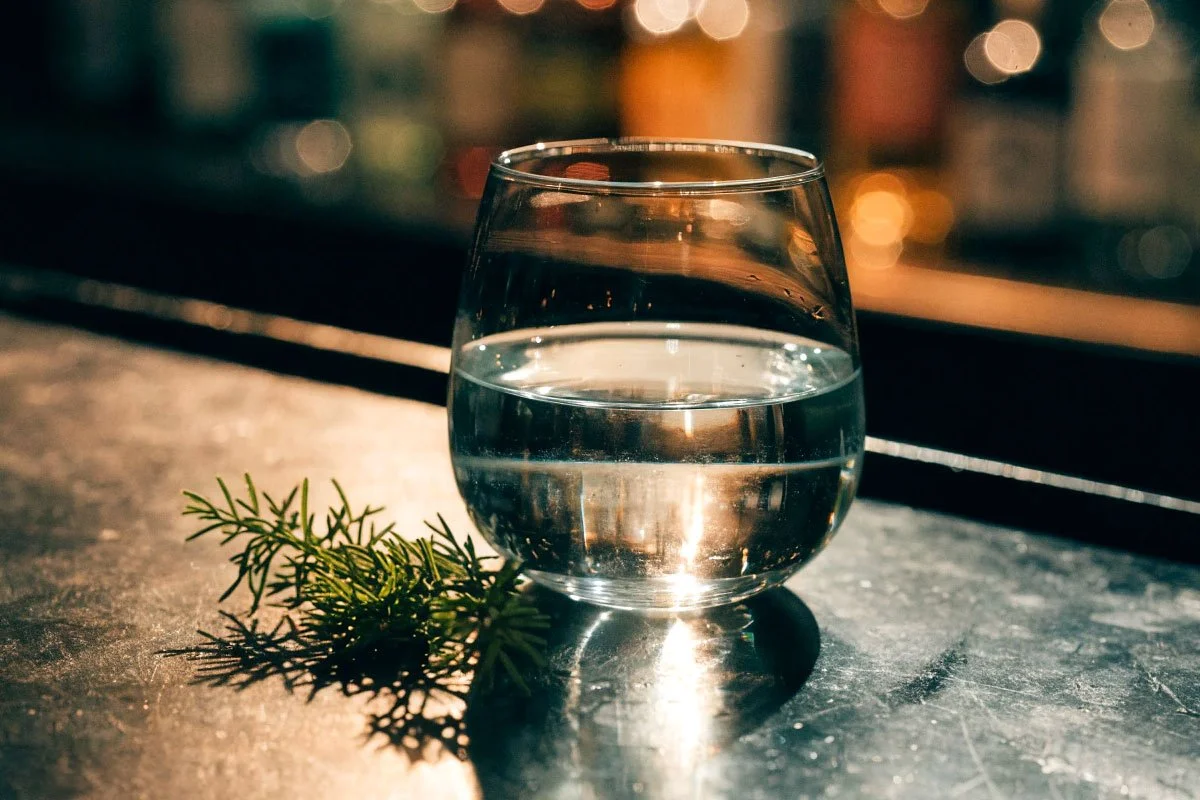
7. London Dry Gin
Why it Belongs
One thing I’m known to say a lot is that gin may be the most overlooked cooking spirit.
When you think about its botanicals — juniper, coriander, citrus peel and angelica root — those are flavours that already appear in many rubs and herb blends. So gin becomes such a perfect addition to many recipes.
What it Contributes
Juniper, citrus, herbs and bright botanical freshness.
Best With
Salmon, trout, shrimp, asparagus, chicken and grilled vegetables.
Live-Fire Applications
Marinades, compound butters, herb sauces and vinaigrettes.
Fire Chef's Tip
Gin performs best in quick cooks and finishing applications where its aromatics remain vibrant and don’t have time to burn off.
8. Botanical Craft Gin
Why it Belongs
The rise of craft distilling has opened entirely new possibilities for outdoor cooks and botanical craft gins have become one of the highlights.
Many small distilleries produce gins featuring botanicals such as spruce tips, lavender, rosemary, citrus blossoms or local wildflowers. Those flavours can become legitimate ingredients in their own right, so don’t shy away from experimenting.
What it Contributes
Depending on the recipe, citrus, evergreen, floral, herbal or savoury notes.
Best With
Seafood, poultry, vegetables and fresh summer grilling.
Live-Fire Applications
Finishing sauces, herb butter, marinades and grilled fruit.
Fire Chef's Tip
Treat botanical gin as another seasoning, not simply another spirit. As with any gin, don’t let it cook too long or your risk negating its beneficial qualities altogether.
9. Blanco Tequila
Why it Belongs
The clean flavour of agave brings a trademark brightness to outdoor cooking.
Unlike heavily aged versions, blanco tequila allows fresh citrus, herbs and peppers to remain the stars. This is one spirit where I would err on the side of ensuring you choose a quality product.
What it Contributes
Fresh agave, citrus and light pepper.
Best With
Shrimp, fish tacos, grilled chicken, pork tenderloin and vegetables.
Live-Fire Applications
Marinades, vinaigrettes and citrus glazes.
Fire Chef's Tip
Blanco tequila loves lime just as much as your barbecue does, so consider adding some to the recipe if it makes sense and it’s not already there.
10. Mezcal
Why it Belongs
Mezcal introduces smoke from an entirely different perspective (and no, mezcal is not the same thing as tequila).
Rather than replacing wood smoke, it layers earthy complexity on top of it.
What it Contributes
Earth, mineral notes, roasted agave and gentle smoke.
Best With
Lamb, mushrooms, beef, peppers and roasted vegetables.
Live-Fire Applications
Finishing sauces, marinades and vegetable glazes.
Fire Chef's Tip
Use restraint. A teaspoon can often accomplish what a quarter cup cannot.
Do You Need Expensive Spirits?
As with wine, you should choose spirits you would happily enjoy in a glass as well, but you can save your prized and highly collectible bottles for sipping.
Most of the subtle characteristics that justify premium pricing become far less noticeable after reduction, braising or long cooking.
Instead, invest in versatility. A well-chosen collection of mid-range spirits will serve your outdoor kitchen far better than one luxury bottle reserved for special occasions.
Your Essential Live-Fire Spirits Cabinet
If you're building your cabinet from scratch, begin with these 10 categories:
Bourbon
High-Rye Whisky
Canadian Whisky
Dark or Aged Rum
Apple Brandy
Grape Brandy
London Dry Gin
Botanical Craft Gin
Blanco Tequila
Mezcal
Together, this group will set you up with a wide range of flavours—from sweet vanilla and caramel to orchard fruit, fresh botanicals, peppery spice and earthy smoke.
By Mike Belobradic, WSET accredited in spirits and founder of the Northern Barbecue™ Method of live-fire cooking.