
What Decades of Cooking with Fire has Taught Me About Better Barbecue
What I’ve learned about charcoal, fire control, and why understanding the flame matters more than any recipe
Over the years I’ve noticed something that has proven to be pretty consistent. There’s a big segment of outdoor cooks who believe that good barbecue is all about finding the best recipe, or the ultimate rub, or the newest flashy gear out there. But after more than 35 years of live-fire cooking (both as a classically trained chef and working extensively with charcoal and live fire) it is my opinion that those things are not what separates average barbecue cooks from really good barbecue cooks.
The most memorable barbecue usually comes from cooks who really understand the fire they use at the grill (or smoker, or brick oven). At least that’s definitely where it starts.
Not just lighting a fire or charcoal, but really understanding how the heat source behaves. How it moves. How it affects food. And how small changes in fuel or airflow can completely change the outcome.
In my experience, this is the part most people miss when they’re looking for ways to get better at barbecue.
Where it All Started for Me
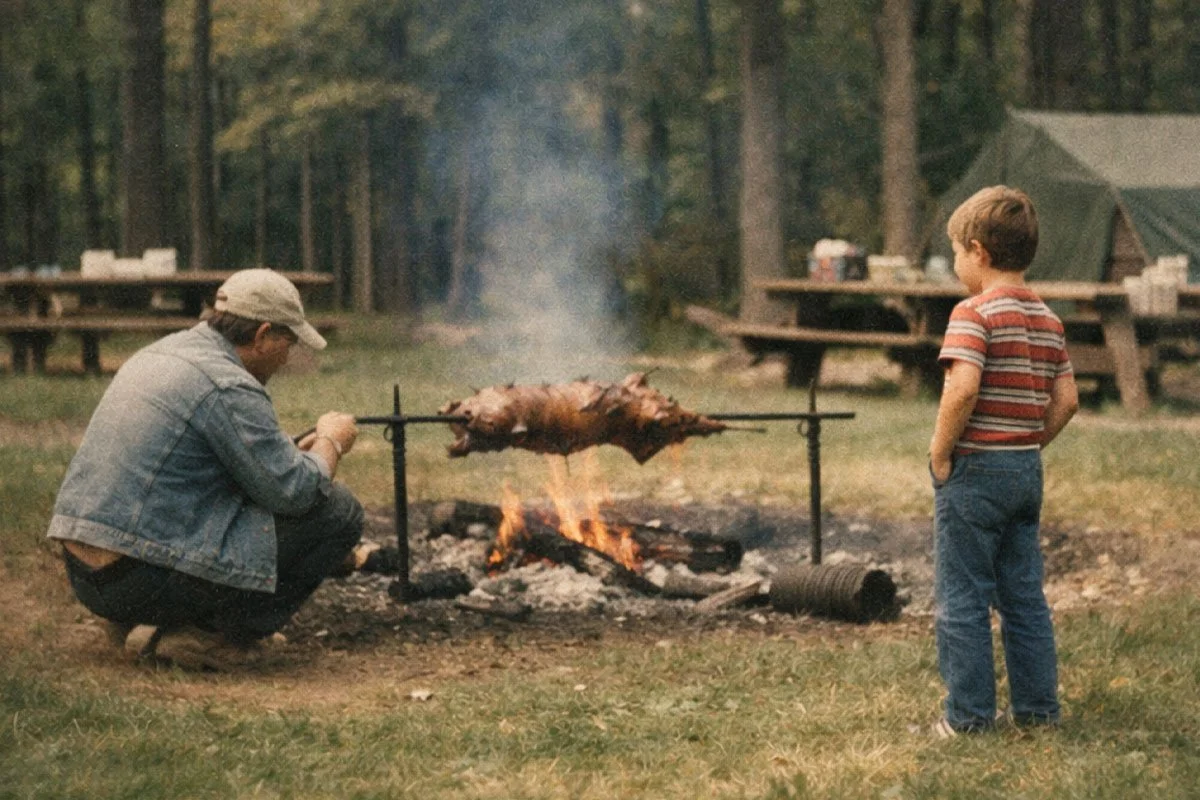
My background isn’t in professional cooking. Sure, my very first job as a teen was pizza maker in a restaurant, but I came across live-fire barbecue mainly at large family gatherings when I was younger — where firepits were dug and rotisserie spits were hand-made from forest wood. Many years later at culinary school, I trained as a chef, where technique, discipline, and an understanding of heat were fundamental.
But like most chefs, I wasn’t taught how to cook with live fire in its purest form (culinary school is based on a French cooking curriculum).
Live-fire skills development came later—earned through years of cooking outdoors, working with charcoal and wood, and learning through experience what works, what doesn’t work, and most important of all: the why behind everything.
Over time, that process became less about recipes and more about live-fire understanding and control.
The Shift: From Barbecue Recipes to Fire
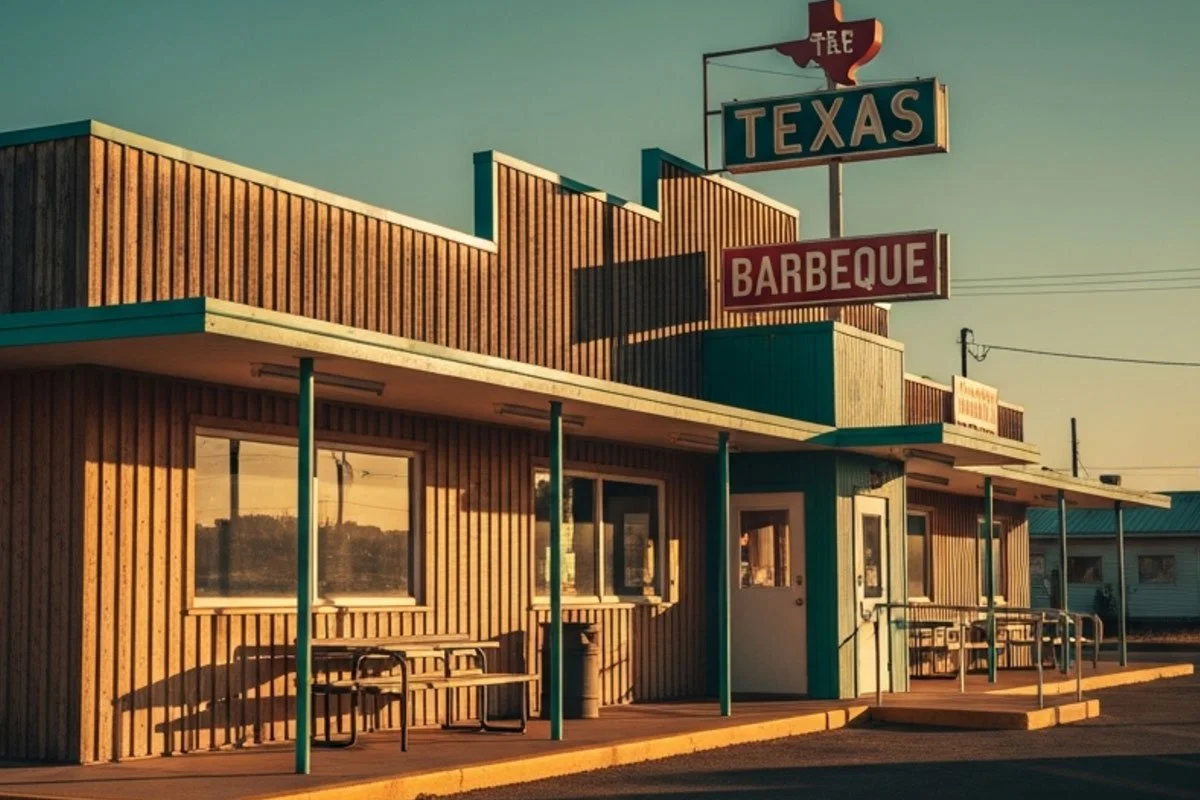
At some point, something changed in how I approached barbecue. This was just before my time at culinary school, when I spent a lot of time in Texas and North Carolina honing my skills with Southern Barbecue chefs.
Instead of asking myself: “When will this be done?”
I started asking myself: “What is the fire doing?”
That shift in perspective and technical thinking is where everything started to really take off.
I’m now pretty big on sharing my view that once you understand fire, your whole approach to backyard barbecue will elevate. You’ll start to find a few benefits that really set you free to expand your creative live-fire and charcoal cooking skills:
temperature becomes predictable
results become consistent
cooking becomes intentional
What does this actually look like on the grill?
To bring this from theoretical to the real-world, consider, for example, the following points of discovery that usually happen. You will know that:
If your fire is too hot, it’s usually airflow—not the charcoal or wood itself
If your food lacks flavour, it can be poor fuel choice or dirty smoke—not necessarily your rub or seasoning
If your results are inconsistent, is your fire setup changing every time you light up your cooker?
Expanding your skills helps you to identify challenges and get consistent with solutions.
A Global Live-Fire Cooking Craft, Not Just a Single Style
Having lived in and visited many places globally, I’ve been exposed to live-fire cooking from around the world. Cooking with fire isn’t limited to one tradition. Across cultures, you see it everywhere:
wood-fired grilling
charcoal-based barbecue
open-fire cooking techniques
Different methods, but the same core fundamentals.
Fire. Fuel. Control.
That broader global perspective shaped how I think about barbecue today.
The Northern Barbecue™ Method
Over time, I began to formalize this approach into what I now call the Northern Barbecue™ Method.
It’s not tied to one region or style: in fact, it is exactly the opposite.
It reflects a Canadian world-view perspective and a global way of cooking—understanding what works from different traditions and focusing on the fundamentals that actually matter.
At its core, my Northern Barbecue™ courses come down to a few core underlying principles:
fire control
fuel selection
heat management
This is not some abstract barbecue theory, but practical, repeatable skills.
If you’ve ever struggled with keeping a constant locked-in temperature on your smoker, it might be because you’re not 100% sure how your vents work together to regulate stable temps for your rig. It’s not uncommon not to know this when you’re just starting out, and it’s where a little basic understanding (in context) can set you free to move beyond frustration and into a skills development frame of mind.
What I Find that Most People Get Wrong with Backyard Charcoal Grilling
After years of cooking, teaching, and judging barbecue—including as a certified judge with the Kansas City Barbeque Society (KCBS)—I see the same issues over and over again:
cooks focused on hitting a temperature instead of controlling the fire
relying on equipment to do the work instead of understanding technique
focusing on recipes instead of live-fire cooking fundamentals
These are not small mistakes. They are the reason that results for a lot of backyard cooks are inconsistent and often frustrating.
A Better Way to Approach Barbecue
To boil down everything into three main points, I would say it is the followng:
Fire is an ingredient, not just heat
Airflow matters just as much as your choice of fuel (lump charcoal or hardwood)
Consistency comes from control and understanding, not guesswork or reacting
Once you understand those ideas, everything else becomes so much easier—and more enjoyable (which is what it’s really all about).

Ribfests in Oakville, Burlington and Beyond are Perfect Examples
In places near my home in Oakville, or nearby Burlington, and really anywhere in the world, barbecue is often celebrated at events like the Oakville Ribfest or the Burlington Ribfest – or any similar live-fire cooking festival where people gather and where the focus is on the end result. (If you’re interested, here is my three-hour smoked-ribs recipe.)
But behind all of that is a deeper craft that really powers it all.
Because the difference between good barbecue and great barbecue isn’t the sauce or the rub, it’s the barbecue chefs who know how to respect the fire, and who work with the fire to deliver the results they want to achieve. Without that, your favourite sauce or rub will never get a chance to shine.
Cooking with fire is all about understanding how fire works—and learning how to work with it.
That is where better barbecue begins.
Learn more about Mike Belobradic and Smoke Fire Grill™.
Read my backstory that led to the creation of the Northern Barbecue™ Method.
By Mike Belobradic
Founder of the Northern Barbecue™ Method of barbecue courses.