
What is Live-Fire Cooking?
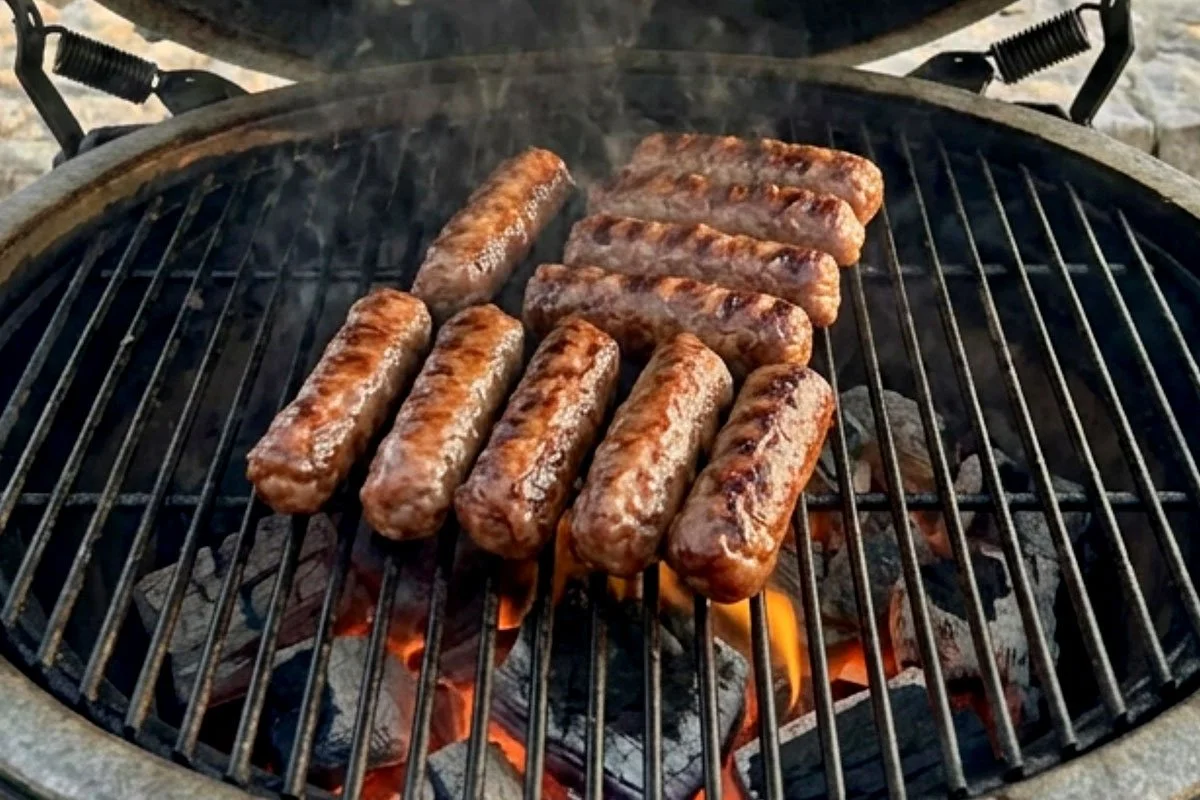
A Complete Guide from Chef Mike Belobradic
Live-fire cooking, as the name suggests, is cooking food using a real, active fire (wood, charcoal, or embers), and not gas or electricity (including pellets) as the primary heat source.
Fire is one of the oldest cooking methods in human history, so it shouldn’t be surprising that it’s still one of the most sought-after ways to cook food for its unmatched flavour, versatility, and connection to the art of cooking.
“There are no short cuts, this is cooking in its purest form” ~ Mike Belobradic
At its most basic level, live-fire cooking is all about managing flame, heat, smoke, and time. It is both primitive and precise at the same time. And when done right, it produces results that no indoor appliance or outdoor alternative-fuel cooker can match.
As a chef working only with fire at SmokeFireGrill.ca, I can tell you this: live-fire cooking isn’t just a technique—it’s a mindset.
What Defines Live-Fire Cooking?
Not all grilling is live-fire cooking. And not all live-fire cooking is grilling.
If you turn a knob and ignite burners, you’re probably using a gas grill. Gas grills are fast and convenient, but they don’t have the one defining element of live-fire cooking: a real fuel source that combusts and contributes flavour. While electric pellet grills do have a form of combustion, it isn’t the same as the deep smoke (and more) that you get from a real wood fire or lump charcoal combustion in terms of intensity, efficiency, and flavour profile (not to mention high-heat searing). This isn’t a debate: it’s a fact based on the science of combustion.
Live-fire cooking involves a few key things:
Burning natural fuels like hardwood or lump charcoal
Cooking over an open flame, hardwood coals, or embers
Managing heat zones manually
Leveraging natural wood smoke as an ingredient
This is what creates the signature depth of flavour that’s often associated with barbecue, wood-fired pizza, and open-fire cooking. Those campfire cookout core memories you have? It’s as much about the combustion and the ambiance of the live flame, as it is about the flavour. Live-fire is multi-sensory and truly an unmatched way to cook outdoors.
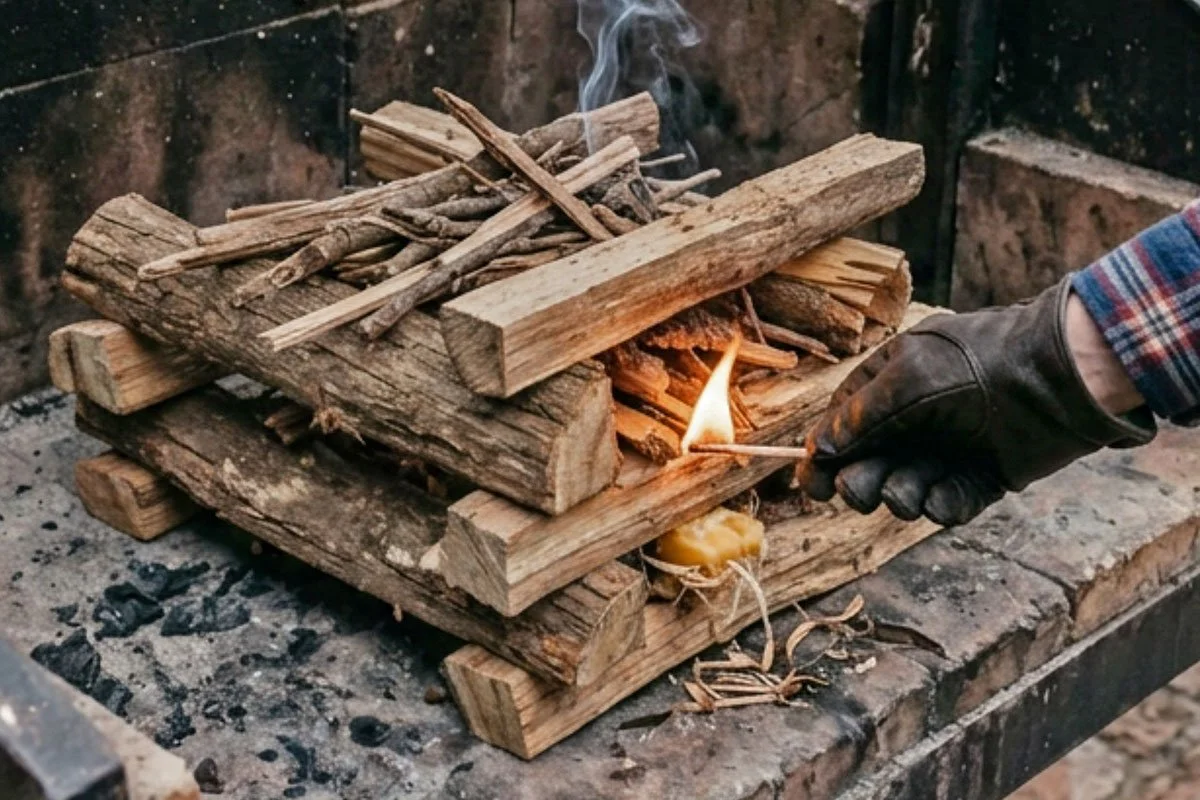
The Core Fuels of Live-Fire Cooking
Hardwood Lump Charcoal
Hardwood lump charcoal is one of the most popular fuels for live-fire cooking—and for good reason.
It is made by slowly burning hardwood in a low-oxygen environment, leaving behind nearly pure carbon. Unlike charcoal briquettes (which are manufactured), hardwood lump charcoal contains no fillers or additives.
Read more about hardwood lump charcoal versus charcoal briquettes.
Why hardwood lump charcoal makes a difference:
Lump charcoal burns hotter and cleaner than charcoal briquettes
It produces minimal ash
It adds a subtle, all-natural wood flavour
It responds much faster to airflow adjustments
For a lot of chefs, hardwood lump charcoal is the foundation of controlled live-fire cooking, especially in kettle grills and kamados.
Hardwood (Logs and Split hardwood)
Cooking directly with hardwood (such as oak, maple, hickory, or fruitwoods) is the most traditional form of live-fire cooking. It’s what a lot of people picture when you say live-fire cooking.
Using split hardwood is best for:
Open-fire cooking (including in a backyard fire pit)
Gaucho-style grilling
Brick ovens
Offset smokers
Each wood species contributes its own flavour profile, making wood selection as important as seasoning. There’s a reason why authentic Huli Huli Chicken requires kiawe wood, or pimento wood is needed for a true jerk dish. It’s all part of the magic and mindset of live-fire cooking, not to mention the element of skill, experience and technique that makes a big difference here.
Embers and Coals
In many live-fire cooking techniques, the flame is just the beginning. In some cases, lighting the fuel and seeing a flame is the warm-up period. The real cooking happens over the glowing embers that appear when the fire burns down.
Cooking over embers allows for:
Even, radiant heat
Intense searing capability
Much better control compared to an open flame (though the flame also has its place)
This is the essence of many traditional methods of live-fire cooking around the world (not to mention a pretty good time to break out the marshmallows and smores supplies).
Types of Live-Fire Cooking Methods
Now that we know the core fuels involved, let’s talk about the many different methods for how to use them.
Direct Flame Cooking
Direct flame cooking is pretty much what it sounds like: food is exposed directly to flame or placed close enough to be influenced by it.
Ideal for steaks, skewers, and vegetables
Creates char, blistering, and bold flavour
Requires careful attention to avoid burning
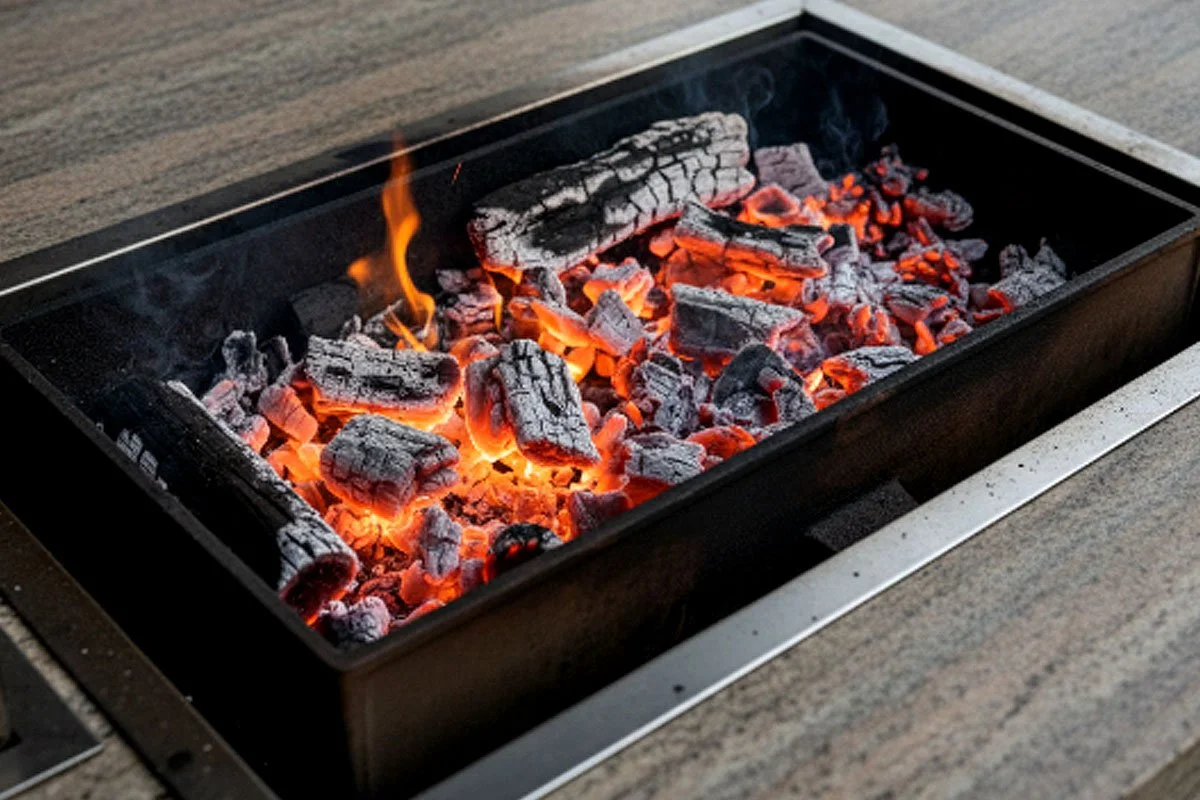
Cooking Over Coals
In this case, food is cooked over a bed of hot charcoal or embers. Its characteristics include being
More controlled than open flame
Excellent for grilling and roasting and
Producing consistent heat
Indirect Fire Cooking
For smokers and smoke-roasting techniques, indirect fire cooking is when heat circulates around the food rather than directly beneath it (usually shielded from the food, or offset in a different zone). This type of live-fire cooking is:
Perfect for larger cuts, like brisket or whole poultry
Mimics oven-like conditions
Commonly used in kettles, kamados, and sometimes in wood-fired ovens
Ash and Ember Cooking
This one is often overlooked in discussions about live-fire cooking, but some of the world’s most unique dishes are cooked using this method. Food is placed directly in (or under) embers.
Used for root vegetables, whole fish, or rustic preparations where food may be wrapped in a variety of covers (from foil to banana leaves)
Creates deeply earthy, unique flavours
Live-Fire Cookers and Equipment
If you want to try your hand at live-fire cooking, you really don’t need any unusual or expensive equipment to get started.
Charcoal Kettles
The classic kettle grill is one of the most versatile live-fire tools available.
Ideal for both direct and indirect cooking
Excellent airflow control
Accessible price-point into live-fire cooking
Kamado Cookers
Kamado-style cookers are ceramic grills designed for heat retention and efficiency.
Extremely fuel-efficient
Capable of high-heat searing and low-and-slow cooking
Ideal for precisely managing hardwood lump charcoal
Gaucho Grills
Inspired by South American asado traditions, gaucho grills feature adjustable grates over open flame, or over hot charcoal created by a wood fire that is part of the rig.
Height-adjustable cooking surface
Designed for wood fires and embers
Built for precision over live flame
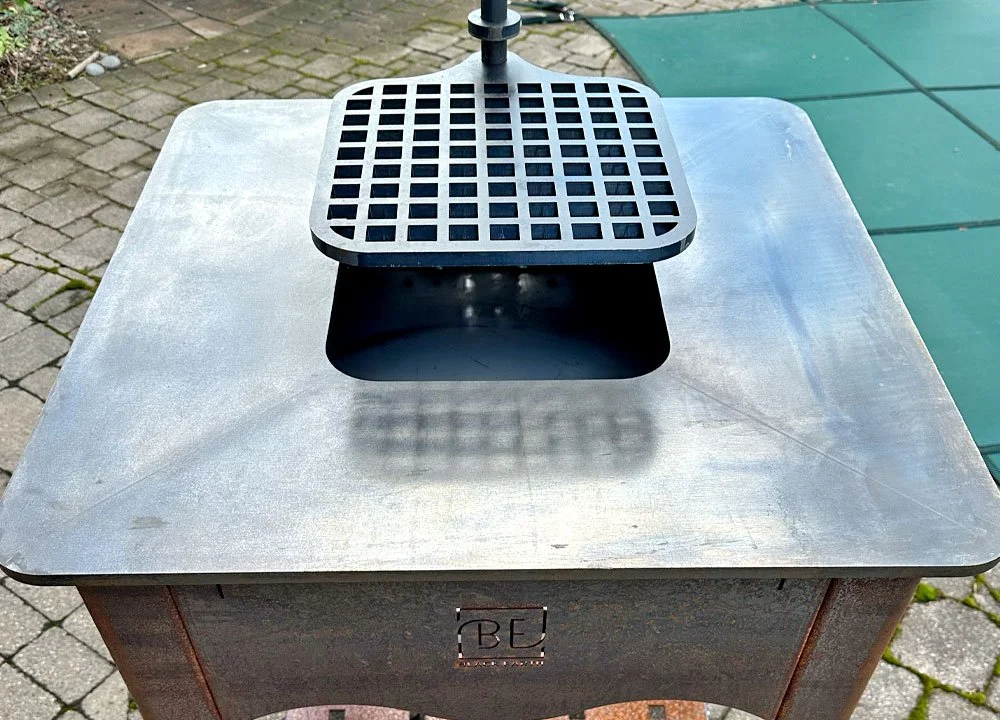
Plancha Brasero
A plancha brasero combines a flat-top cooking surface with a central fire.
Allows for cooking directly on carbon steel or steel while managing a live fire underneath
Ideal for high-heat searing, browning vegetables, and shared cooking experiences (among many other things)
Blends social cooking with culinary performance
Brick & Wood-Fired Ovens
Brick ovens use multiple modes of heat that come from burning wood to cook at extremely high temperatures, or moderate low temperatures. They are far more flexible than many people realize.
Essential for pizza and bread
Provides radiant and convective heat
Imparts unmistakable wood-fired flavour
Of course, there are many more styles of live-fire cooking rigs, many of which are covered in detail in the Foundations in Fire course.
Why Live-Fire Cooking Matters
Live-fire cooking isn’t just about flavour: it’s about control, creativity, and connection.
Flavour: Real combustion produces complex tastes you can’t get with gas grills or pellets
Skill: You actively manage fire, airflow, and timing
Experience: It turns cooking into an immersive, engaging process
In a world of convenience, digital screens, buttons and dials, live-fire cooking stands apart because it demands participation (and rewards the effort).
Live-Fire Cooking in Canada and Around the Globe: A Growing Movement
Live-fire cooking is gaining serious traction just about everywhere I look (in some places, like some South American countries, it has long been a staple). From backyard barbecuers to professional chefs, more people are rediscovering the power of cooking with real fire.
At SmokeFireGrill.ca and NorthernBarbecue.com, I focus on helping people understand not just how to cook over fire—but how to think about it. Because once you understand fire, everything changes.
Master the Fire, Master the Food
Live-fire cooking isn’t overly complicated, but it is intentional and does require a set of skills and knowledge.
Start with good fuel. Learn how fire behaves. Respect the process.
And most importantly, cook often.
Because the more time you spend with fire, the more it teaches you.
By Mike Belobradic
Founder of the Northern Barbecue™ Method of Live-Fire Cooking Courses
Visit the shop for Smoke Fire Grill barbecue gear.